





























The Joyful Tradition of Caroling in the Philippines
Caroling is a Christmas tradition in the Philippines that brings families and communities together. Whether you grew up experiencing it or now watch it from afar, it evokes deep nostalgia for the warmth and joy of a Filipino Christmas.
The Nostalgia and Warmth of Caroling in the Philippines
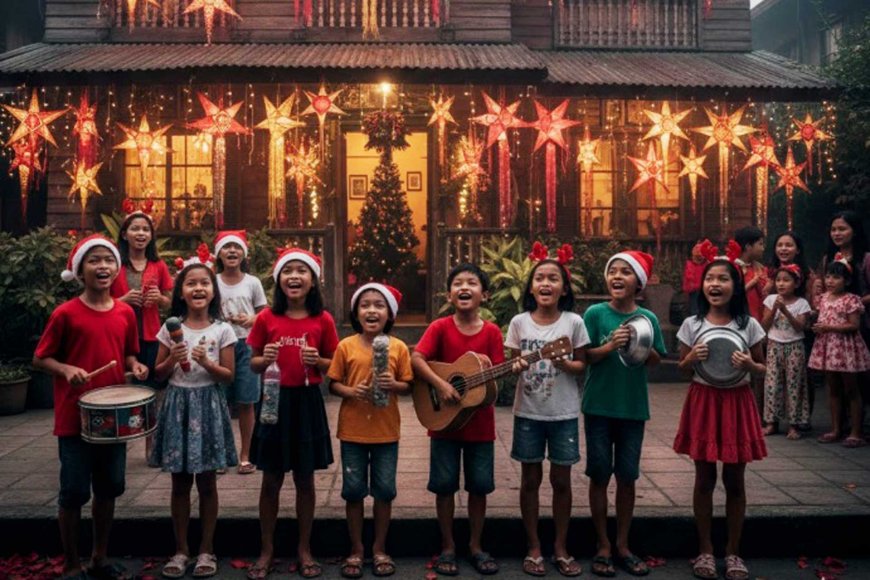
Caroling, a beloved tradition in the Philippines, has long been associated with the festive spirit of Christmas. For many Filipinos, the sight and sound of carolers ringing doorbells and singing familiar songs fill the air with joy, nostalgia, and warmth. Whether you experienced it firsthand as a child or grew up listening to stories of it, Christmas caroling is a significant part of Filipino culture, and its absence can leave a deep sense of longing for those who are now far from home.
The Tradition of Caroling
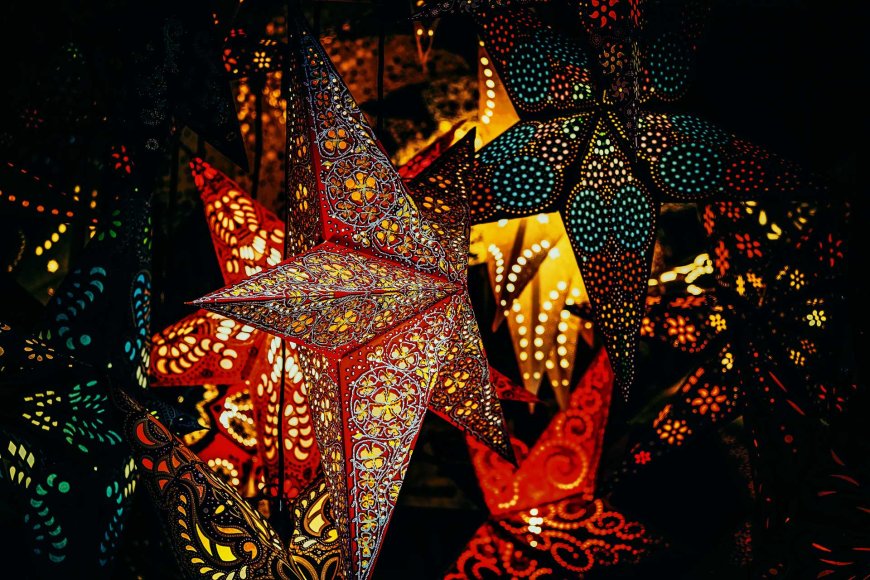
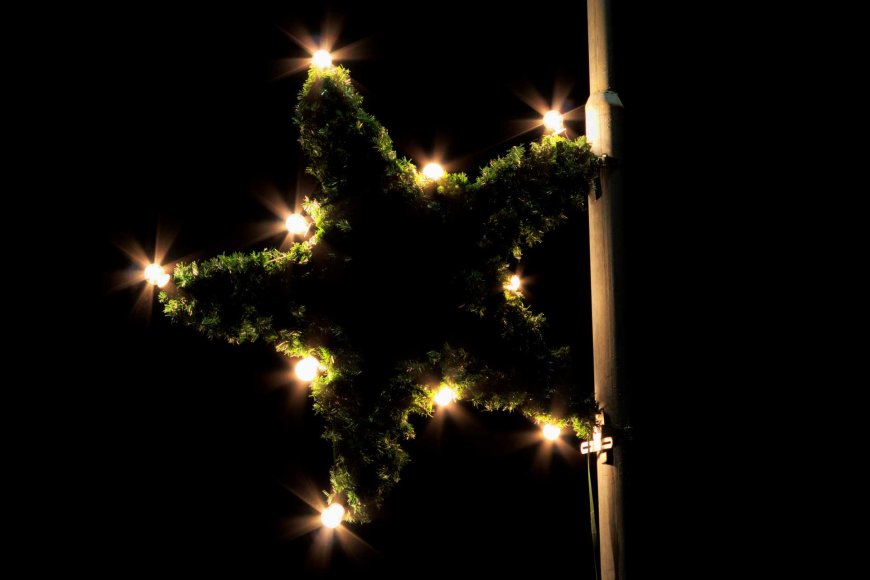
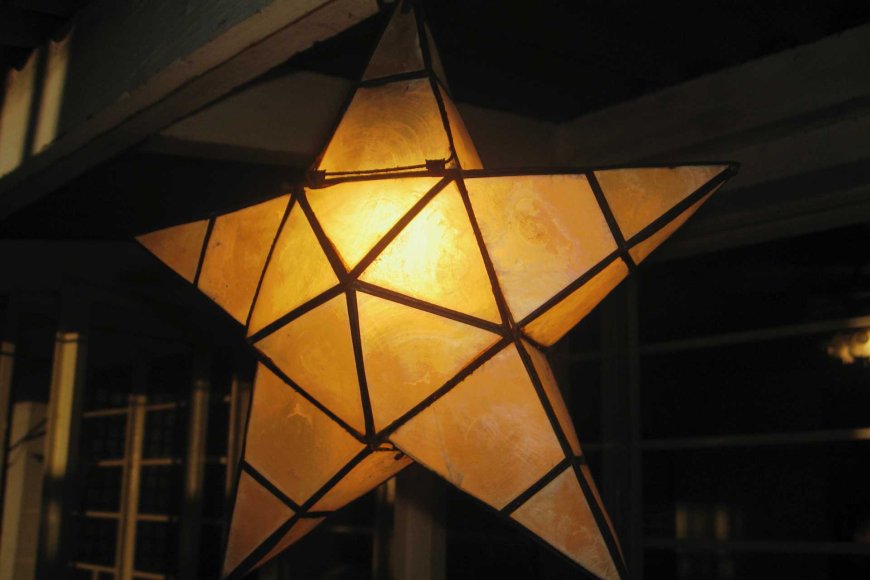
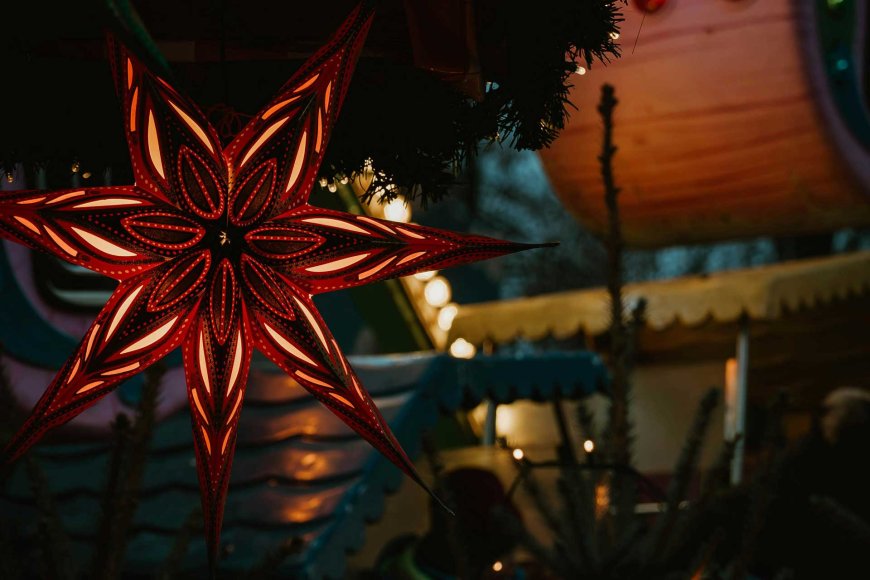
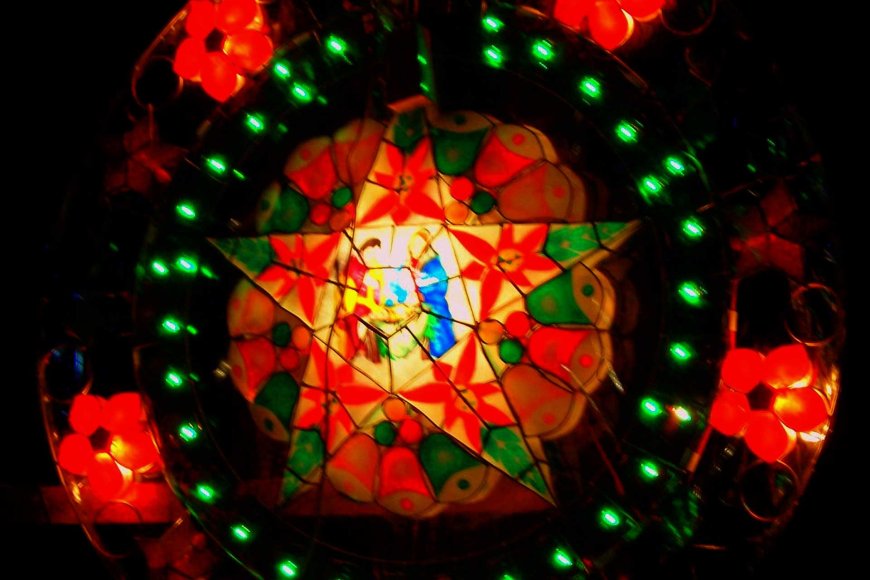
Caroling in the Philippines is not just about singing songs; it’s an integral part of how Filipinos celebrate Christmas. The season officially begins with the "ber months" (September to December), when Christmas decorations, lights, and parols (traditional star-shaped lanterns) start appearing on the streets. Caroling, however, typically kicks into full gear around the beginning of December and continues until Christmas Eve.
It is a communal tradition, where groups of children or even adults go door-to-door singing Christmas carols in exchange for small amounts of money, food, or even treats. Popular Filipino Christmas songs like "Ang Pasko Ay Sumapit," "Pasko Na Naman," and "Sa May Bahay ang Aming Bati" are often heard echoing through neighborhoods, bringing a festive atmosphere to every corner of the country.
But caroling isn’t just for the children. In many areas, families and friends join together to form their own caroling groups. This is a way to bond and spread cheer, making it an activity that transcends age. The excitement of singing songs, accompanied by the warmth of community, is truly an experience unique to the Philippines.
A Symbol of Filipino Christmas Spirit
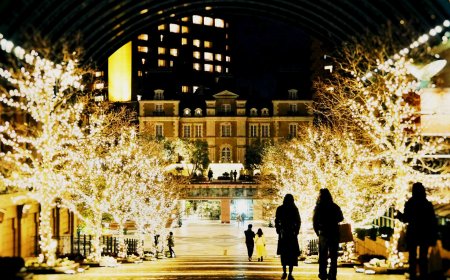
If you grew up in the Philippines, there’s a certain feeling that comes with hearing a carol being sung. The soft glow of the Christmas lights, the cold December nights, and the sweet melodies of carolers create an atmosphere that feels like home. But once you’ve moved away from the country, those familiar scenes start to fade, and the absence of Christmas caroling can be especially felt.
Living abroad, whether for work, studies, or any other reason, often brings homesickness during the Christmas season. Watching carolers on TV or seeing them in movies can trigger a wave of emotions, especially when you’re surrounded by cultures where this practice is not as widespread. The absence of this joyful tradition can make you long for the warmth and familiarity of a Filipino Christmas—where carolers, family gatherings, and the spirit of togetherness fill every moment.
This nostalgia often hits hardest when you’re surrounded by people who may not fully understand the significance of caroling in Filipino culture. For many, the holidays are marked by elaborate feasts and grand celebrations, but in the Philippines, it’s the small, simple moments—like the sound of a carol ringing out on a cool December evening—that truly capture the essence of Christmas.
Caroling Beyond the Philippines: A Shared Tradition in a Globalized World
While caroling in the Philippines is certainly unique, it’s not a tradition limited to just one country. Christmas carols are enjoyed around the world, though the customs surrounding them can vary. In other parts of the world, carolers might walk from house to house, while in the Philippines, they often form larger groups and travel through neighborhoods in a more festive, group-oriented style.
In the context of a globalized world, many Filipinos abroad have found ways to keep the tradition of caroling alive. Some organize caroling events in Filipino communities, bringing together fellow countrymen to share in the music and warmth of the season. Filipino expatriates continue to celebrate their heritage by keeping this beloved Christmas tradition alive, often using it as a way to stay connected to their roots and their homeland.
The Heartwarming Impact of Caroling
For many Filipinos, caroling is not just about the music—it’s about spreading happiness and goodwill. It’s about connecting with neighbors, strengthening bonds within the community, and teaching the younger generation about the importance of giving and sharing. As a child, the anticipation of carolers visiting your home was often as exciting as opening presents on Christmas Day.
As you grow older, however, caroling becomes something even more meaningful. The carols might remind you of loved ones who are far away or no longer with you, and they serve as a reminder of simpler times. These moments allow you to reconnect with the spirit of Christmas in the Philippines, even if you can’t physically be there. It’s a small yet powerful way of carrying forward the values of family, community, and joy, no matter where you are in the world.
A Tradition That Transcends Time and Distance
Caroling in the Philippines is more than just a holiday activity—it is a tradition that embodies the heart and soul of Filipino Christmas celebrations. Whether you experienced it as a child or find yourself reflecting on the sounds of familiar songs as an adult, the essence of caroling will always be tied to the memories and feelings of home. It’s a practice that transcends time, distance, and generations, reminding us that no matter where we are, the spirit of Christmas is alive in the songs we sing and the joy we share with others.
Nipino.com is committed to providing you with accurate and genuine content. Let us know your opinion by clicking HERE.