







































Kagura in Japan: Preserving the Sacred Dance of the Gods
The ancient tradition of Kagura in Japan—where dance, music, and myth converge in a captivating cultural experience.

The Spirit of Kagura
Kagura (神楽), which literally means "entertainment of the gods," is one of the oldest performing arts in Japan. Rooted in Shintoism, Kagura is a sacred ritual dance that connects the divine and the human, originally performed to honor the kami (Shinto gods) during festivals and shrine ceremonies.
As modern Japan continues to evolve, Kagura remains a vibrant and spiritual tradition, bridging the ancient with the present through storytelling, movement, and music.
The Origins of Kagura: A Dance of Divine Legends
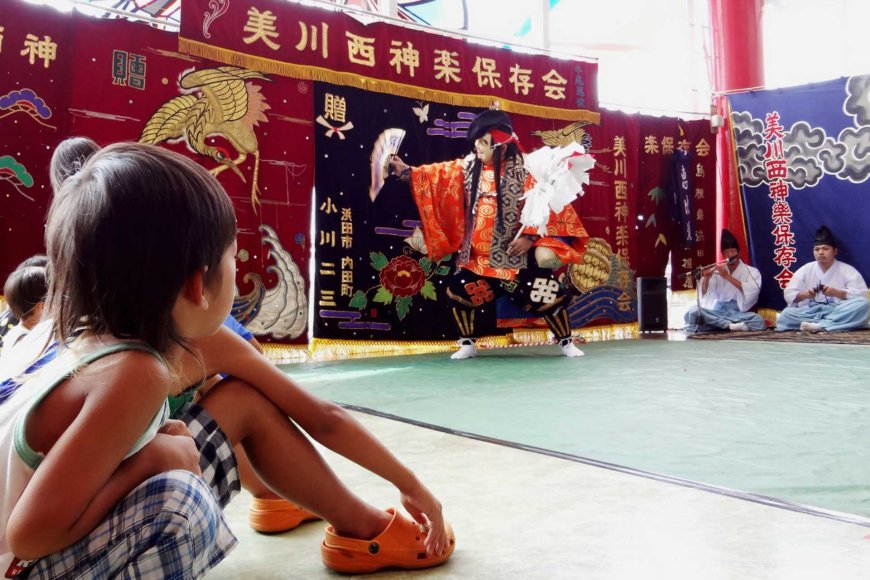
Kagura is said to have originated from the myth of the sun goddess Amaterasu, who hid in a cave, plunging the world into darkness. To lure her out, the goddess Ame-no-Uzume danced playfully, causing laughter among the gods and eventually coaxing Amaterasu to emerge, restoring light to the world.
This mythical story forms the foundation of Kagura's spiritual and celebratory essence, and many performances reenact this legendary tale through expressive gestures and masked dance.
Types of Kagura: From Court to Village Shrines
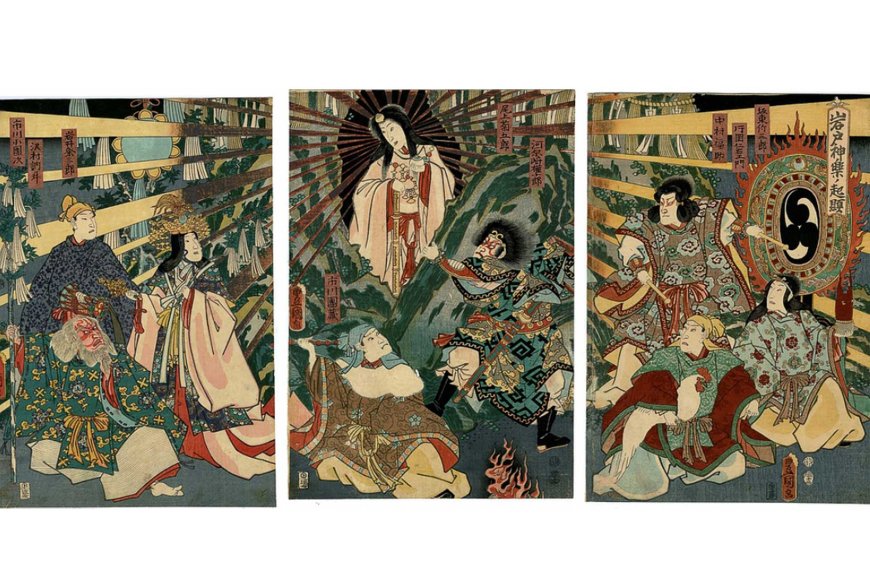
There are two main types of Kagura: Mikagura and Satokagura.
- Mikagura (御神楽) is the courtly version performed in imperial and major Shinto shrine ceremonies. It is formal, elegant, and features slow, solemn movements accompanied by classical instruments like the sho, hichiriki, and koto.
- Satokagura (里神楽), or "village Kagura," is more dynamic and often incorporates folk elements. These local versions are usually performed during seasonal festivals and can vary significantly between regions, featuring vibrant masks, comedic skits, and acrobatic dance.
Each style preserves the sacred purpose of Kagura while reflecting the distinct flavor of the local community.
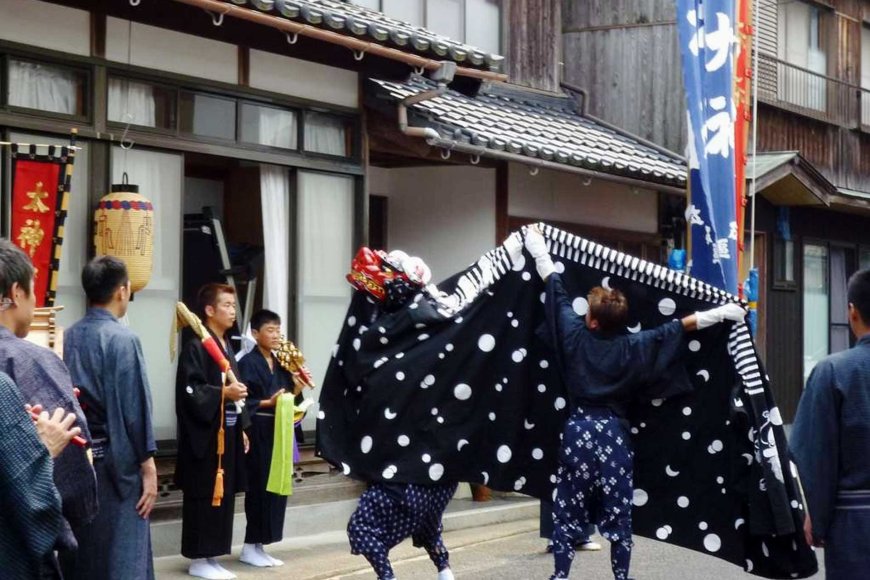
Music and Instruments: The Sound of the Sacred
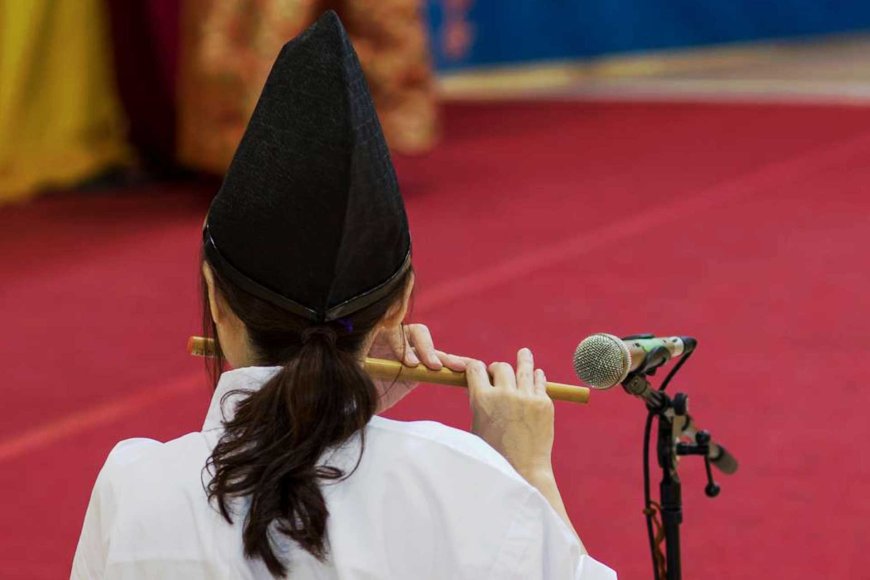
Kagura performances are accompanied by traditional Japanese instruments, which help set the mystical atmosphere. Common instruments include:
- Taiko drums – Provide powerful rhythms and symbolize the heartbeat of the ritual.
- Flutes (fue) – Add a haunting, melodic tone.
- Cymbals and bells – Used to call and welcome the gods.
The music plays a vital role, not only as background but as a spiritual element that channels divine energy into the performance.
Costumes and Masks: Embodying Gods and Spirits
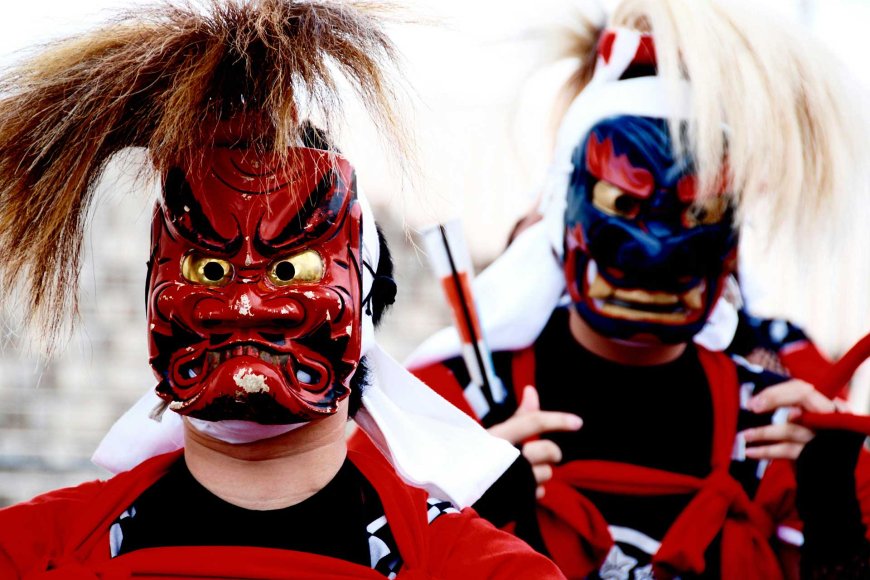
Performers often wear elaborate costumes and masks representing deities, demons, or mythical heroes. These masks help transform the dancer into a spiritual vessel, allowing the performer to embody the divine being they represent.
The costumes are colorful and flowing, designed to enhance the gestures and movements. In some regional versions, masks may even include moving parts or oversized features for theatrical effect.
Regional Variations: A Cultural Mosaic
Kagura in Japan is not uniform—it changes dramatically across regions. For example:
- Iwami Kagura in Shimane Prefecture is known for its fast-paced, theatrical performances with dramatic storytelling and large serpent masks.
- Hiroshima Kagura is popular in Western Japan and features modern lighting and elaborate props.
- Takamagahara Kagura in Miyazaki Prefecture reflects the mythological roots of Shinto and is closely tied to the origin stories of the gods.
Each regional version keeps the tradition alive while introducing creative innovations that make it accessible and exciting to contemporary audiences.
Kagura Today: A Living Tradition
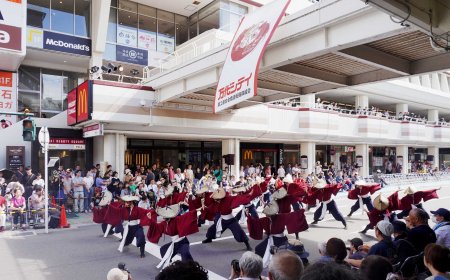
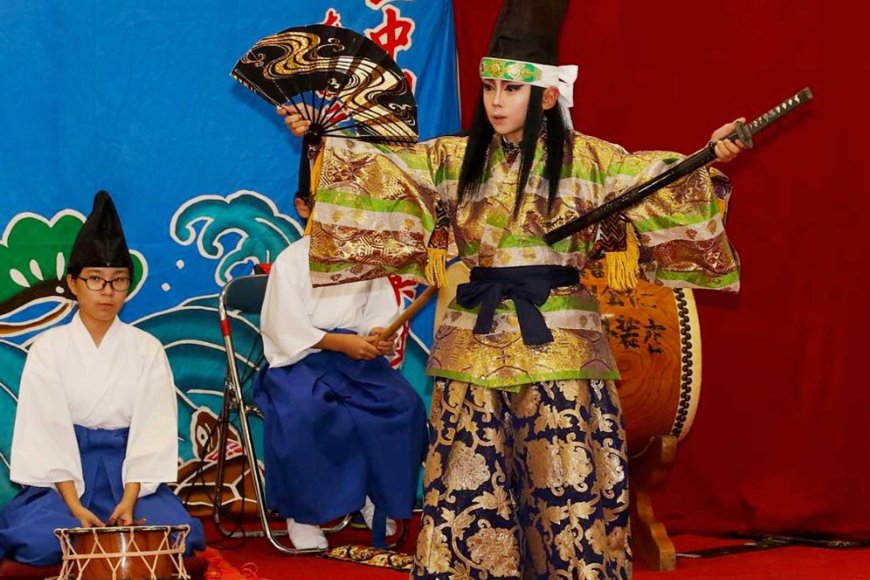
While deeply traditional, Kagura is not just a relic of the past. Today, it is performed not only in shrines but also in community centers, theaters, and cultural festivals. It serves as a cultural bridge—educating younger generations, attracting tourists, and reminding Japanese people of their spiritual and cultural identity.
Organizations and local governments actively promote Kagura to preserve this art form, often involving schoolchildren and volunteers in learning and performing.

Watching Kagura: Where and How
To experience Kagura firsthand, you can visit shrine festivals such as:
- Yuzuriha Shrine Festival (Shimane)
- Hibayama Kagura Festival (Hiroshima)
- Amano-Iwato Shrine ceremonies (Miyazaki)
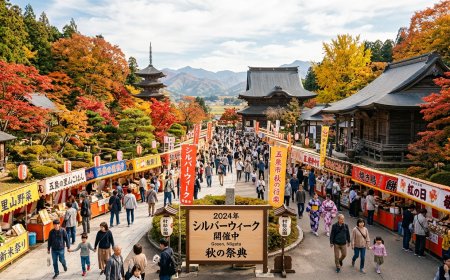
Many performances are held during matsuri (festivals), especially in autumn, when harvest celebrations coincide with Shinto rituals. Foreign visitors are welcome, and some events even include English explanations to help audiences appreciate the cultural and spiritual significance of each dance.
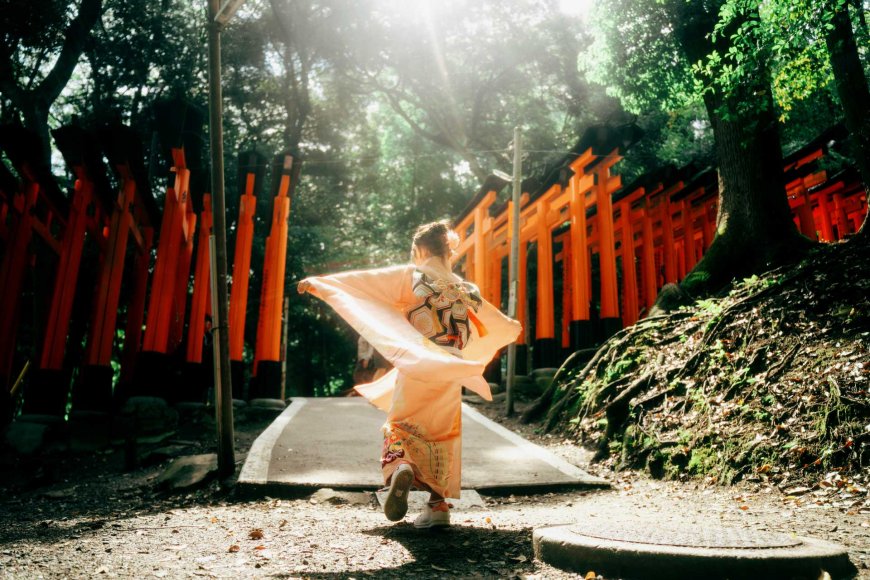
The Timeless Echo of the Gods
Kagura in Japan is more than performance—it's a living spiritual dialogue that continues to evolve while honoring centuries-old traditions. As a sacred dance born from myth, its rhythms and gestures echo the timeless relationship between nature, community, and the divine.
Whether you're a cultural enthusiast, a spiritual seeker, or a curious traveler, witnessing Kagura is a rare and moving glimpse into Japan’s soul.
Nipino.com is committed to providing you with accurate and genuine content. Let us know your opinion by clicking HERE.