




































Guide to Transportation in Japan: Trains, Buses, IC Cards & More
Transportation in Japan is clean, reliable, and incredibly convenient—but it can feel confusing at first because different train lines, IC cards, tickets, buses, and passes work together like one big puzzle. This guide explains how to use trains, buses, IC cards, commuter passes, taxis, bicycles, and travel passes so foreigners can move around Japan with confidence.
Why Japan’s Transportation System Is So Convenient
Japan’s transportation network works because it combines different systems into one practical daily experience. In big cities, trains and subways usually handle the main movement. In smaller cities and rural areas, buses, cars, bicycles, and walking become more important. A person living in Tokyo may not need a car at all, while someone living in rural Niigata, Akita, or parts of Kyushu may find that a car makes life much easier.
The Japan National Tourism Organization explains that Japan’s public transportation includes JR trains, subway lines, buses, taxis, ferries, and other options, and route search tools can help travelers check delays, suspensions, and connections. This is important because Japan does not have just one transportation company. It has JR companies, private railways, municipal subways, local buses, highway buses, and regional operators. They often connect smoothly, but they are not all the same company.
For daily life, this means you should think in routes, not just distance. A place may look close on the map but require two transfers. Another place may look farther away but have a direct train. Before choosing an apartment, school, or workplace, always check the actual commute during the time you will travel.
Monthly Transportation Costs in Japan (2026 Guide)
Want a smoother transition into life in Japan? Check out the Japan Starter Toolkit.
Trains in Japan: JR, Subways, and Private Railways
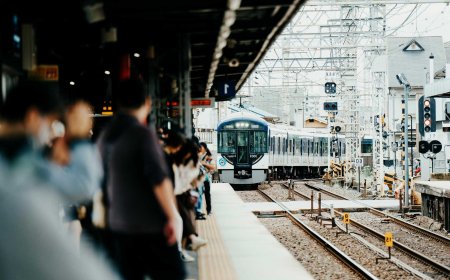
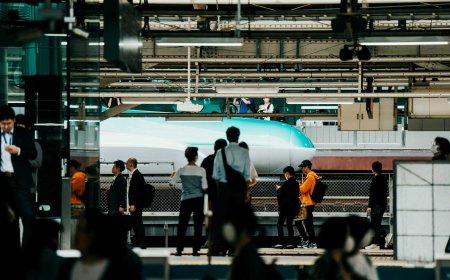
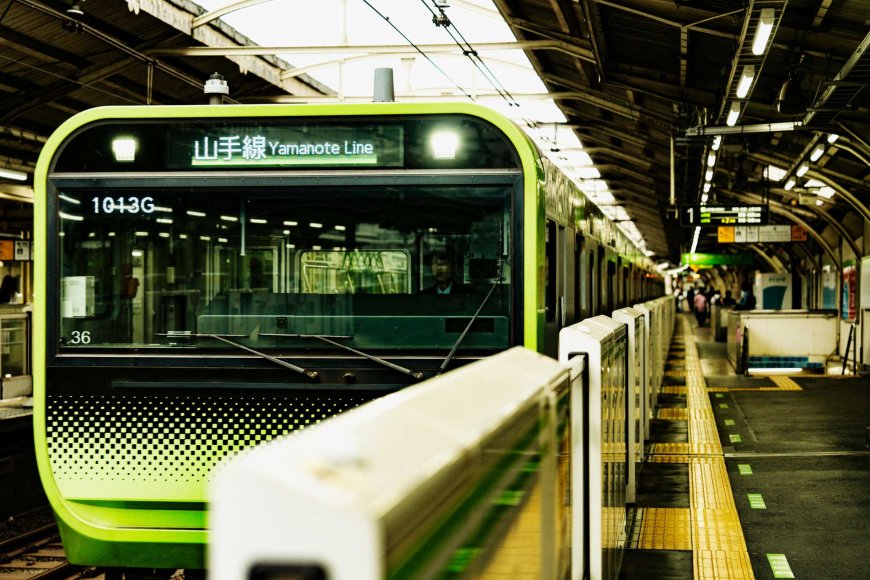
Trains are the heart of transportation in Japan. In major cities like Tokyo, Osaka, Nagoya, Kyoto, Fukuoka, and Sapporo, trains are usually the fastest and most reliable way to move around. The system includes JR lines, private railway lines, and subway lines.
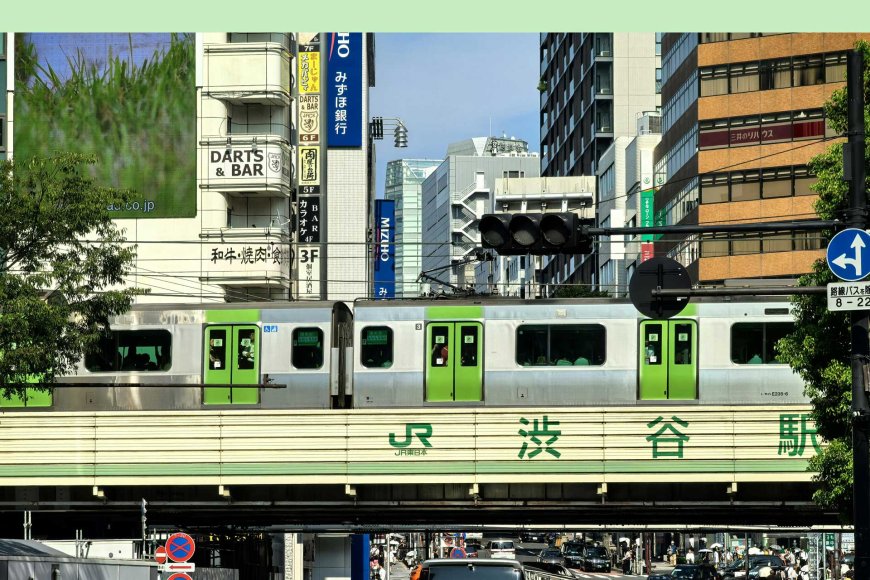
JR lines are operated by Japan Railways Group companies. These lines connect cities, suburbs, and regions. Private railways are operated by companies such as Tokyu, Tobu, Seibu, Keio, Hankyu, Kintetsu, and many others depending on the region. Subways are usually operated by city or metropolitan transport authorities, like Tokyo Metro, Toei Subway, Osaka Metro, and others.
The train type matters. A local train stops at every station. A rapid train skips some smaller stations. An express train skips even more. A limited express train may require an extra ticket. If you board the wrong type, you might pass your destination while watching it disappear through the window like a missed opportunity.
| Train Type | What It Means | Beginner Tip |
|---|---|---|
| Local | Stops at every station | Safest choice if unsure |
| Rapid | Skips some stations | Check if your station is included |
| Express | Faster, fewer stops | Useful for longer commutes |
| Limited Express | Often needs extra fare | Check before boarding |
| Shinkansen | Bullet train for long-distance travel | Requires special ticket |
A simple rule: before boarding, check both the line name and the train type. Google Maps and station signs usually show this clearly. If your app says “Local,” do not jump on an Express just because it arrives first.
How to Use Trains in Japan: Beginner’s Guide
Buses in Japan: More Useful Than Many Foreigners Expect
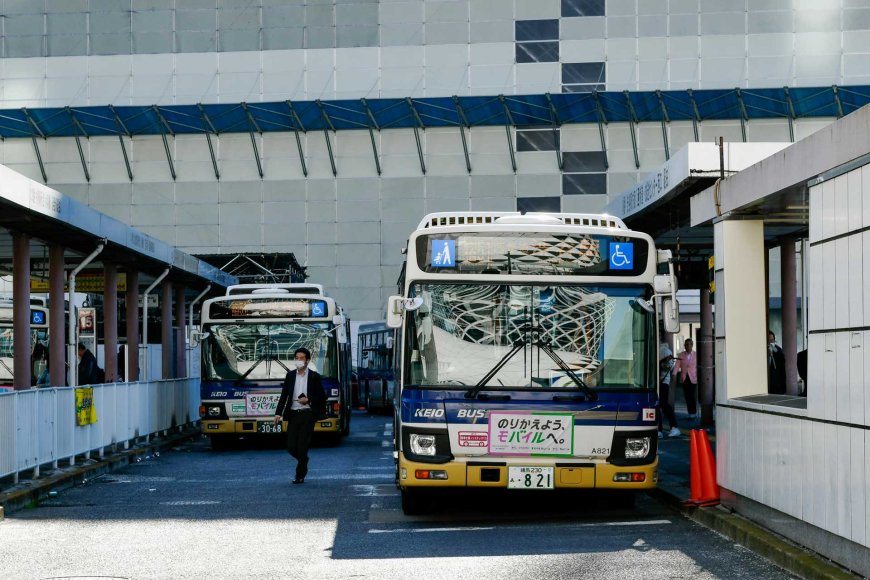
Many foreigners focus only on trains, but buses are extremely useful in Japan. In cities, buses connect residential areas, schools, hospitals, shopping centers, and government offices. In rural areas, buses may be the only public transportation option.
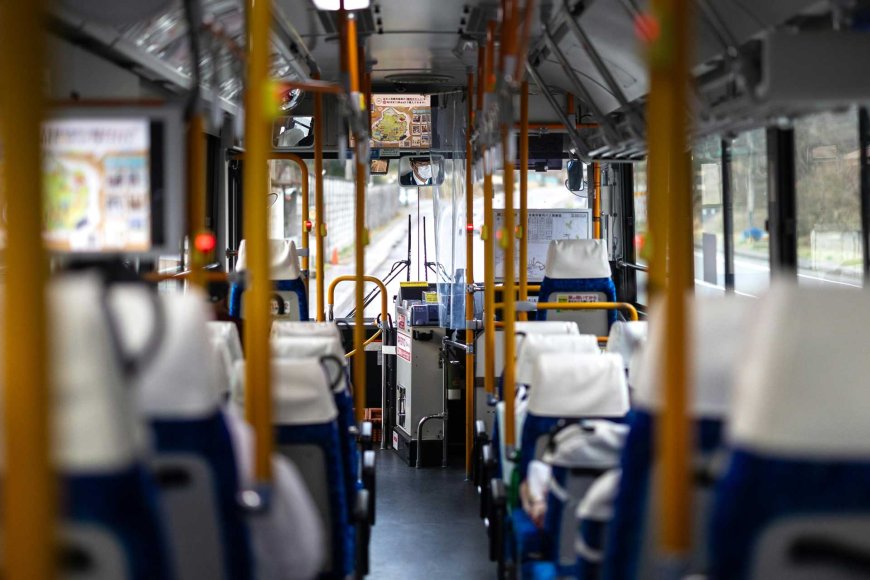
Bus payment methods vary by region. In some places, you enter from the front and pay a flat fare. In others, you enter from the back, take a numbered ticket, and pay based on distance when you exit. Many buses accept IC cards, but not all do, especially in smaller towns. JNTO notes that prepaid IC cards can be used for trains, buses, boats, and even some shopping, but availability can depend on the card and region.
When riding a bus, watch what local passengers do. That sounds simple, but it works. If everyone boards from the back, follow them. If people tap their IC card when entering and exiting, do the same. If there is a fare display at the front, check your ticket number and match it to the fare.
For new residents, buses are especially important when visiting city hall, hospitals, immigration offices, schools, and shopping areas away from train stations.
IC Cards in Japan: Suica, PASMO, ICOCA, and More
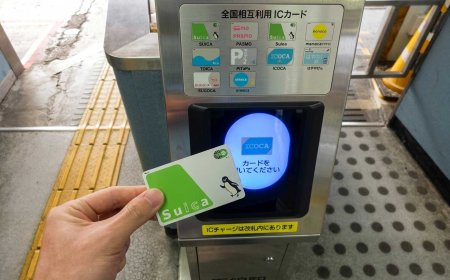
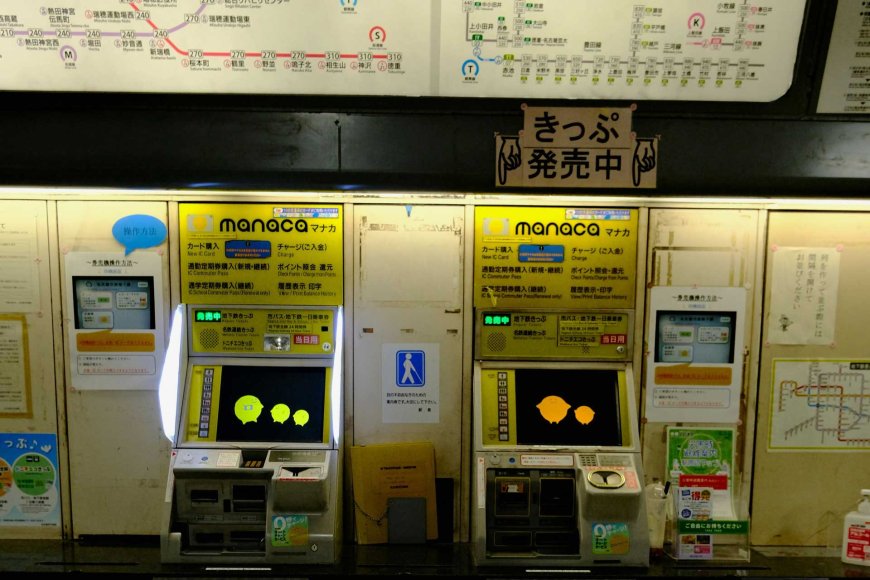
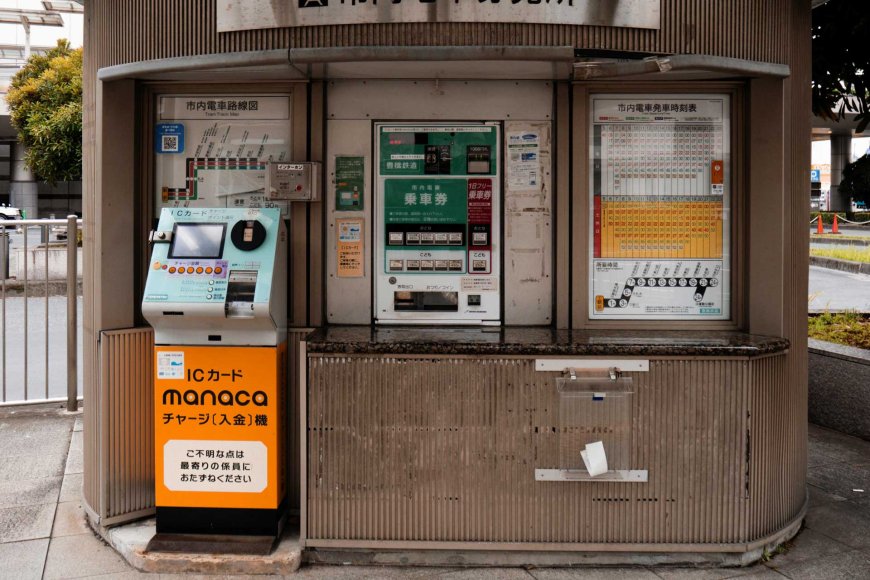
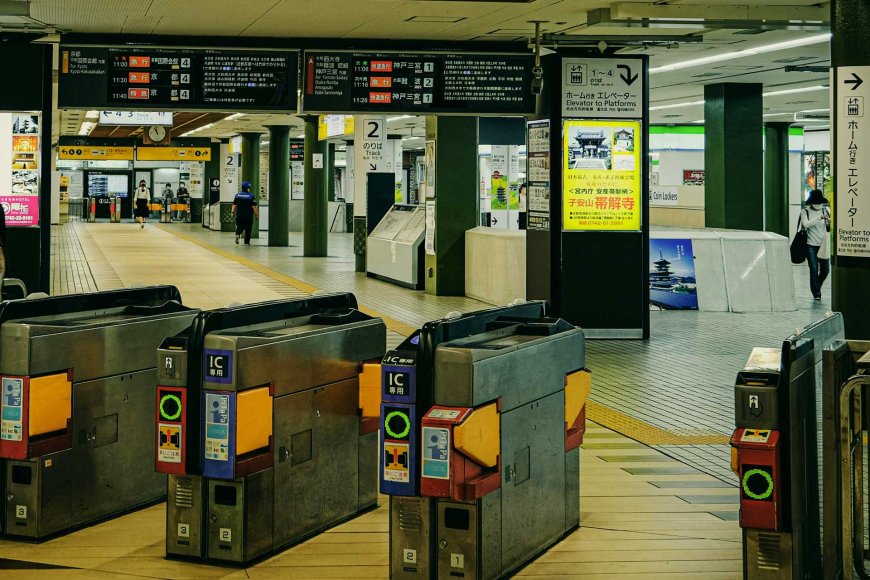
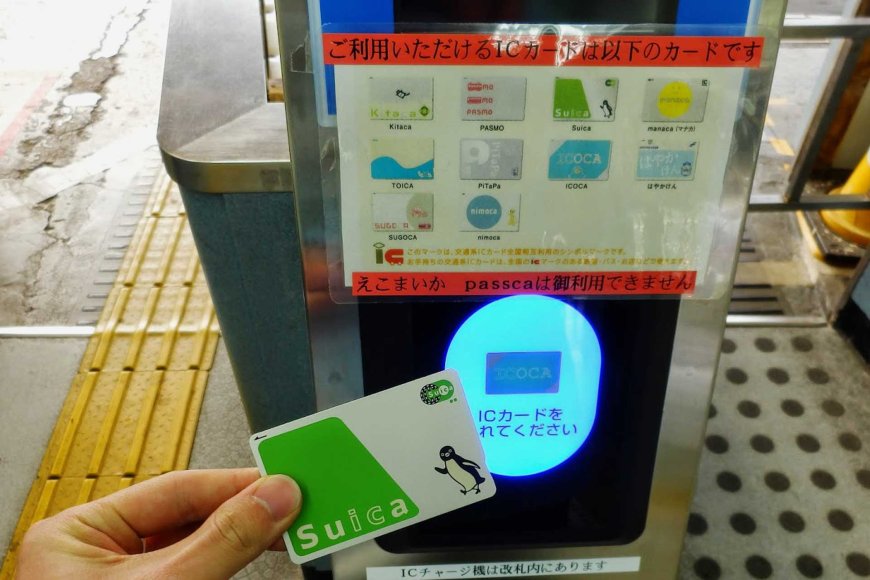
An IC card is one of the first things you should understand in Japan. It is a rechargeable prepaid card used for trains, buses, convenience stores, vending machines, lockers, some taxis, and many shops. Instead of buying a paper ticket every time, you tap the card at the gate or payment reader.
Common IC cards include Suica and PASMO in the Tokyo/Kanto area, ICOCA in western Japan, TOICA in the Tokai area, and other regional cards. JNTO explains that while different railway companies issue different cards, most major IC cards can be used across many services and cities throughout Japan.
| IC Card | Main Area | Common Use |
|---|---|---|
| Suica | JR East / Kanto | Trains, buses, shops |
| PASMO | Kanto private railways/subways | Trains, buses, shops |
| ICOCA | JR West / Kansai | Trains, buses, shops |
| TOICA | JR Central area | Trains, buses, shops |
| Welcome Suica | Visitors to Japan | Short-term travel |
JR East says Welcome Suica can be used by tapping at train ticket gates and bus sensors, with fares automatically deducted from the stored balance. JR East also now promotes Welcome Suica Mobile for iOS, which allows users to issue and top up Suica through an app for trains, buses, shopping, and more.
For residents, a mobile Suica or regular IC card can make daily life smoother. For travelers, Welcome Suica is convenient because it avoids buying paper tickets repeatedly. Just remember: for limited express trains, Green Cars, or Shinkansen, you may still need an additional ticket or seat reservation.
Suica vs PASMO vs ICOCA: Which IC Card Should You Get?
Regular Tickets, Commuter Passes, and Travel Passes
Paper tickets still exist, and you may use them if you do not have an IC card or if you are traveling outside an IC card area. Ticket machines usually have English options in major stations. You select the fare or destination, pay, receive the ticket, insert it into the ticket gate, and collect it on the other side. Do not forget to take the ticket after entering; you will need it to exit.
For daily commuters, a commuter pass can save money. This pass covers a fixed route between two stations for a set period, usually one, three, or six months. If you travel the same route to work or school almost every day, a commuter pass is often worth checking. Many employers in Japan provide transportation allowance, but rules differ by company.
For long-distance travel, the Japan Rail Pass may be useful for eligible foreign tourists, but it is not always automatically the cheapest choice. The official Japan Rail Pass site currently lists Ordinary Adult prices at ¥50,000 for 7 days, ¥80,000 for 14 days, and ¥100,000 for 21 days, while Green Car passes cost more. JNTO Canada announced that from October 1, 2026, nationwide Japan Rail Pass prices are scheduled to increase, including the Ordinary 7-day pass rising from ¥50,000 to ¥53,000.
That means travelers should calculate before buying. If you only travel from Tokyo to Kyoto and back, individual tickets may be better. If you travel across multiple regions in a short time, a pass may still save money.
How Much Does Transportation Cost in Japan?
Daily transportation costs depend on where you live and how far you travel. A short local train ride may cost only a few hundred yen. A daily commute with transfers can cost much more. Long-distance travel by Shinkansen is fast but expensive compared with highway buses.
| Transportation Type | Typical Use | Cost Feeling |
| Local train/subway | Daily city travel | Affordable per ride, adds up daily |
| Bus | Local neighborhoods, rural routes | Often affordable but slower |
| Commuter pass | Work/school route | Good value for regular travel |
| Highway bus | Intercity budget travel | Cheaper than Shinkansen |
| Shinkansen | Fast long-distance travel | Convenient but expensive |
| Taxi | Late night/emergency | Expensive for regular use |
| Bicycle | Local daily errands | Very cost-effective |
If you are budgeting for life in Japan, do not estimate transportation randomly. Search your real route. Check the train fare from your apartment to work or school. Multiply it by your travel frequency. Then ask if your employer or school provides support.
Guide to Budgeting in Japan: Cost of Living, Savings, and Expenses
Best Apps for Transportation in Japan
Apps make transportation in Japan much easier. Google Maps is useful for general routes, walking directions, platform numbers, and train times. NAVITIME is popular for detailed route searches, especially for travelers. JNTO’s official travel resources also highlight route search tools that cover trains, subways, buses, taxis, ferries, and traffic information such as delays or suspensions.
The best habit is to check the route before leaving. Japan’s stations can be huge. Tokyo Station, Shinjuku Station, Osaka Station, and Kyoto Station can feel like underground cities. Five minutes may not be enough if you need to change lines, find the right platform, and pass through a different ticket gate.
For beginners, add extra time. Japan’s trains may be punctual, but new residents are not always punctual inside complicated stations.
Best Apps for Transportation in Japan: Google Maps, Navitime, and More
Transportation Etiquette in Japan
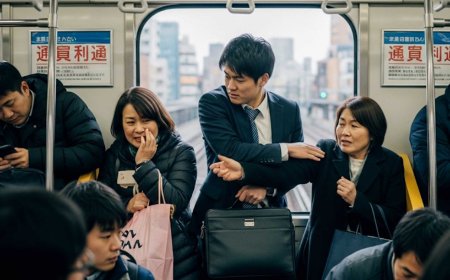
Transportation in Japan works smoothly partly because people follow unwritten rules. Trains are usually quiet. Phone calls are avoided. Priority seats are for elderly passengers, pregnant passengers, people with disabilities, and people with small children. Backpacks should be held in front during crowded times. Eating inside local trains is usually avoided, though eating on Shinkansen is normal.
On escalators, local customs vary by region. In Tokyo, people often stand on the left and walk on the right, although railway companies often encourage passengers not to walk on escalators for safety. In Osaka, people commonly stand on the right. The safest approach is simple: observe the flow and do not block others.
On buses, prepare your IC card or coins before getting off. If the bus is crowded, move toward the exit early. If you are unsure how to pay, ask the driver politely or watch other passengers.
Small manners make transportation less stressful. You do not need perfect Japanese to be respectful. A quiet voice, awareness of space, and patience go a long way.
Taxis, Bicycles, and Walking
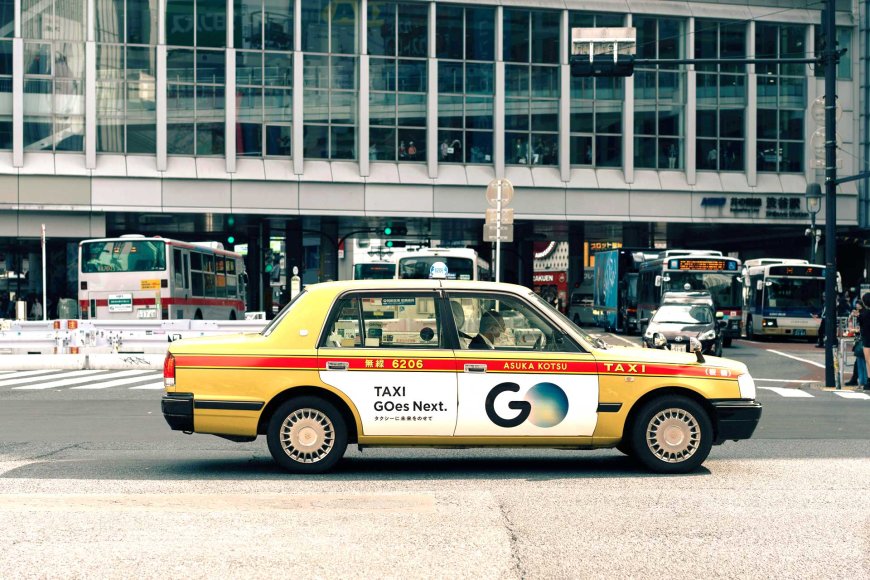
Taxis in Japan are clean and reliable, but they are not cheap. They are useful late at night, during bad weather, when carrying luggage, or when going to a hospital. Doors usually open and close automatically, so do not pull the rear door unless needed. Many taxis accept credit cards and IC cards, but smaller local taxis may still prefer cash.
Bicycles are very common, especially in regional cities and residential neighborhoods. They are excellent for saving money and reaching places that are inconvenient by train. However, bicycle rules matter. You may need to register your bicycle, park only in allowed areas, and use lights at night. Illegal parking can lead to removal and fees.
Walking is also part of transportation in Japan. Many daily routes combine train, bus, and walking. Comfortable shoes are not a luxury; they are transportation equipment.
Common Transportation Mistakes Foreigners Make
One common mistake is boarding the wrong train type. A rapid or express train may skip your station. Another mistake is assuming every IC card works everywhere. Major IC cards are widely accepted, but some rural lines and buses may still require cash or tickets.
Some foreigners also forget that train lines may be operated by different companies. Changing from JR to subway or private railway may require passing through another gate. This is normal. Your IC card handles it smoothly, but paper tickets can be confusing if you buy the wrong one.
Another mistake is underestimating last train times. In big cities, trains do not run all night. If you miss the last train, your options may be taxi, capsule hotel, karaoke room, or waiting until morning. That can turn a cheap night out into an expensive lesson.
Move Smarter, Spend Less, Stress Less
Transportation in Japan may look complicated at first, but it becomes one of the best parts of daily life once you understand it. Trains connect cities with speed. Buses reach the gaps. IC cards remove the headache of buying tickets. Apps guide your route. Bicycles help you save money. Walking keeps you connected to your neighborhood.
The secret is not memorizing everything. The secret is building simple habits: use an IC card, check the route before leaving, understand train types, prepare for transfers, respect local manners, and calculate transportation costs before choosing where to live.
When you move smarter in Japan, life becomes lighter. You arrive on time, spend less, avoid confusion, and enjoy the country with more confidence—one tap, one train, one station at a time.
Prepare Smarter, Live Better in Japan (FREE Download)
Download the First 7 Days in Japan Checklist (FREE)
Don’t guess what to do — follow a proven plan.
Download your FREE “First 7 Days in Japan Checklist” PDF now:
✔ Instant download
✔ Mobile-friendly
✔ Printable
Want the COMPLETE Version? (Premium Upgrade)
If you want a deeper, more powerful guide, there’s also a premium version available on Gumroad.
Nipino.com is committed to providing you with accurate and genuine content. Let us know your opinion by clicking HERE.