

























































Healthcare in Japan for Foreigners: Insurance, Costs, and How It Works
Healthcare in Japan is reliable, organized, and much more affordable when residents are properly enrolled in public health insurance. This guide explains how insurance works, what foreigners usually pay, how to visit clinics and hospitals, and what to prepare before medical problems happen.
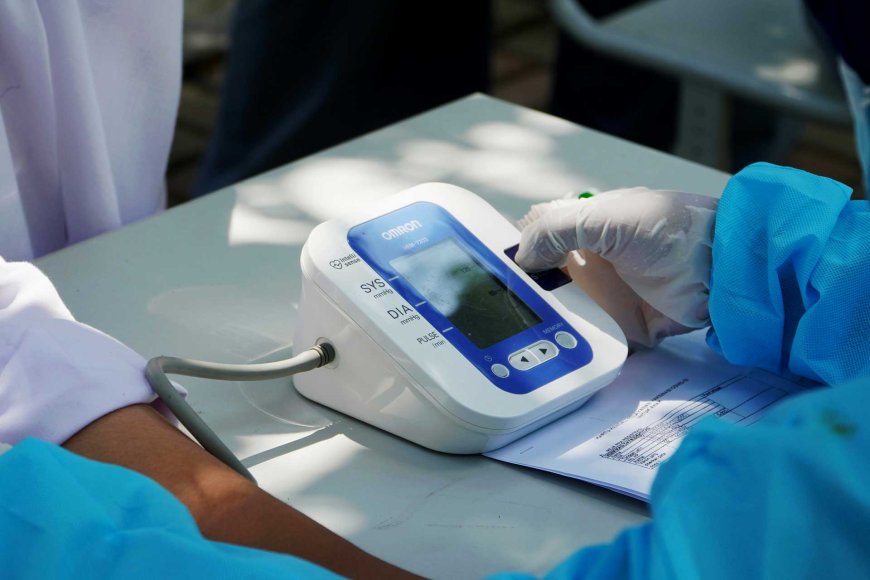
How Healthcare in Japan Works
Japan’s healthcare system is built around public health insurance. In simple terms, residents pay monthly insurance premiums, and when they visit a medical institution, insurance covers a large part of eligible medical costs. Most working-age adults usually pay 30% of covered medical expenses, while insurance covers the remaining portion. The Commonwealth Fund’s 2026 Japan profile explains that patients generally pay 10% to 30% depending on age and income, with most adults paying 30%.
This is why Japan can feel surprisingly affordable when you are insured. A clinic visit may still cost money, but the bill is usually much lighter than paying the full amount. The system also includes a High-Cost Medical Expense Benefit, which can reduce the burden if medical bills become very high in one month. Nerima City’s 2026 National Health Insurance guide explains that people who incur high medical bills due to hospitalization or other reasons may receive a partial refund under this benefit.
Japan also allows fairly free access to medical institutions. You can usually choose clinics and hospitals, although large hospitals may require referral letters or charge extra fees if you visit without one. For everyday problems, a local clinic is often the best first stop.
Want a smoother transition into life in Japan? Check out the Japan Starter Toolkit.
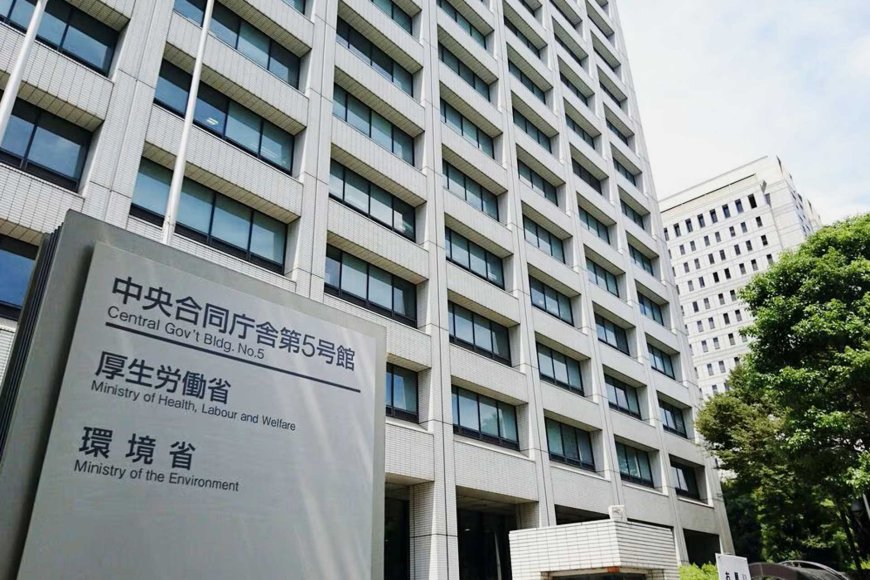
Who Must Enroll in Health Insurance?
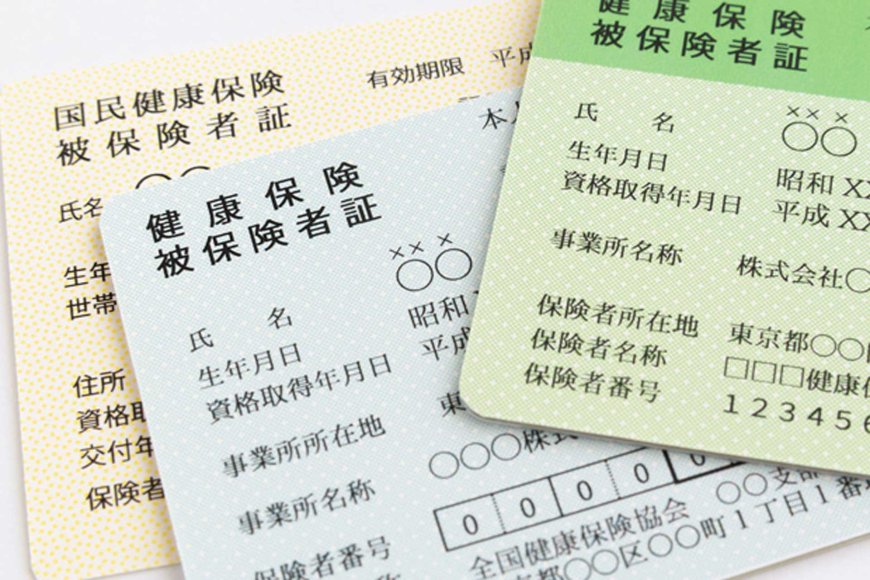
In Japan, health insurance is not something foreigners should treat casually. If you live in Japan as a registered resident, you are generally expected to be enrolled in a public health insurance system. Osaka City’s English National Health Insurance guide says that all residents of Japan, including foreign nationals, are required to enroll in a public health insurance system.
The type of insurance depends mainly on your work and residence situation. If you are a full-time employee at a company that enrolls workers in Social Insurance, your insurance is usually handled through your employer. If you are a student, freelancer, self-employed worker, unemployed resident, dependent not covered through employment insurance, or part-time worker not eligible for company insurance, you may need to enroll in National Health Insurance, often called NHI or Kokumin Kenko Hoken.
| Situation | Common Insurance Type | Where It Is Handled |
| Full-time company employee | Employee Social Insurance | Employer / payroll |
| Student staying 3+ months | National Health Insurance | City or ward office |
| Freelancer or self-employed person | National Health Insurance | City or ward office |
| Unemployed registered resident | National Health Insurance | City or ward office |
| Dependent of insured employee | Employee dependent coverage | Employer insurance system |
How to Apply for National Health Insurance in Japan: Step-by-Step
National Health Insurance in Japan
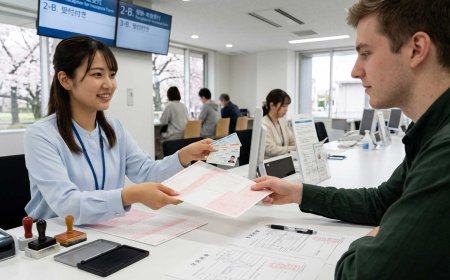
National Health Insurance, or 国民健康保険, is managed by local municipalities. That means you usually enroll at your city, ward, town, or village office after registering your address. Premiums are not exactly the same everywhere because they depend on your municipality, previous year’s income, household size, and other factors.
Toshima City’s National Health Insurance information explains that foreigners registered as residents in Japan must enroll in NHI if they are not enrolled in another public health insurance plan. This matters because some new arrivals mistakenly think they can wait until they get sick before joining. That is not how the system is meant to work. You should handle enrollment soon after moving into your city or ward.
One important budgeting point: premiums can feel low at first if you had little or no income in Japan the previous year. Later, after your income increases, your premiums may rise. This catches many foreigners by surprise. If you are building your budget for life in Japan, include health insurance as a monthly cost, not as an emergency-only expense.
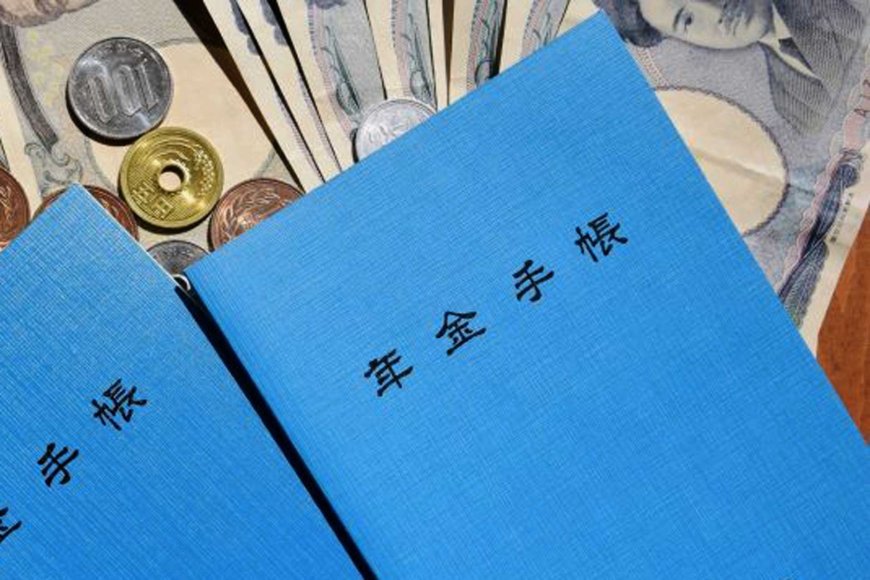
Employee Social Insurance
If you work for a Japanese company and meet the eligibility conditions, you may be enrolled in Employee Social Insurance, often called 社会保険 (Shakai hoken). This usually includes health insurance and pension. Premiums are deducted from your salary, and the employer also contributes. For many workers, this is convenient because payments happen automatically through payroll.
The advantage is that you do not need to pay separate city office bills for NHI if you are properly enrolled through your employer. The disadvantage is that salary deductions may look high when you first check your payslip. Still, those deductions are part of the structure that gives you access to healthcare coverage and pension participation.
If you are unsure whether you are enrolled, check your payslip, ask your HR department, or confirm which insurance card or My Number health insurance registration you have. Do not assume. Insurance status matters not only for medical treatment but also for long-term residence planning.
How Much Do Medical Visits Cost in Japan?
For many working-age adults, the basic rule is simple: with public insurance, you usually pay 30% of covered medical costs at the counter. Higashihiroshima City’s NHI explanation gives a clear example of copayment rates: children before elementary school pay 20%, people between 6 and 70 pay 30%, and people between 70 and 74 generally pay 20% unless they are active income earners.
Here is a simple way to imagine it. If an insured treatment costs ¥10,000 in total, the patient may pay around ¥3,000. The exact amount depends on the treatment, medicine, tests, and whether everything is covered by insurance.
| Medical Situation | With Public Insurance | Important Note |
| Regular clinic visit | Usually 30% copayment for most adults | Bring insurance card/My Number health insurance card |
| Prescription medicine | Usually 30% copayment for most adults | Paid separately at pharmacy |
| Dental treatment | Many basic treatments covered | Cosmetic treatment may not be covered |
| Hospitalization | Covered, but patient still pays part | High-cost benefit may help |
| Private room fee | Often not covered | Ask before agreeing |
| Non-covered treatment | May be full price | Confirm before treatment |
Private room charges, some advanced treatments, cosmetic procedures, certain vaccinations, medical certificates, and some preventive services may not be fully covered. Always ask before agreeing to anything expensive.
How Much Does Healthcare Cost in Japan?
What Is the High-Cost Medical Expense Benefit?
The High-Cost Medical Expense Benefit is one of the most important protections in Japan’s healthcare system. It helps reduce the financial shock when covered medical expenses become very high in a single month. Nerima City’s 2026 guide explains that high medical bills from hospitalization or other causes may qualify for a partial refund, but bills are calculated by month, and costs from different months are not simply combined.
This matters because hospital bills can still be expensive even with insurance. If you are hospitalized or scheduled for surgery, ask your city office, employer insurance provider, or hospital billing desk about the Eligibility Certificate for Ceiling-Amount Application or the current My Number-based procedure. This can reduce the amount you need to pay upfront instead of waiting for reimbursement later.
Do not wait until the last minute. If you know a big medical expense is coming, ask early.
How to Visit a Clinic or Hospital in Japan
For everyday sickness, start with a clinic. Japan has many small clinics specializing in internal medicine, pediatrics, dermatology, ENT, dentistry, ophthalmology, orthopedics, and women’s health. A large hospital is not always the best first choice unless it is an emergency or you have a referral.
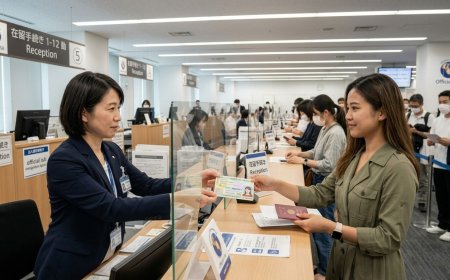
When you visit, bring your health insurance card or registered My Number health insurance card, residence card, cash or payment card, list of medicines, and any referral letter if you have one. Some clinics accept walk-ins, while others require reservations. Many still prefer phone reservations, which can be difficult for foreigners, so online booking clinics are helpful when available.
The usual flow looks like this:
| Step | What Happens |
| Reception | Submit insurance card/My Number health insurance card |
| Form | Fill out symptoms and basic information |
| Consultation | Meet the doctor |
| Tests | Blood test, X-ray, urine test, etc. if needed |
| Payment | Pay clinic bill |
| Prescription | Bring prescription to pharmacy |
| Medicine | Pay pharmacy bill and receive medicine |
If you do not speak Japanese well, prepare simple phrases or use a translation app. Write your symptoms before going. For example: “I have had fever for three days,” “I am allergic to penicillin,” or “I am pregnant.” In healthcare, clear communication is not a luxury. It is safety.
What to Do When You Get Sick in Japan: Hospitals, Clinics, Emergency
My Number Health Insurance Card
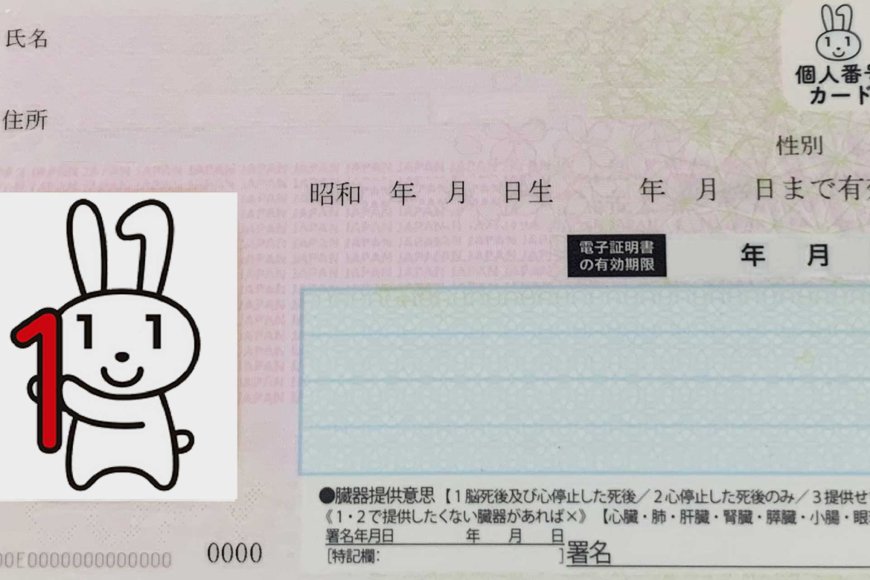
Japan has been moving toward using the My Number Card as a health insurance card. This system allows medical institutions and pharmacies to confirm insurance eligibility electronically if the card is registered and the facility supports it. Because procedures and implementation details can change, foreign residents should check with their city office, employer, or clinic about the latest accepted documents.
Even if you use My Number, keep your insurance information organized. Do not throw away official letters from your city office or employer insurance provider. Japanese paperwork may look intimidating, but those envelopes often contain payment slips, renewal notices, benefit information, or important deadlines.
What If You Are Not Enrolled?
Not being enrolled can become expensive and risky. Hospitals may charge uninsured patients the full cost, and some institutions have special rules for foreign residents without Japanese public insurance. The Japanese Red Cross Medical Center states that certain foreign residents not enrolled in Japanese public health insurance may be subject to hospitalization charges, with some exemptions such as emergencies or unavoidable circumstances.
There is also a residence-related reason to stay compliant. Recent reporting on Japan’s permanent residency rules says scrutiny has tightened around unpaid taxes and health insurance premiums for applicants. Even if you are not applying for permanent residency now, unpaid insurance and tax issues can create problems later.
The practical advice is simple: enroll properly, pay premiums on time, and keep records.
Language Barriers and English-Speaking Hospitals
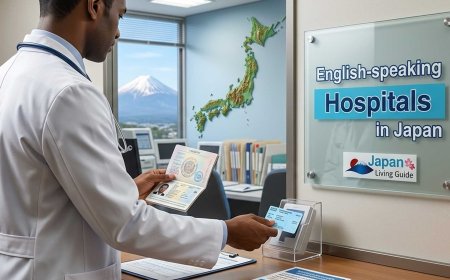
One of the hardest parts of healthcare in Japan is communication. Some doctors and staff speak English, especially in big cities, international clinics, and areas with many foreign residents. In smaller cities, English support may be limited.
If your Japanese is still basic, prepare before medical visits. Bring a friend if the clinic allows it. Use translation apps carefully. Write symptoms in simple Japanese or English. Bring medicine names from your home country. If you have allergies, chronic illness, pregnancy, mental health concerns, or past surgery history, keep a translated note on your phone.
For serious symptoms, do not avoid medical care just because your Japanese is not perfect. Your health comes first.
English-Speaking Hospitals in Japan: How to Find Them
Budgeting for Healthcare in Japan
Healthcare in Japan is more manageable when you budget for it monthly. Insurance premiums are not the only cost. You may still pay clinic fees, medicine fees, dental fees, vaccinations, medical certificates, glasses, contact lenses, and transportation to hospitals.
A basic healthcare budget for a foreign resident should include:
| Healthcare Item | Budgeting Advice |
| Monthly insurance premium | Depends on income, city, and insurance type |
| Clinic visits | Keep small emergency cash ready |
| Medicine | Prescription costs are separate from clinic bill |
| Dental care | Basic treatment may be covered, but some options are not |
| Emergency fund | Useful for hospitalization or sudden illness |
| Medical documents | Certificates may cost extra |
Complete Guide to Budgeting in Japan: Cost of Living, Savings, and Expenses
Take Care of Your Health Before Trouble Starts
Healthcare in Japan is not perfect, but it is one of the systems that can make life here safer and more stable. For foreigners, the key is preparation. Enroll in the right insurance, understand your copayment, learn where your nearest clinic is, save emergency money, and keep your documents organized.
Do not wait until you are sick to learn how everything works. Healthcare is like an umbrella—you appreciate it most when the rain suddenly starts. If you prepare now, you will feel calmer when medical problems happen later. And in a country where paperwork, language, and systems can feel overwhelming, that calmness is worth a lot.
Prepare Smarter, Live Better in Japan (FREE Download)
Download the First 7 Days in Japan Checklist (FREE)
Don’t guess what to do — follow a proven plan.
Download your FREE “First 7 Days in Japan Checklist” PDF now:
✔ Instant download
✔ Mobile-friendly
✔ Printable
Want the COMPLETE Version? (Premium Upgrade)
If you want a deeper, more powerful guide, there’s also a premium version available on Gumroad.
Nipino.com is committed to providing you with accurate and genuine content. Let us know your opinion by clicking HERE.