
































































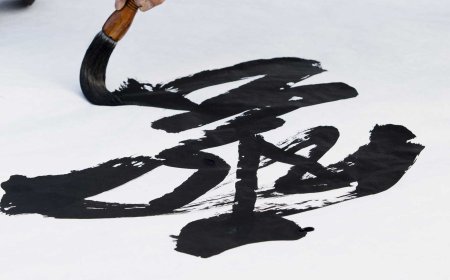








Tatami 畳: The Japanese Flooring Tradition
Tatami mats, known as 畳 in Japanese, are more than just flooring; they are a symbol of Japanese culture, tradition, and lifestyle. From samurai homes to modern apartments, tatami continues to hold a special place in Japan’s history and daily life.
The Cultural Symbol of Tatami
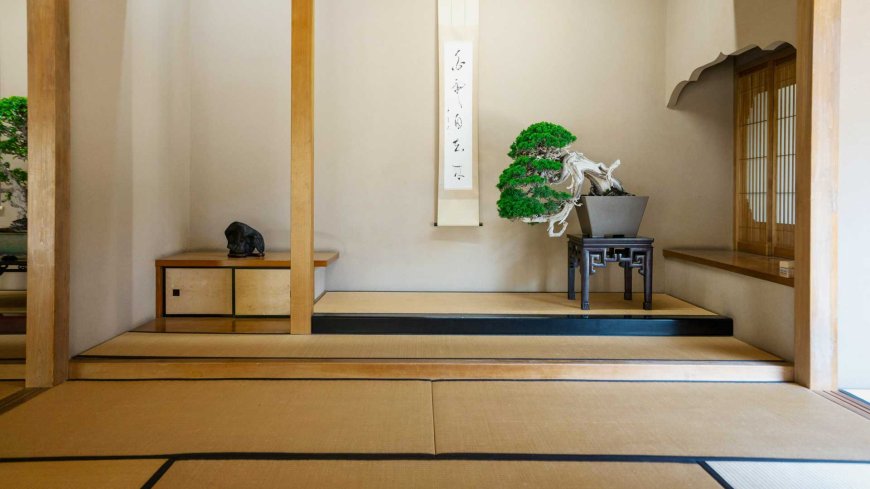
Tatami mats have long been associated with Japanese tradition, embodying simplicity, elegance, and harmony with nature. Made primarily from rice straw and rush grass, these mats are not only functional but also deeply rooted in Japanese aesthetics. The presence of tatami in a room often signifies authenticity, calmness, and a strong link to heritage.
The Origins of Tatami
Tatami originated in Japan over a thousand years ago, initially reserved for nobility and the samurai class. During the Heian period (794–1185), tatami was considered a luxury item, often placed beneath important individuals as a sign of prestige. By the Edo period (1603–1868), tatami gradually spread to common households, becoming a standard feature of Japanese homes.
Traditional Craftsmanship of Tatami
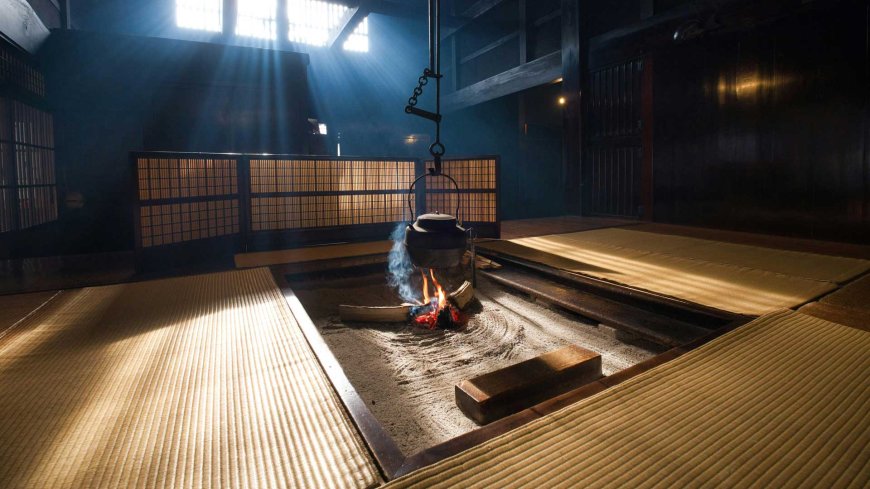
One of the most remarkable aspects of tatami is its craftsmanship. Skilled artisans weave rush grass (igusa) over rice straw cores, ensuring durability and comfort. Each mat is edged with fabric, called heri, which can range from simple designs to elaborate patterns, depending on the formality of the room. This process preserves centuries-old techniques that are passed down through generations.
Dimensions and Standardization
A tatami mat typically measures about 90 cm by 180 cm, though the exact size varies slightly depending on the region. Interestingly, tatami mats dictate the size of traditional Japanese rooms. Rooms are often measured by the number of tatami mats they can hold—for example, a six-tatami room (rokuma). This practice reflects how deeply ingrained tatami is in Japanese architecture.
Tatami in Japanese Homes Today
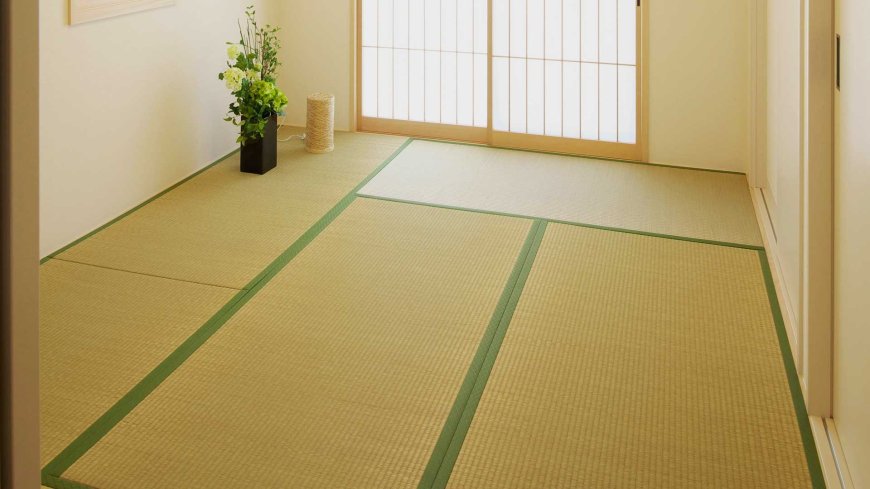
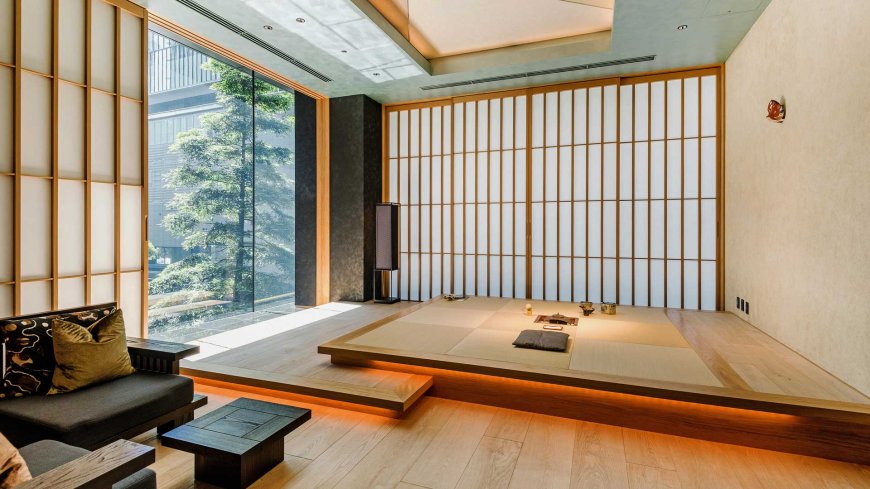
While Western-style furniture and flooring have become popular in Japan, tatami rooms, known as washitsu (和室), remain cherished spaces. These rooms often serve as multi-purpose areas for sleeping, relaxing, or hosting guests. The presence of tatami provides a natural, calming environment that promotes mindfulness and balance in daily life.
Tatami and Zen Philosophy
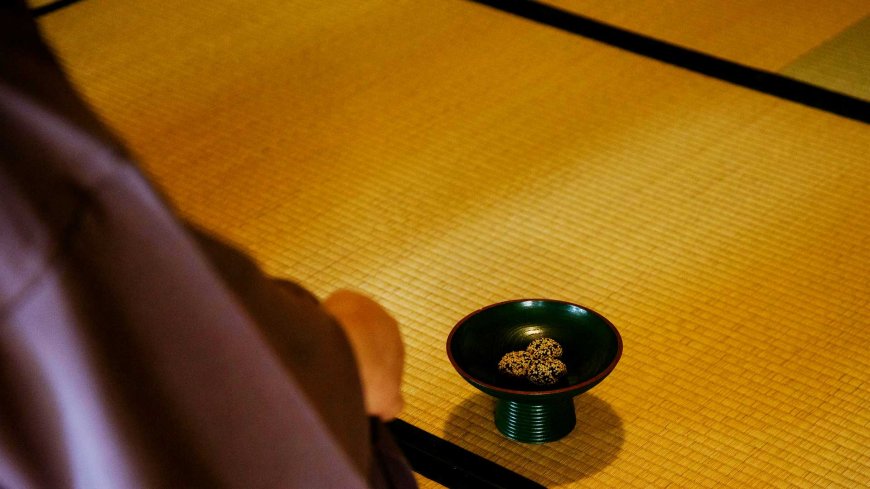
Tatami is not just flooring; it also reflects the Zen philosophy of simplicity and harmony. Its natural scent, texture, and muted colors create an atmosphere conducive to meditation and tea ceremonies. In temples and tea houses, tatami is arranged carefully to promote order and mindfulness, highlighting its cultural and spiritual significance.
The Role of Tatami in Tea Ceremony
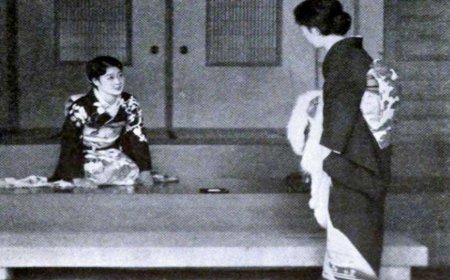
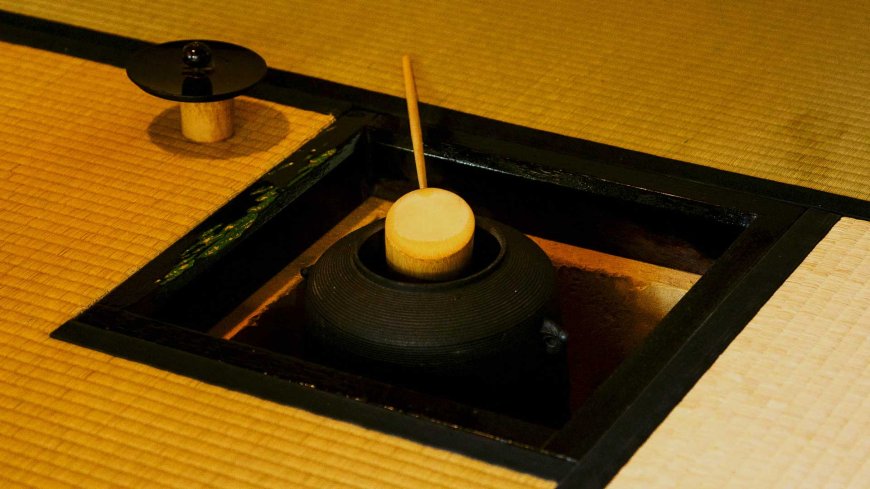
The Japanese tea ceremony, or chanoyu, is inseparable from tatami. The mats provide a neutral, humble setting that aligns with the principles of wabi-sabi—the appreciation of imperfection and transience. Every movement in the tea ceremony, from sitting to bowing, is designed with tatami in mind, making it an essential element of the ritual.
Health and Environmental Benefits
Tatami mats are eco-friendly and beneficial for health. Rush grass has natural humidity control properties, absorbing moisture in humid summers and releasing it during dry winters. Tatami also provides a soft, yet firm surface that supports healthy posture and makes sitting on the floor more comfortable. Its natural fragrance is believed to reduce stress and promote relaxation.
Maintenance and Care of Tatami
Caring for tatami requires regular attention. Direct sunlight can fade its color, while excess humidity may cause mold. Traditionally, people air out tatami by placing it outside on sunny days. Today, modern homes may use dehumidifiers to maintain tatami’s condition. With proper care, a tatami mat can last many years, maintaining its beauty and function.
Modern Innovations in Tatami
While traditional tatami is still widely used, modern innovations have introduced new versions. Some mats now use compressed wood or synthetic materials for durability and affordability. Modular tatami mats, which can be easily placed on existing flooring, are popular in apartments, allowing younger generations to experience the comfort of tatami without permanent installation.
Tatami in Global Influence
Beyond Japan, tatami has found a place in martial arts dojos worldwide. Its cushioning effect provides safety for practitioners of judo, aikido, and kendo. Similarly, interior designers outside Japan incorporate tatami-inspired elements into modern homes, blending Japanese minimalism with global styles.
The Future of Tatami
Despite modernization, tatami remains a vital part of Japanese culture. Many architects and homeowners are rediscovering its charm, blending it with contemporary design. Efforts are also being made to preserve tatami craftsmanship, ensuring that future generations continue to appreciate this unique flooring tradition.

Far More Than Simple Flooring
Tatami mats are far more than simple flooring—they are living cultural artifacts. From their historic roots in samurai estates to their modern presence in both Japanese and international spaces, tatami continues to embody harmony, tradition, and mindfulness. As Japan balances modernity with heritage, tatami stands as a timeless reminder of the beauty of simplicity and natural living.
Nipino.com is committed to providing you with accurate and genuine content. Let us know your opinion by clicking HERE.