





































Japan and the Philippines: 80 Years After World War II
Eighty years after the end of World War II, Japan and the Philippines have transformed a once-painful past into a strong alliance rooted in recovery, reconciliation, partnership, and peace. From war-torn devastation to thriving cooperation, both nations now stand as symbols of resilience and friendship in Asia.

The End of War: V-J Day and a New Beginning
On August 15, 1945, Emperor Hirohito addressed the Japanese people in a historic radio broadcast, announcing Japan’s surrender to the Allied forces. This day became known as Victory over Japan Day (V-J Day), symbolizing not just the end of World War II in Asia but also the start of a long journey toward healing and rebuilding.
While the surrender was declared in August, the formal ceremony took place on September 2, 1945, aboard the USS Missouri in Tokyo Bay. This moment marked the official conclusion of a global conflict that had caused deep scars in nations like the Philippines, which endured Japanese occupation from 1942 to 1945.
For the Philippines, V-J Day meant liberation, but it also left the country to grapple with the aftermath—ruined cities, lost lives, and a traumatized population. For Japan, it meant facing the devastation of atomic bombings in Hiroshima and Nagasaki, widespread famine, and the loss of its imperial ambitions.
 Hiroshima Peace Memorial, also called the Genbaku Dome is part of Hiroshima Peace Memorial Park in Hiroshima, Japan
Recovery: Rebuilding Nations from the Rubble
Post-war Japan entered a period of massive reconstruction under Allied occupation. Guided by a new constitution and democratic reforms, Japan shifted its focus from militarization to economic development. Within decades, it became one of the world’s leading economies—an astonishing recovery often referred to as the Japanese Economic Miracle.
In the Philippines, recovery was more challenging. The capital city of Manila was almost completely destroyed, often called the second most devastated Allied city after Warsaw. Yet, with the resilience of its people, the Philippines rebuilt its infrastructure, restored governance, and pursued economic growth in the following decades.
By the 1960s and 1970s, Japan’s rise as an economic powerhouse led to increased trade and investment in Southeast Asia, including the Philippines. Factories, technology exchanges, and development projects began to emerge—slowly transforming the two countries from wartime adversaries into economic partners.
 Capas National Shrine (Paggunita Sa Capas) is a memorial to the Filipino and American soldiers who died during World War II in Camp O'Donnell
Reconciliation: From Former Enemies to Friends
The process of Japan-Philippines reconciliation was neither quick nor easy. The wounds of the war ran deep, with survivors carrying memories of suffering, forced labor, and wartime atrocities. However, diplomatic ties were officially restored in 1956, marking the start of formal cooperation.
Japan extended war reparations and economic aid to the Philippines, which funded infrastructure projects, bridges, and schools. These acts, along with sincere gestures of apology from Japanese leaders, helped ease tensions and build trust.
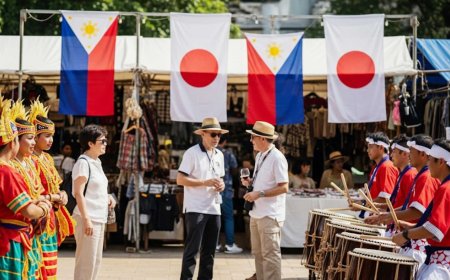
Cultural exchange programs, student scholarships, and tourism between the two countries flourished over time. The shared appreciation for each other’s cultures—Filipino warmth and Japanese discipline—became a bridge connecting the two societies.
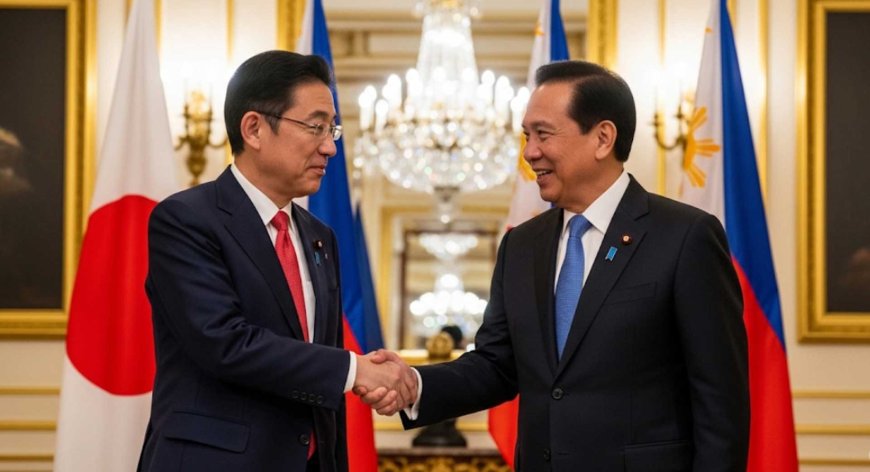
Partnership: Building a Shared Future
Today, Japan stands as one of the Philippines’ strongest economic partners. Japanese investments contribute significantly to Philippine industries such as manufacturing, infrastructure, transportation, and renewable energy.
Major projects like the MRT-3 rehabilitation, road expansions, and flood control systems in Metro Manila have been made possible through Japan International Cooperation Agency (JICA) assistance. In return, the Philippines provides Japan with skilled workers in industries such as caregiving, construction, and technology—strengthening bilateral ties.
Defense cooperation has also deepened in recent years, with joint training exercises and maritime security partnerships ensuring stability in the Asia-Pacific region. Both nations now collaborate in addressing shared challenges such as disaster preparedness, climate change, and sustainable development.
Peace: A Lasting Commitment to Stability
Eighty years after the guns fell silent, Japan and the Philippines are living examples of how former enemies can become close allies. The commitment to peace is evident in both countries’ active participation in ASEAN dialogues, United Nations peacekeeping missions, and regional conflict prevention efforts.
Annual commemorations of V-J Day in Japan and Araw ng Kagitingan (Day of Valor) in the Philippines serve as solemn reminders of the horrors of war and the value of peace. Veterans from both sides recall the bitterness of war and promote peace.
This lasting peace is also rooted in a shared vision: ensuring that the tragedies of World War II are never repeated. Education plays a key role, schools in both countries must teach the next generation about the importance of diplomacy, understanding, and cooperation.
Outlook for the Future: 100 Years of Friendship
As the 80th anniversary of V-J Day is marked in 2025, both nations reflect not only on the past but also on the future. In just 20 years, Japan and the Philippines will commemorate a full century since the end of the war—a milestone likely to be celebrated as 100 Years of Peace and Friendship.
The journey from devastation to unity serves as a global example of how nations can rise from conflict to build enduring alliances. What began as a bitter chapter in history has transformed into a powerful narrative of resilience, respect, and hope.
Nipino.com is committed to providing you with accurate and genuine content. Let us know your opinion by clicking HERE.