
























































































The Crime of Omission in the Philippine Government and Politicians
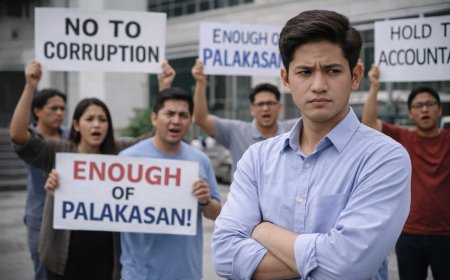
The crime of omission in the Philippine government is a silent yet destructive form of corruption where politicians fail to act in moments that demand responsibility. This negligence, whether deliberate or due to incompetence, has left the country struggling with poverty, injustice, and underdevelopment.
Understanding the Crime of Omission
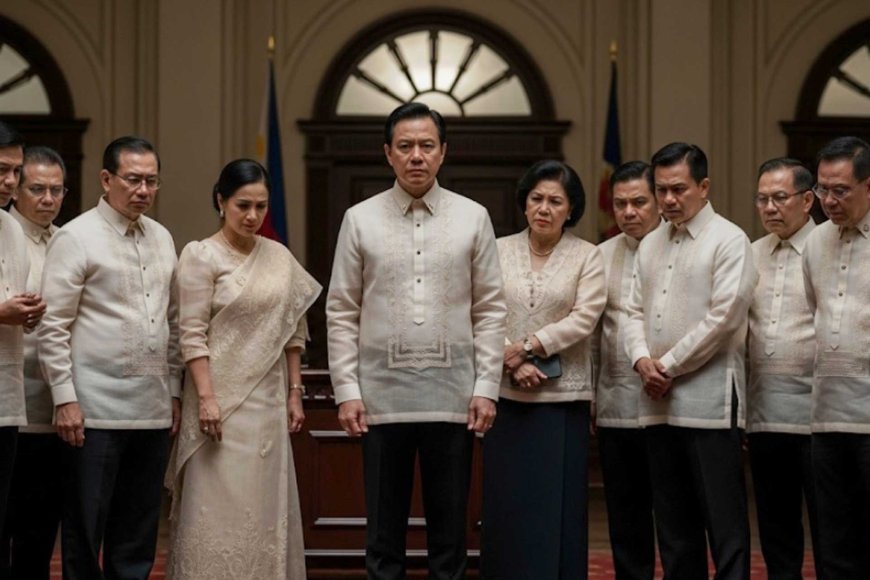
In legal and moral terms, omission is the failure to perform a duty or responsibility. In the Philippine government, this translates into politicians neglecting their sworn duties to serve the people. Unlike blatant acts of corruption such as bribery or graft, omission is more subtle but equally damaging—it is when leaders simply do nothing, allowing problems to fester.
The Constitution and public office both define responsibilities that demand action: safeguarding public funds, creating policies for national welfare, and ensuring justice and equality. Yet, too often, officials fail to act decisively in times of crisis, disaster, or corruption scandals. This inaction leaves citizens vulnerable, eroding public trust and reinforcing a culture of impunity.
Political Apathy as a Silent Killer
Political apathy is a form of omission that continues to haunt the Philippines. Instead of confronting issues like illegal drugs, environmental destruction, or worsening poverty, many leaders remain silent. Silence, in this context, is not neutrality—it is complicity.
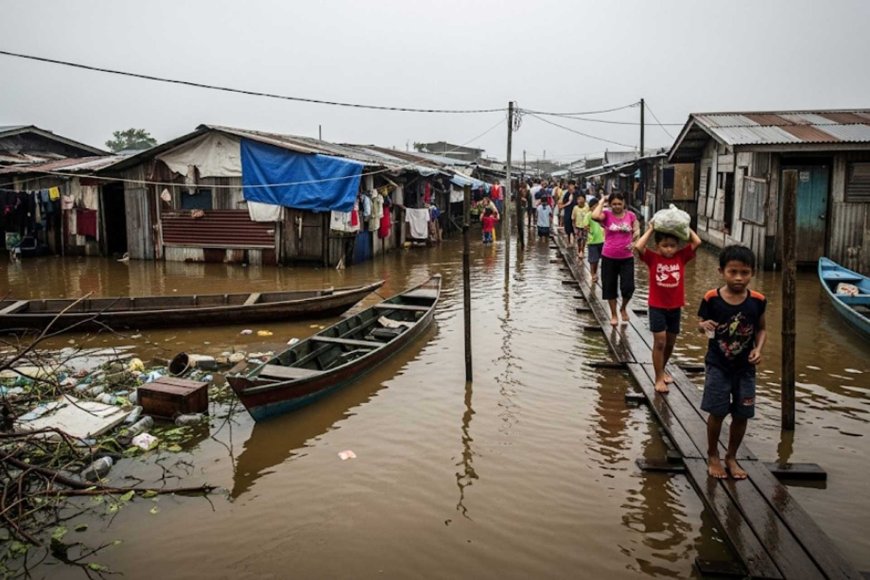
When officials ignore urgent matters, such as disaster preparedness before typhoons or the housing crisis after calamities, they betray the people who depend on them for leadership. The cost is measured not only in lost opportunities but also in lost lives. For citizens, omission feels like abandonment by the very people they entrusted with their future.

Omission and the Culture of “Pwede Na”
A deeply ingrained part of Philippine political life is the “pwede na” (that will do) mentality. This cultural trait reinforces the crime of omission, as leaders settle for mediocrity instead of striving for genuine progress.
From incomplete infrastructure projects to half-baked reforms, omission manifests in the failure to follow through. Politicians celebrate groundbreakings but rarely inaugurations. Budgets are allocated but never fully spent. This “good enough” attitude robs Filipinos of the high-quality governance they deserve and keeps the nation lagging behind its neighbors in Asia.

The Cost of Inaction in National Crises
History has shown that omission by political leaders can lead to catastrophic outcomes. During natural disasters, some government officials have delayed rescue and relief operations, prioritizing bureaucracy over urgent humanitarian needs. Similarly, during health crises, the government has often been accused of being slow to respond, costing lives and livelihoods.
When leaders fail to make timely and courageous decisions, the consequences ripple across generations. Young people inherit a broken system where inaction is normalized, and citizens learn to lower their expectations of those in power.

Omission as a Form of Corruption
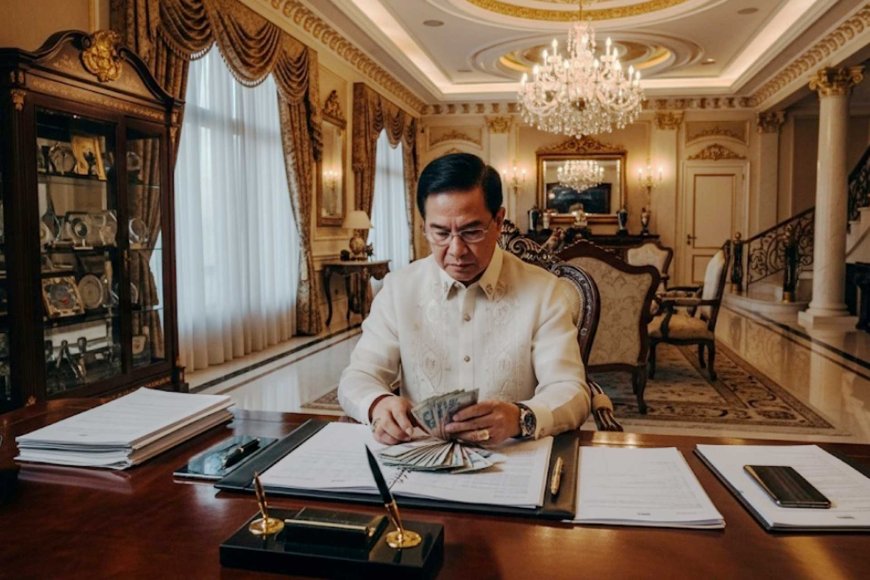
While corruption is usually defined by acts of commission—stealing public funds, fixing contracts, or abusing authority—the crime of omission is equally corrupt. Choosing not to act against wrongdoing is a betrayal of public trust. Looking the other way when cronies or political allies break the law is as corrupt as pocketing government funds.
Omission thrives in the shadows. It often goes unnoticed because it is harder to prove than active wrongdoing. Yet, its effects are visible: decaying infrastructure, inadequate public services, and the persistence of poverty despite billions in government budgets.

Political Dynasties and Perpetuated Inaction
Political dynasties in the Philippines play a major role in sustaining the culture of omission. Entrenched families secure power not by reforming the system but by maintaining the status quo. For them, omission becomes a strategy—doing nothing ensures that nothing changes, and their power remains unchallenged.
By failing to pass anti-dynasty laws despite constitutional provisions, legislators have committed one of the greatest crimes of omission in Philippine politics. They protect their own interests at the expense of democracy, denying citizens the chance to elect new, competent leaders.

Citizens as Victims of Omission
The ultimate victims of omission are ordinary Filipinos. Every time a government fails to provide decent public housing, safe roads, affordable healthcare, or quality education, citizens pay the price. Poverty remains high, inequality widens, and opportunities vanish.
This widespread neglect has created a culture where people expect less from their leaders. Many Filipinos have become resigned to the idea that government promises are empty words, further weakening civic engagement and accountability.

Breaking the Cycle of Omission
The fight against omission in government begins with awareness and accountability. Citizens must demand not only that politicians avoid corruption but also that they fulfill their responsibilities. Doing nothing is not acceptable—leaders must be pushed to act with urgency, transparency, and compassion.
Civil society, the media, and youth movements play a crucial role in breaking this cycle. Through advocacy, education, and protest, they can expose omissions and force leaders to confront their failures. The demand should be clear: public office is not about avoiding mistakes but about taking decisive action for the common good.
Accountability Beyond Action
The crime of omission in the Philippine government is a quiet but destructive force that corrodes democracy and development. Politicians may not always steal directly, but when they fail to act, they deny the nation its potential. The Philippines cannot afford leaders who choose silence over service.
True leadership is not just about avoiding wrongdoing—it is about the courage to act, even when it is difficult. Until omission is treated with the same seriousness as corruption, the cycle of neglect and mediocrity will continue to hold the nation back.
Nipino.com is committed to providing you with accurate and genuine content. Let us know your opinion by clicking HERE.