




































Why Nostalgia Hits Harder in a Foreign Land
Understanding homesickness, memory, and identity when living abroad. Nostalgia often feels stronger when a person lives far from home, magnifying memories of familiar places, people, and traditions left behind. Being in a foreign land intensifies longing for the past and how overseas Filipinos and other migrants learn to live with — and grow from — that feeling.

A Feeling That Arrives Uninvited
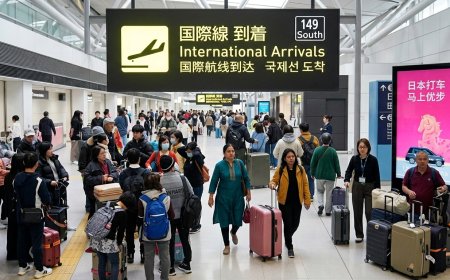
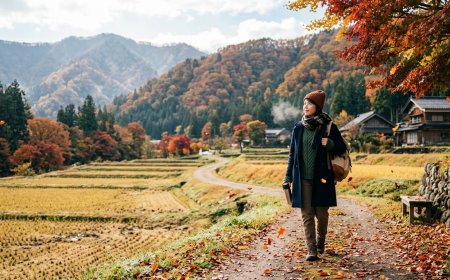
Living in a foreign country brings excitement, opportunity, and personal growth. Yet for many people abroad, especially migrants and overseas workers, there are quiet moments when nostalgia suddenly appears — triggered by a song, a smell, or even a passing thought.
Psychologists describe nostalgia as a bittersweet emotion, a mix of happiness and longing. In a foreign land, this emotion often feels sharper. Distance strips away the everyday familiarity of home, turning ordinary memories into emotional anchors. For Filipinos living overseas, nostalgia is not just missing a place — it is missing a version of themselves that existed back home.
What Is Nostalgia, Really?
Nostalgia is often mistaken for simple homesickness, but it goes deeper. It is a mental return to moments that feel safe, meaningful, and emotionally complete. These memories may involve family gatherings, childhood streets, local food, or even mundane routines that once felt ordinary.
When someone lives abroad, nostalgia becomes a coping mechanism. It offers comfort during uncertainty but can also intensify loneliness. The mind selectively remembers the warmth of the past while forgetting its difficulties, making home feel more perfect than it ever truly was.
Distance Makes Memory Louder
Physical distance changes how memory behaves. When a person is surrounded by an unfamiliar language, culture, and social rhythm, the brain searches for emotional stability. Memories of home become louder because they represent certainty.
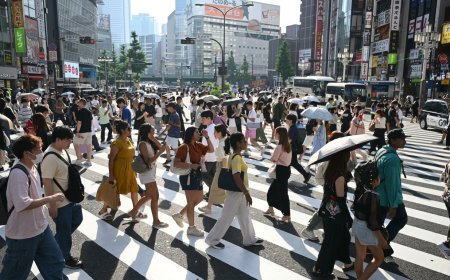
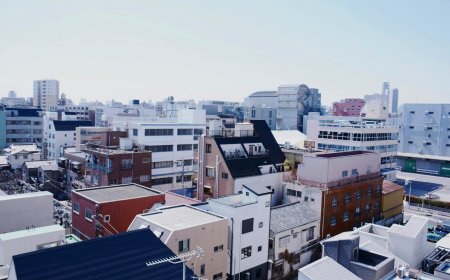
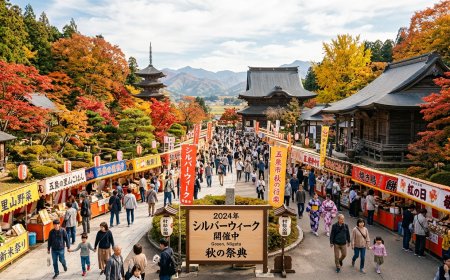
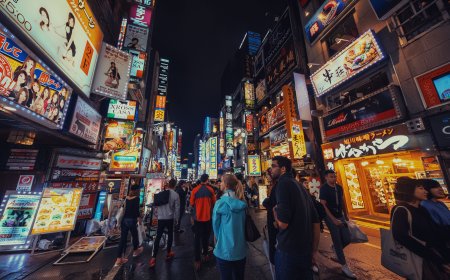
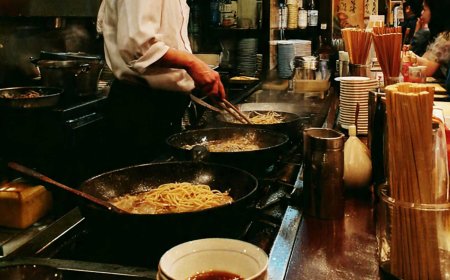
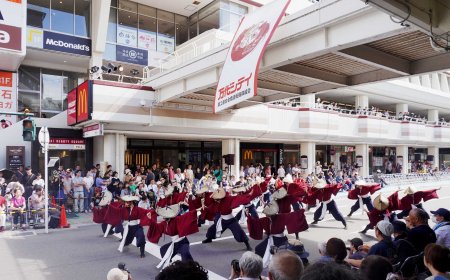
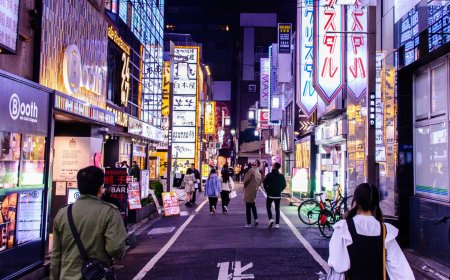
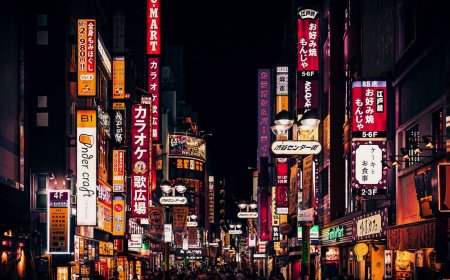
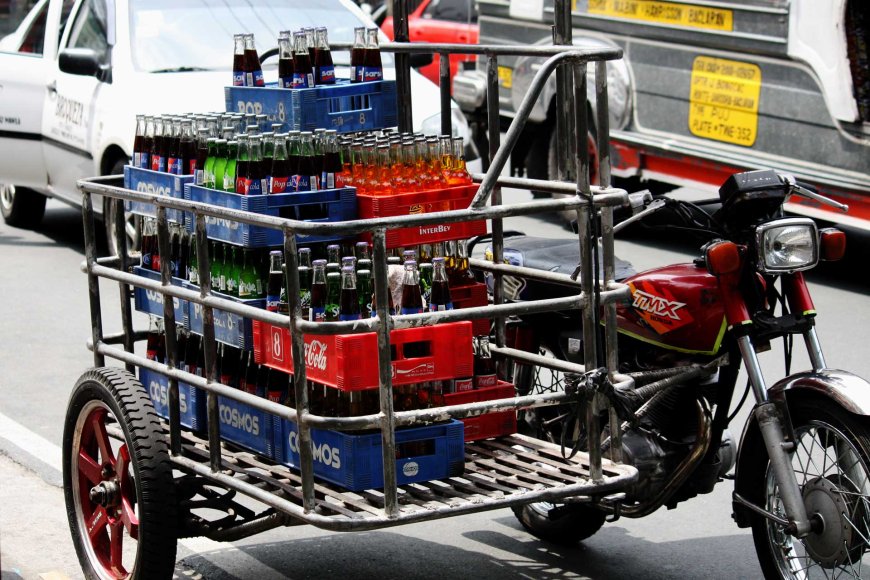
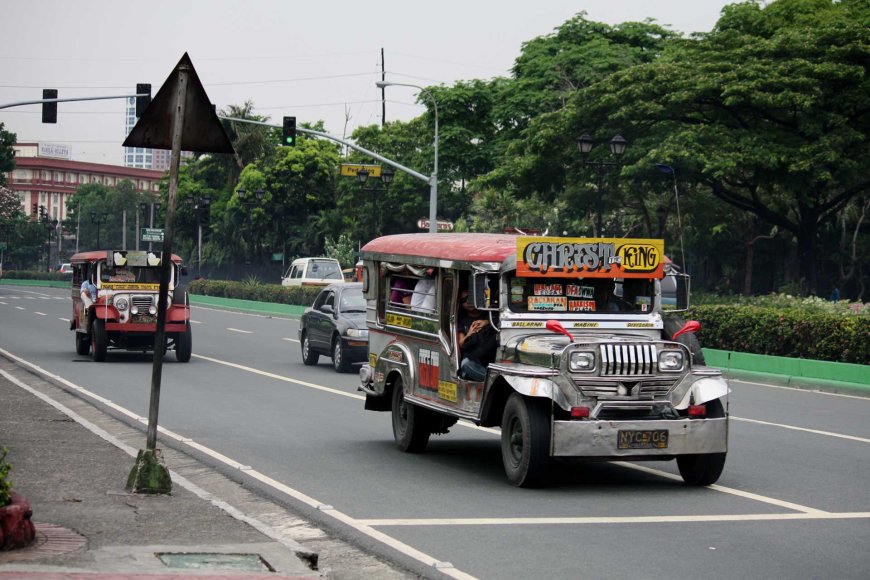
For Filipinos in Japan or other countries, even small details — the sound of tricycles, afternoon merienda, or casual conversations in Filipino — become emotionally charged. These details are no longer accessible, which gives them more power. The farther away home feels, the stronger its emotional pull becomes.
Cultural Contrast and Emotional Isolation
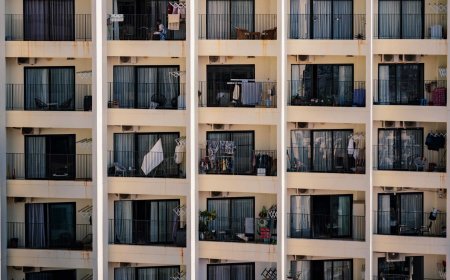
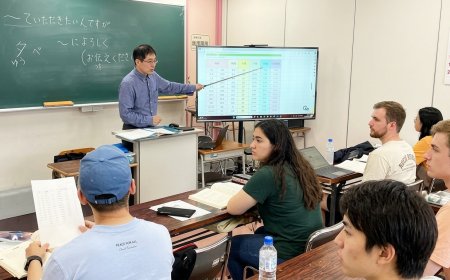
Living abroad often means adapting to new social rules and emotional expressions. In some cultures, feelings are expressed more quietly, relationships develop slowly, and personal space is valued differently. While this can be enriching, it may also create emotional gaps.
Nostalgia fills these gaps. When people feel misunderstood or emotionally distant, memories of home provide instant familiarity. For overseas Filipinos, nostalgia often centers on warmth — loud laughter, shared meals, and spontaneous connections that contrast sharply with the structured social life abroad.
Identity Split Between Two Worlds
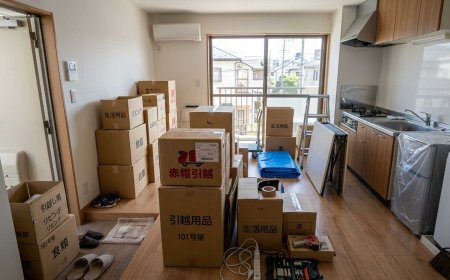
One reason nostalgia hits harder abroad is identity conflict. Migrants often live between two versions of themselves: who they were at home and who they must become overseas. The person they were before leaving — surrounded by family, speaking their native language daily — feels far away.
Nostalgia becomes a bridge between these identities. Remembering home helps preserve cultural roots, but it can also create emotional tension. The longer someone stays abroad, the more they realize that both home and self have changed — and that the past they miss may no longer exist in the same way.
Digital Connection and Modern Longing
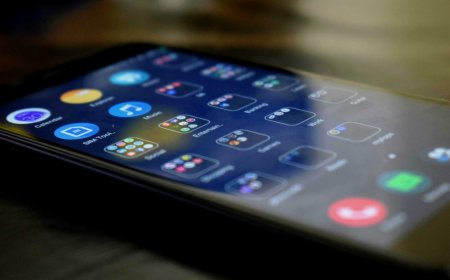
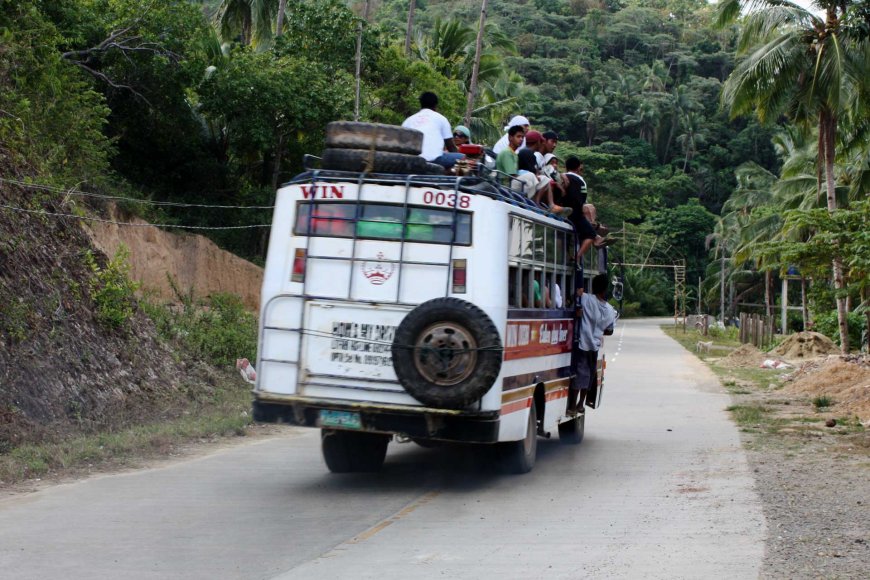
Technology allows instant communication, but it does not eliminate nostalgia. Video calls, social media, and online news keep migrants updated, yet they also remind them of what they are missing.
Seeing family celebrations online without being physically present can deepen longing. Nostalgia today is not about absence of information but absence of presence. Being able to see home without touching it makes the feeling even more complex.
When Nostalgia Becomes Growth
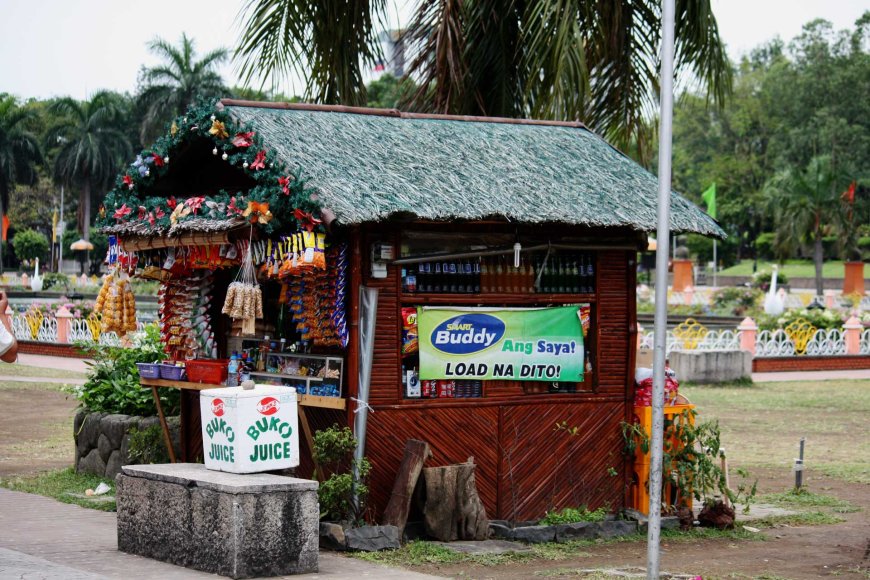
Although nostalgia can be painful, it is not purely negative. Research shows that nostalgia can strengthen resilience, reinforce personal values, and remind people why they chose to endure life abroad.
For many overseas Filipinos, nostalgia becomes motivation — a reminder of family, purpose, and sacrifice. Over time, learning to live with nostalgia helps individuals build a blended identity, one that honors the past while embracing the present.
Carrying Home While Moving Forward
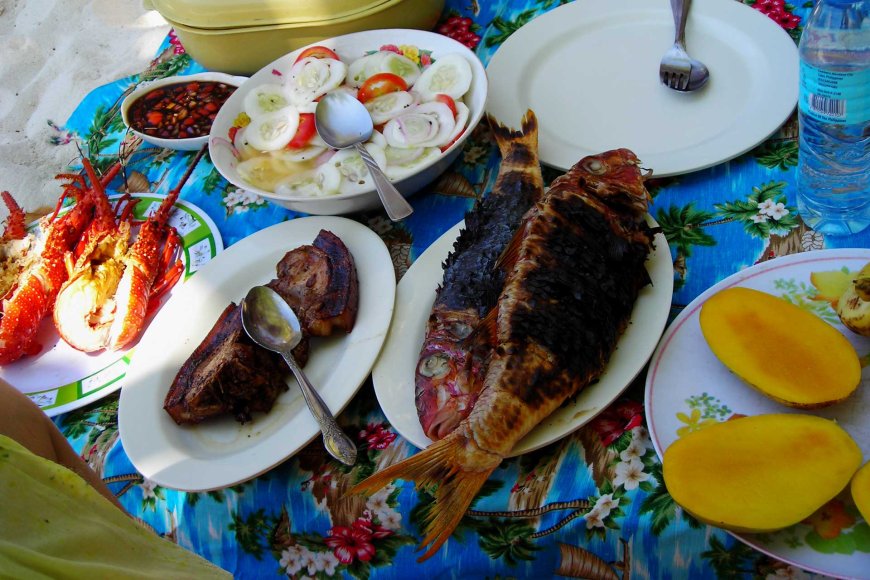
Nostalgia hits harder in a foreign land because distance amplifies memory, identity, and emotion. It is a natural response to change, loss, and growth.
Rather than resisting nostalgia, many migrants learn to carry it gently — not as a burden, but as proof of love, belonging, and roots. In doing so, they discover that home is not only a place left behind, but something carried within.
Nipino.com is committed to providing you with accurate and genuine content. Let us know your opinion by clicking HERE.