






























Japanese Summer Heat Remedies That Also Work in the Philippines
Japan's traditional and modern methods of staying cool during the sweltering summer months are not only culturally rich but also incredibly practical. These summer heat remedies, from specific foods to lifestyle practices, are surprisingly effective for coping with the equally humid and scorching summer heat in the Philippines.
Coping With the Heat, the Japanese Way
Summer in Japan can be brutally hot and humid, much like the Philippines. As temperatures soar past 30°C with sticky humidity, Japanese people have developed unique ways of staying cool—some passed down through generations, others emerging from modern lifestyle innovations. Many of these methods are not only ingenious but also easily adaptable for Filipinos seeking effective ways to beat the tropical heat without relying solely on air conditioning.
Explore some of the most popular and practical Japanese summer heat remedies that can work wonders in the Philippine climate.
Eating Cold and Refreshing Foods (Hiyashi Ryōri)
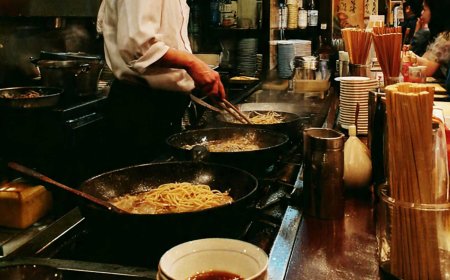
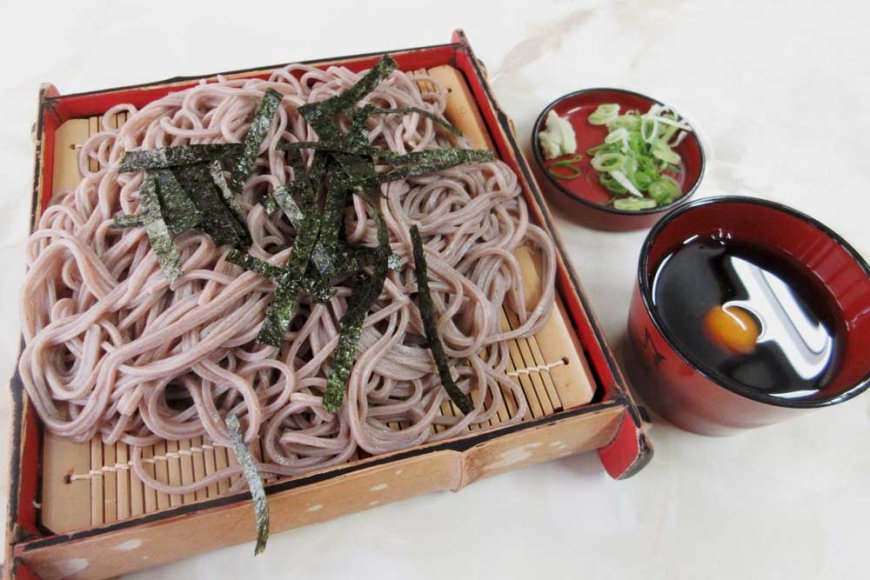
In Japan, summer meals shift towards cold, hydrating dishes such as hiyashi chūka (chilled ramen), sōmen (cold thin noodles), and zaru soba (buckwheat noodles served on bamboo trays with dipping sauce). These meals are not only cooling but also light and easy to digest, making them ideal for hot weather.
In the Philippines:
These noodle dishes can be localized using local vegetables, calamansi-based sauces, or native spices. A Filipino take on sōmen using sotanghon and calamansi-soy dipping sauce makes a great alternative.
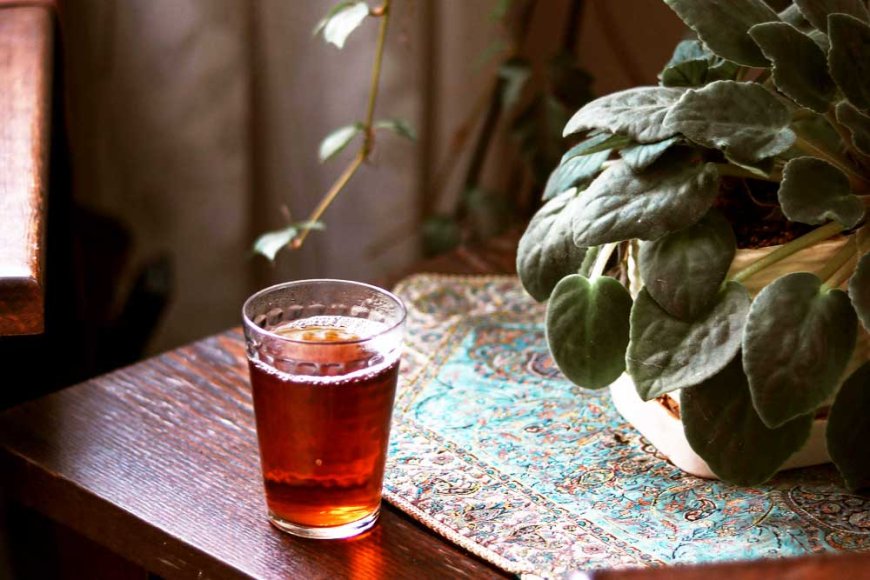
Drinking Mugicha (Barley Tea)
Mugicha, a roasted barley tea served cold, is a staple drink in Japanese homes during summer. It is caffeine-free, refreshing, and known to help lower body temperature and promote hydration.
In the Philippines:
Barley tea is increasingly available in Asian groceries, and with the popularity of herbal teas rising, Filipinos can embrace mugicha as a daily cold beverage instead of sugary soft drinks. Bonus: it's good for digestion and detox!
Wearing Breathable, Traditional Clothing (Yukata & Jinbei)
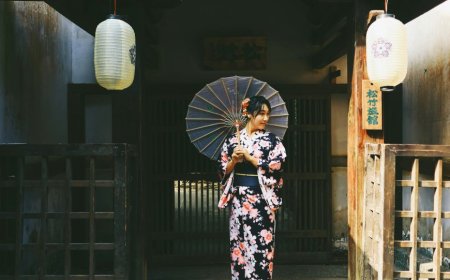
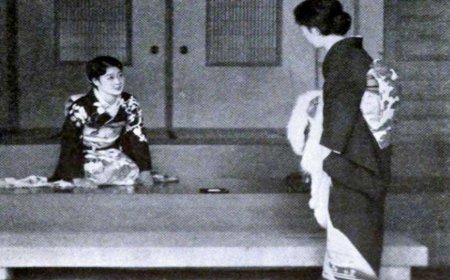
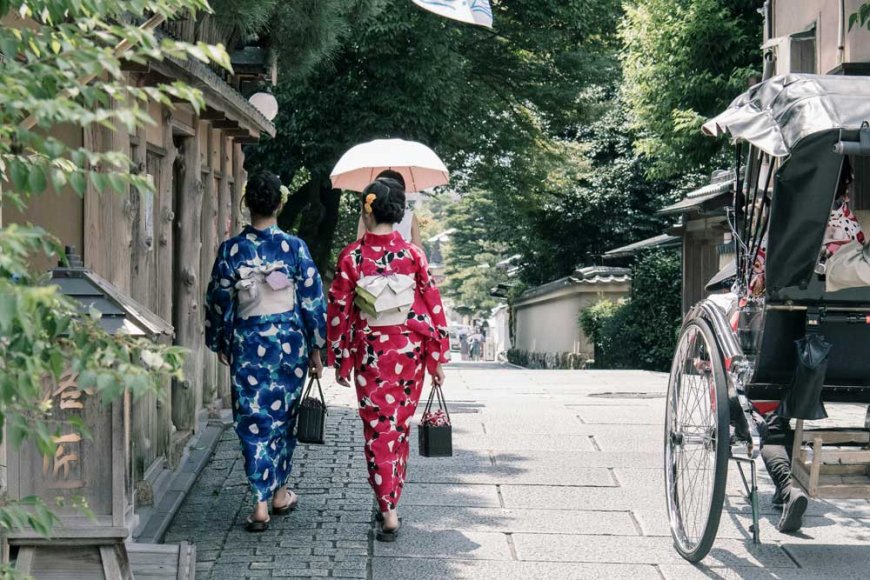
While Filipinos often opt for sleeveless shirts and shorts, the Japanese turn to lightweight cotton garments like yukata and jinbei. These are made from breathable fabric and designed to allow airflow, keeping the body cool without exposing too much skin to the sun.
In the Philippines:
Light cotton daster, linen polos, or even kamisa tsina-inspired tops mimic the cooling benefits of these Japanese garments. Wearing loose, natural-fiber clothing is a shared tradition that works well in both countries.
Using Cooling Towels and Uchiwa Fans
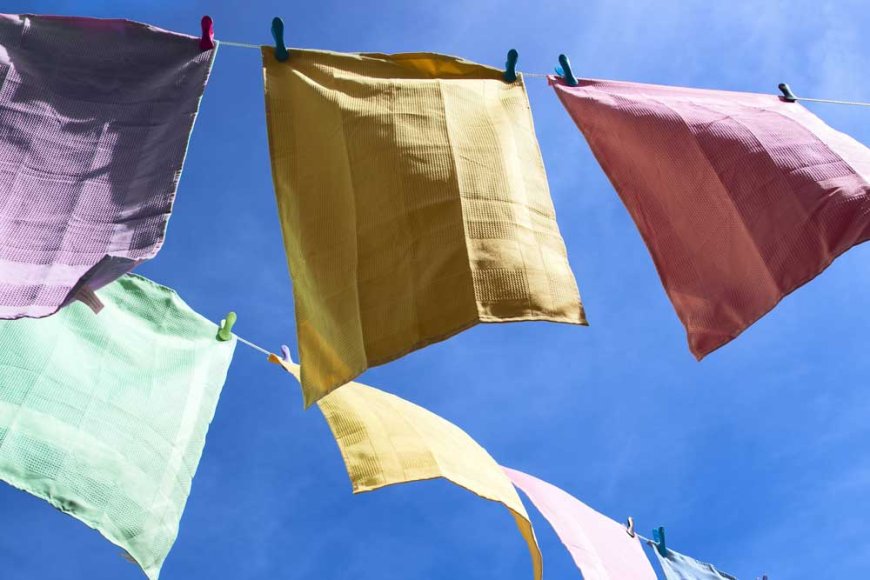
Japanese people rely on uchiwa (flat paper fans), sensu (folding fans), and modern cooling towels—cloths soaked in cold water and draped around the neck—to combat the heat while walking or commuting.
In the Philippines:
While electric fans dominate Filipino homes, reviving the use of traditional abaniko (hand fan) and investing in reusable cooling towels, which are available in sports shops, can provide instant relief during brownouts or outdoor activities.
Embracing “Cool” Scents and Bath Additives
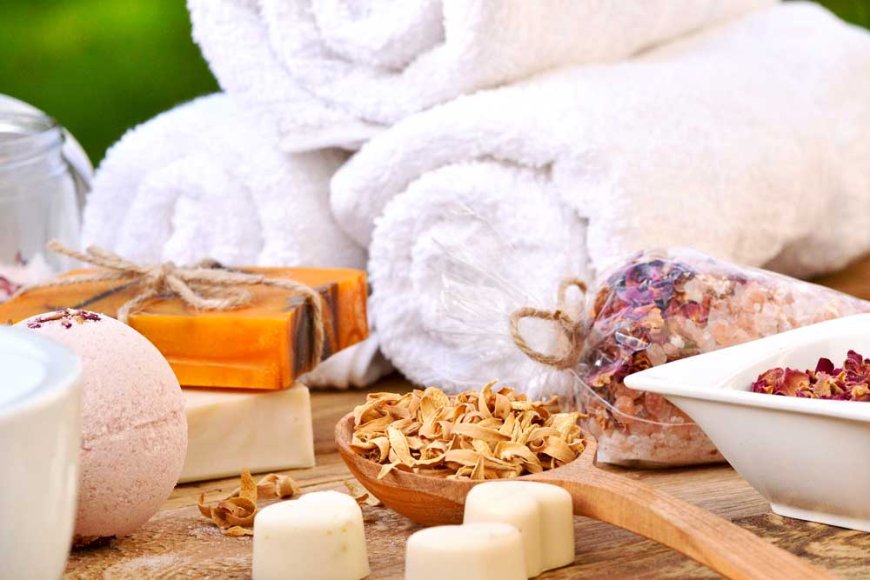
Summer in Japan also brings out menthol-based body soaps, shampoos, and bath salts with “cooling” sensations. These minty products create a tingly chill on the skin, helping people feel refreshed after a hot day.
In the Philippines:
Peppermint or eucalyptus-scented body wash and talcum powders are already popular in local stores. Using them after a cold bath can create a longer-lasting “aircon-feel” on the skin—no electricity required.
Eating Seasonal Fruits for Natural Hydration
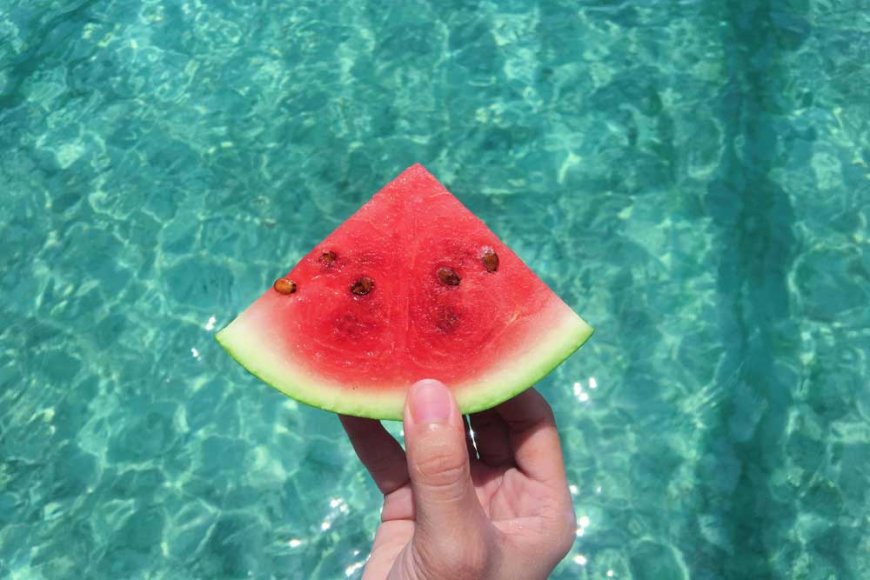
Japanese summer fruits like suika (watermelon), momo (peach), and kakigōri (shaved ice with fruit syrup) are common heat-busters. These not only taste great but provide hydration and vitamins in the summer.
In the Philippines:
Watermelon, cantaloupe, and mangoes are abundant and equally hydrating. A Filipino-style kakigōri version could be halo-halo without the heavy ingredients—just crushed ice, fruit, and a drizzle of honey or coconut milk.
Avoiding Heatstroke With Lifestyle Timing
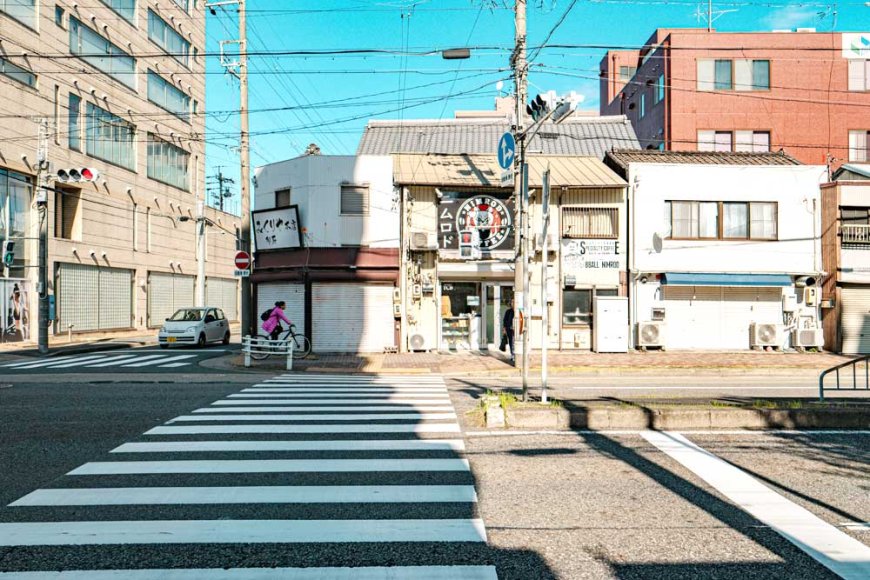
In Japan, the elderly and children are warned to avoid going out during the hottest times (usually 11 AM to 3 PM). There’s also a rise in midday siestas and use of apps that alert people to dangerous heat indexes.
In the Philippines:
Though Filipino culture is naturally inclined to avoid the noontime sun, adopting Japan’s timed alerts and heat index awareness (available via PAGASA or mobile weather apps) can help minimize risk. Early morning errands and late afternoon strolls can replace noontime outings.
Minimalist Cooling Interiors
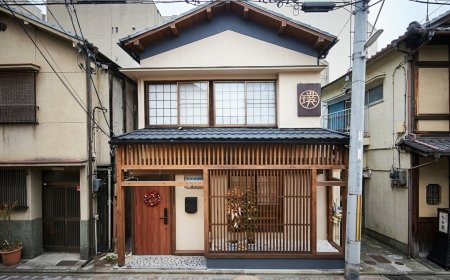
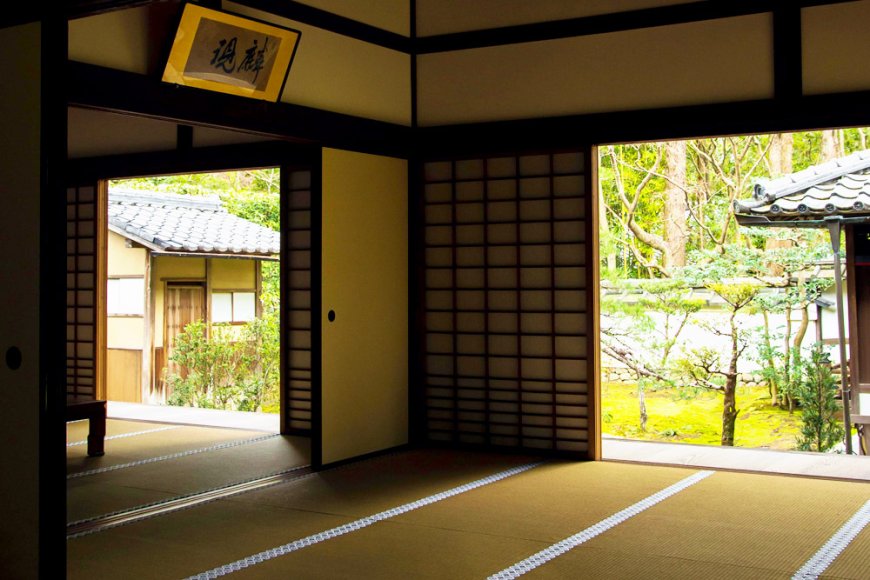
Traditional Japanese houses often use bamboo blinds, tatami mats, and indoor plants to keep the space cool. Instead of fighting the heat, the Japanese design their homes to allow ventilation and shade.
In the Philippines:
Simple changes like replacing thick curtains with bamboo blinds, using indoor plants like snake plants or aloe vera, and allowing airflow through windows can reduce the need for constant air conditioning.
Cool Wisdom Across Cultures
What makes Japanese summer heat remedies so effective is their blend of natural, minimalist, and health-conscious solutions. These tips aren’t about expensive appliances or high-maintenance routines—they’re about working with the body and environment, not against it.
For Filipinos looking for alternative or complementary ways to beat the heat, Japan’s summer traditions offer practical and culturally compatible solutions. From foods to fashion to everyday habits, these cooling methods prove that sometimes, the best ways to stay cool are the ones rooted in centuries of tradition.
Nipino.com is committed to providing you with accurate and genuine content. Let us know your opinion by clicking HERE.