





















































Patience: What Japan Taught Me About Waiting
Japan has a way of turning even the simplest act of waiting into a quiet lesson in mindfulness and discipline. This article explores how daily experiences — from train delays to long queues — reveal a deeper cultural value that shapes life in Japan.
The Gentle Discipline of the Everyday Queue
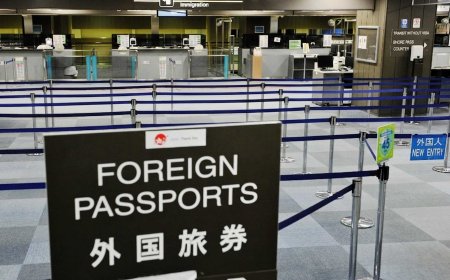
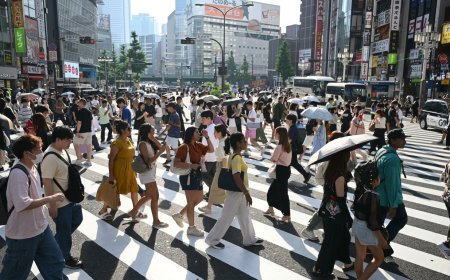
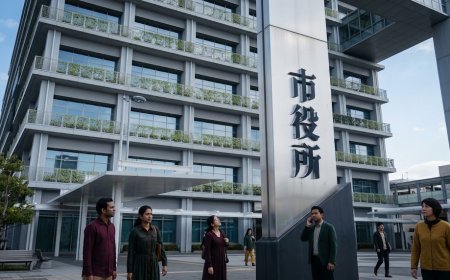
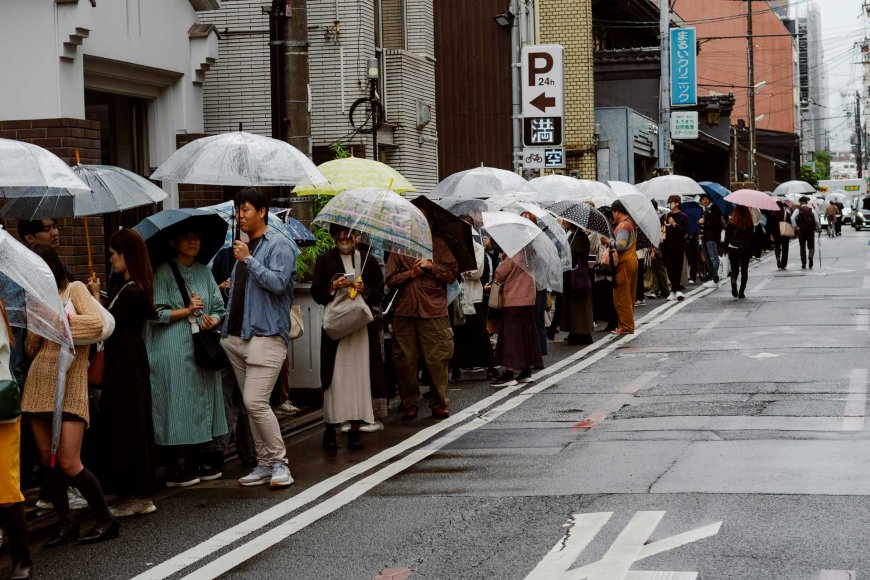
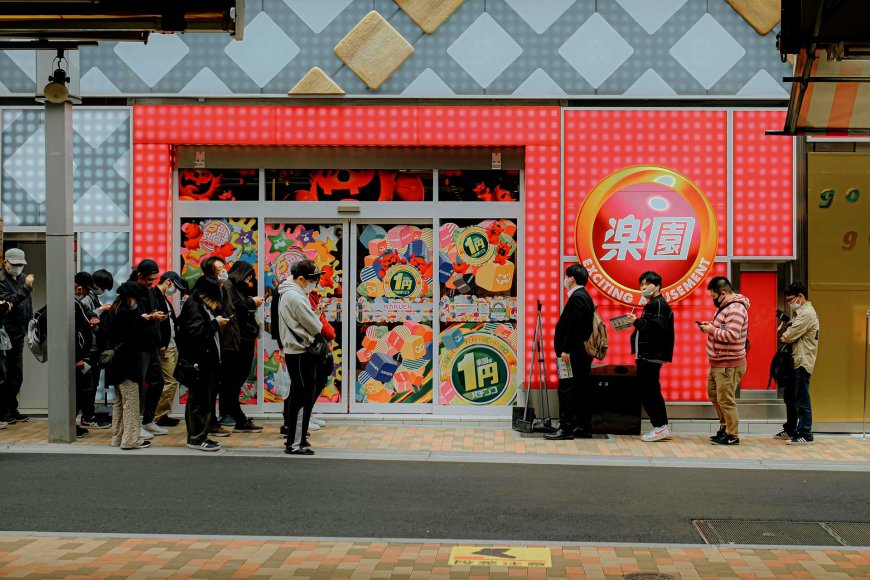
In Japan, a simple line outside a convenience store or train platform becomes an unspoken agreement of respect. People stand quietly, leaving enough space between each other, never pushing, and never trying to get ahead. For someone who grew up in a more fast-paced, occasionally chaotic environment, witnessing this calm order feels almost like observing an art form.
Japan turns queues into a reflection of collective discipline. Everyone contributes to the harmony — not because someone is watching, but because it is what the culture values. This everyday practice shows that patience is not just waiting; it is waiting well.
Trains That Teach More Than Time Management
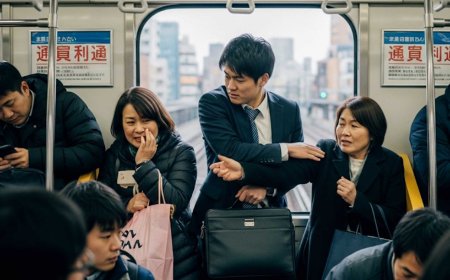
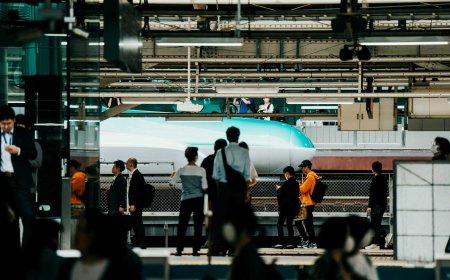
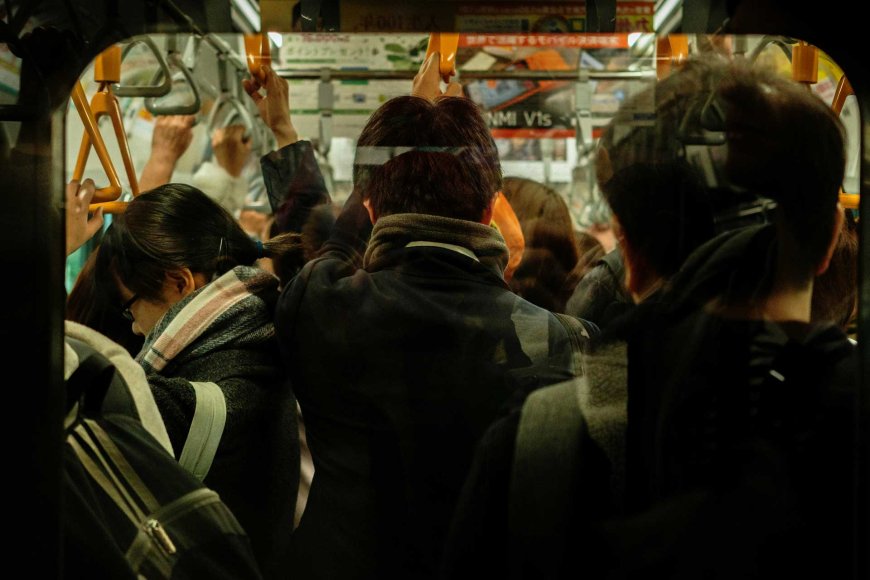
Japanese trains run with legendary efficiency, but when delays happen, they offer unexpected lessons. Instead of frustration, commuters simply accept the moment, often bowing slightly when squeezing into a crowded car or when passing by someone. The environment encourages calmness, not chaos.
For many foreigners, this calm response to inconvenience is eye-opening. It proves that patience is not just about enduring time — it is about maintaining dignity and respect even when things do not go as planned.

Silence as a Form of Respect
Waiting in Japan is often accompanied by silence. Commuters on trains speak softly or not at all; people in lines avoid unnecessary noise. This silence is not emptiness — it is a form of courtesy.
In a world where waiting often leads to impatience and noise, Japan demonstrates that calmness can be a universal language. Silence becomes a gift that people offer one another.

Convenience Stores, But Slower on Purpose
Stepping into a konbini might seem like a quick errand, but watching how cashiers take time to greet customers, prepare bags neatly, and ensure accuracy shows a deeper value: there is no rush for the sake of rushing. Everything is done with intention.
This pace teaches that patience is also a form of trust — trust in the process, trust in the person serving you, and trust that doing things properly matters more than doing them quickly.
What Japan Ultimately Teaches About Waiting
Living in Japan reveals that patience is a cultural treasure. It shapes public spaces, personal behavior, and social interactions. It transforms waiting from an inconvenience into a moment of reflection.
The art of patience becomes a life lesson abroad: when people choose calmness over frustration, the world becomes just a little bit kinder.
Nipino.com is committed to providing you with accurate and genuine content. Let us know your opinion by clicking HERE.