


































Japanese School Festivals (文化祭): A Celebration of Culture, Creativity, and Community
Japanese school festivals, known as bunkasai (文化祭), are vibrant annual events that showcase student creativity, cultural appreciation, and teamwork. These festivals highlight the unique spirit of Japanese education, where classrooms transform into stages, cafés, and exhibits that invite both students and the community to celebrate learning in a festive atmosphere.

The Meaning Behind Bunkasai
At the heart of Japanese school life, bunkasai translates literally to "cultural festival." Unlike typical academic displays, these events are student-driven celebrations of talent, culture, and collaboration. Each classroom and club takes part in transforming school grounds into a lively carnival, blending education with entertainment.
For many students, bunkasai represents more than just a festival; it is a rite of passage. It’s where they learn teamwork, responsibility, and self-expression while inviting the public to enjoy the fruits of their effort.

Origins and History of School Festivals
The tradition of bunkasai dates back to the early 20th century, when schools sought ways to connect education with cultural enrichment. Initially, these events focused on art, literature, and music. Over time, the scope widened, including food stalls, theater, and interactive attractions, making them highly anticipated community events.
Today, the Japanese Ministry of Education encourages schools to host bunkasai as a way to strengthen school identity, allow students to apply their creativity outside textbooks, and build relationships between schools and local residents.
The Preparations: Months of Effort
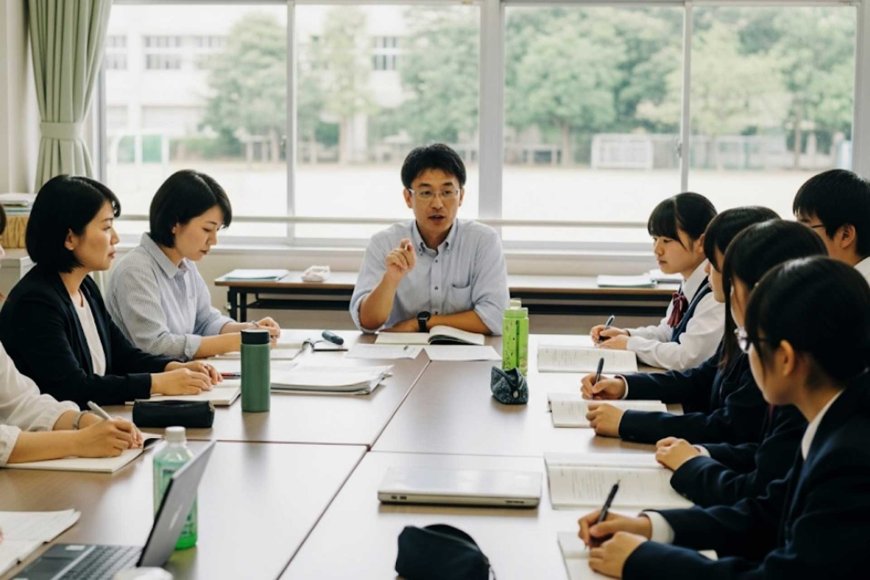
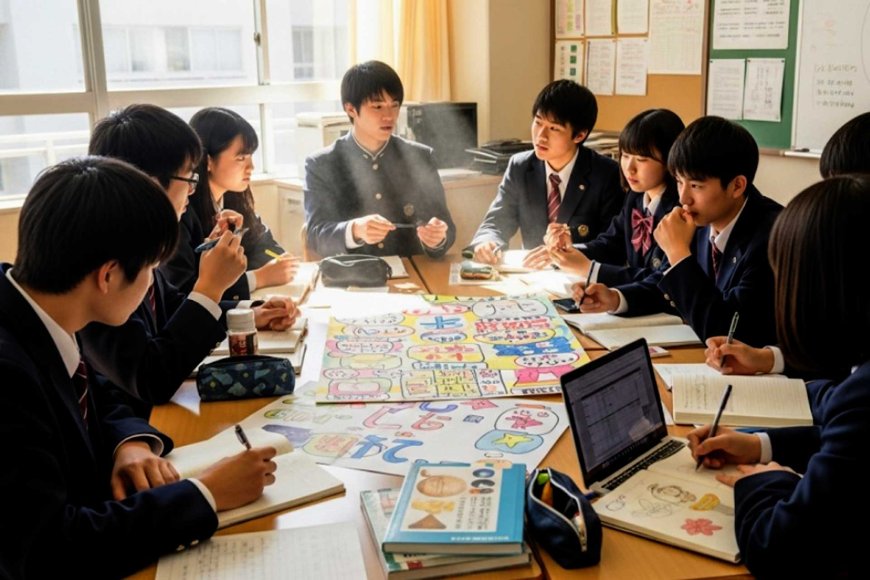
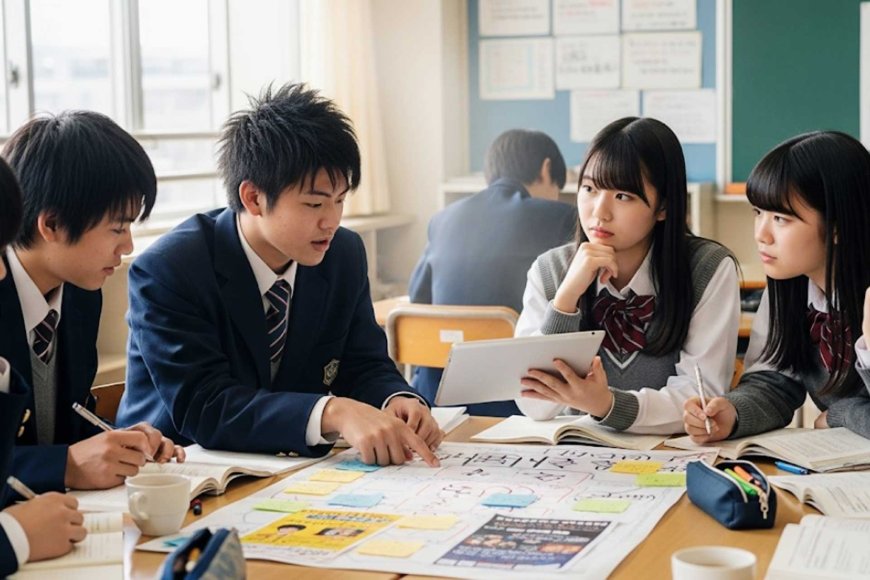
The magic of a school festival doesn’t happen overnight. Students begin planning months in advance, often starting with committees that assign responsibilities such as budgeting, marketing, and logistics. From designing posters to rehearsing stage performances, preparation itself becomes an invaluable learning experience.
Teachers provide guidance, but the students lead almost every aspect, reinforcing leadership and teamwork skills. For many, the excitement of late-night rehearsals or classroom decoration sessions is just as memorable as the festival itself.
Transforming Classrooms into Attractions
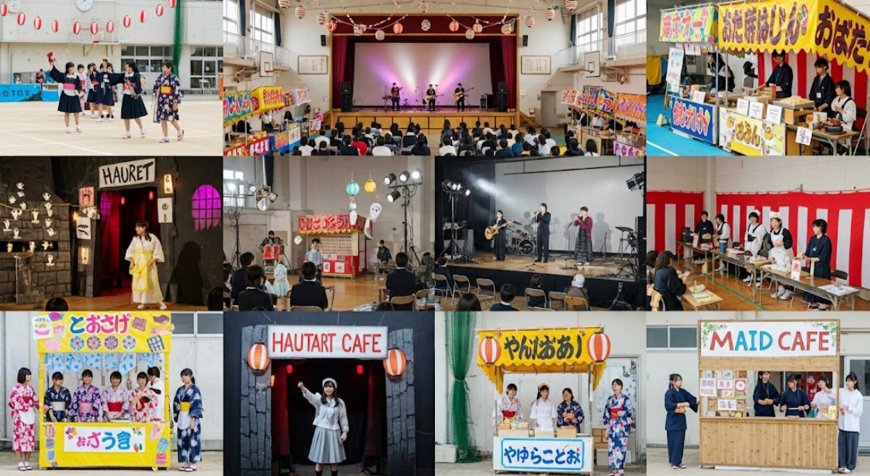
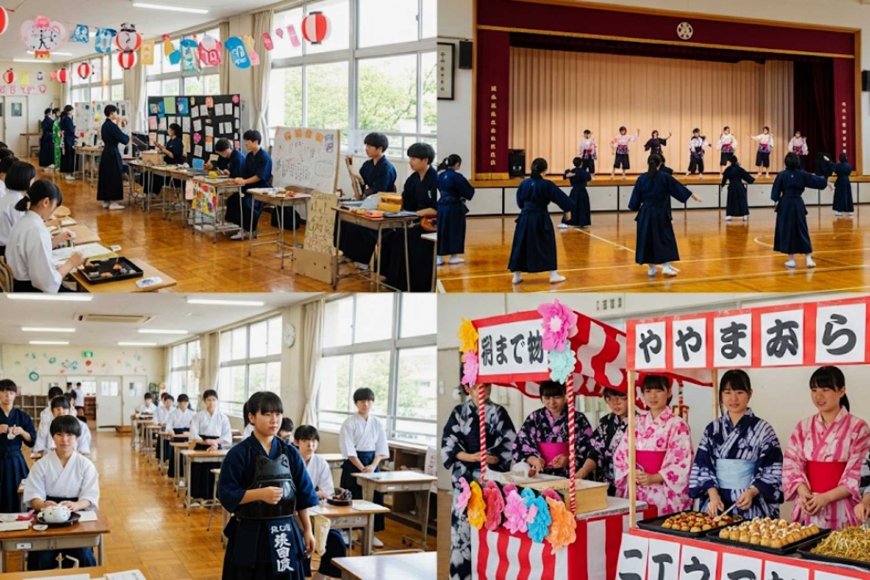
One of the highlights of bunkasai is seeing how ordinary classrooms turn into extraordinary spaces. Common transformations include:
- Haunted Houses: A perennial favorite, often complete with spooky sound effects and creative costumes.
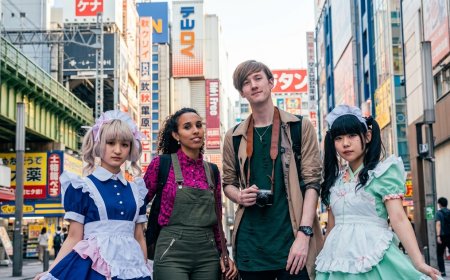
- Cafés and Restaurants: Students serve coffee, pancakes, or themed dishes while dressed in maid, butler, or cosplay outfits.
- Exhibitions: Art clubs display student works, while science clubs demonstrate experiments or technology projects.
These setups not only entertain but also showcase student ingenuity and resourcefulness.

Stage Performances: Music, Dance, and Drama
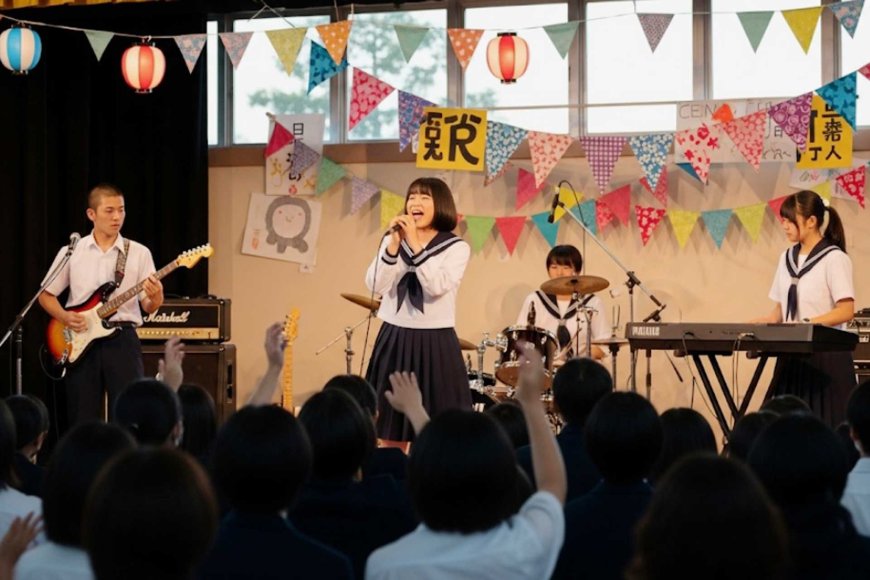
No bunkasai would be complete without stage performances. Gymnasiums and auditoriums become platforms where students sing, dance, and act. From rock band performances to traditional Japanese dance, these shows attract the largest crowds.
Drama clubs often prepare original plays or adaptations of popular stories, while music clubs fill the air with energetic performances. These moments allow students to shine and inspire their peers.
Food Stalls and Festival Atmosphere
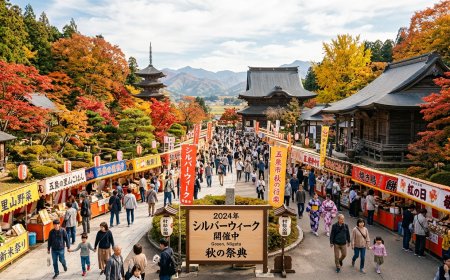
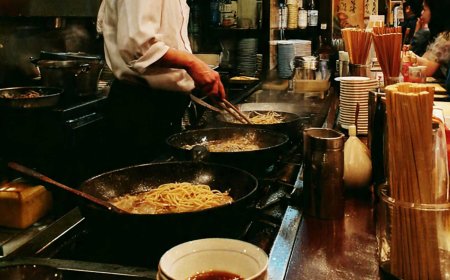
Food is a central element of every Japanese festival, and bunkasai is no exception. Students set up booths selling classics like takoyaki (octopus balls), yakisoba (fried noodles), taiyaki (fish-shaped cakes), and crepes.
The aroma of sizzling food combined with the buzz of excitement creates an atmosphere that feels like a miniature summer matsuri (祭り, festival). For visitors, these food stalls are often a highlight, offering delicious treats at affordable prices.
Role of Clubs and Extracurricular Groups
Clubs play a major role in the festival’s success. Cultural clubs like calligraphy, ikebana (flower arranging), or tea ceremony present exhibitions, while athletic clubs may host demonstrations or competitions.
This variety ensures that every student has an opportunity to participate and contribute, reinforcing the collective spirit of bunkasai.
Community Involvement and Visitors
Although organized by students, bunkasai is open to the wider community. Families, alumni, and local residents often attend, strengthening the bond between schools and society. For younger children, visiting a school festival is both entertaining and inspiring, giving them a glimpse of what awaits them in future school life.
The events also serve as informal open houses, allowing prospective students and their parents to experience a school’s culture firsthand.
The Lasting Impact on Students
Beyond the excitement and fun, bunkasai has a deep impact on students’ personal growth. It teaches:
- Collaboration: Working together across classes and clubs.
- Creativity: Designing attractions and performances from scratch.
- Confidence: Performing in front of peers and the public.
Many students look back at their bunkasai experience as a defining moment of their school years, filled with friendship, laughter, and pride.

More Than Just Japanese School Festivals (文化祭)
Japanese school festivals (文化祭) are much more than entertaining school events; they are celebrations of community, creativity, and cultural identity. By combining education with festivity, these events nurture lifelong skills while strengthening the connection between schools and society.
As long as Japanese education values both academics and cultural enrichment, bunkasai will remain a cherished tradition that defines the heart of school life in Japan.
Nipino.com is committed to providing you with accurate and genuine content. Let us know your opinion by clicking HERE.