





















Filipino Christmas Traditions: Faith, Family, and Festive Joy
Filipino Christmas traditions reflect deep faith, strong family bonds, and a joyful spirit that lasts longer than anywhere else in the world. From dawn Masses to colorful lanterns and overflowing tables, Christmas in the Philippines is a celebration of togetherness and hope.
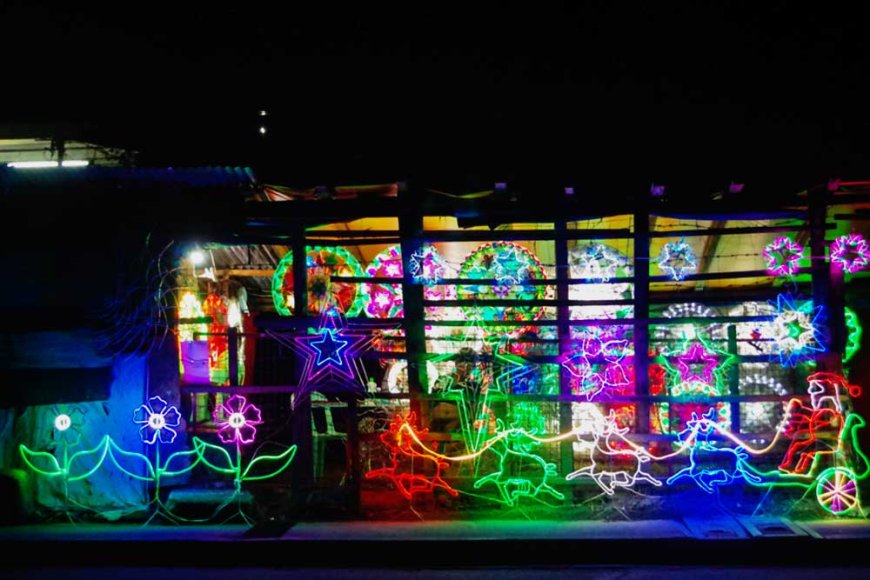
A Christmas Season That Begins Early
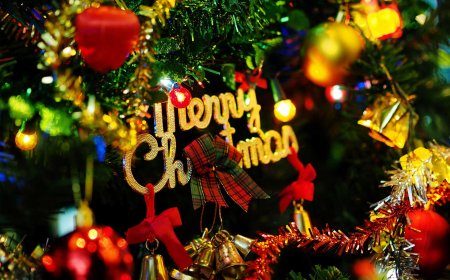
In the Philippines, Christmas is not limited to December 25. It begins as early as September, marking what Filipinos call the “Ber months.” Streets, malls, and homes start playing Christmas songs, hanging decorations, and preparing for celebrations long before the actual holiday arrives. This extended season reflects the Filipino love for celebration and their deep emotional connection to Christmas.
The long buildup allows families to reconnect, save money, and plan gatherings, especially for relatives working far from home. Christmas is not rushed—it is slowly welcomed and deeply felt.
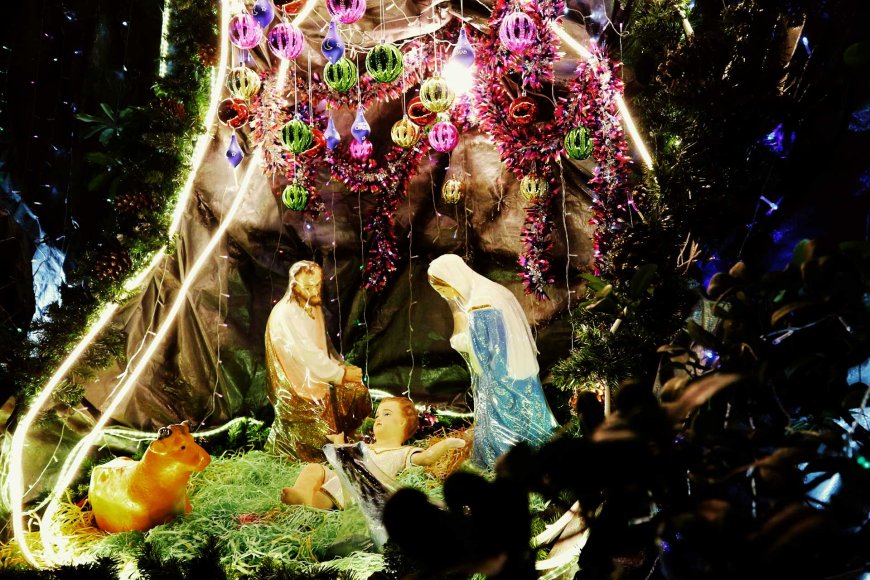
Simbang Gabi: A Tradition of Faith and Hope
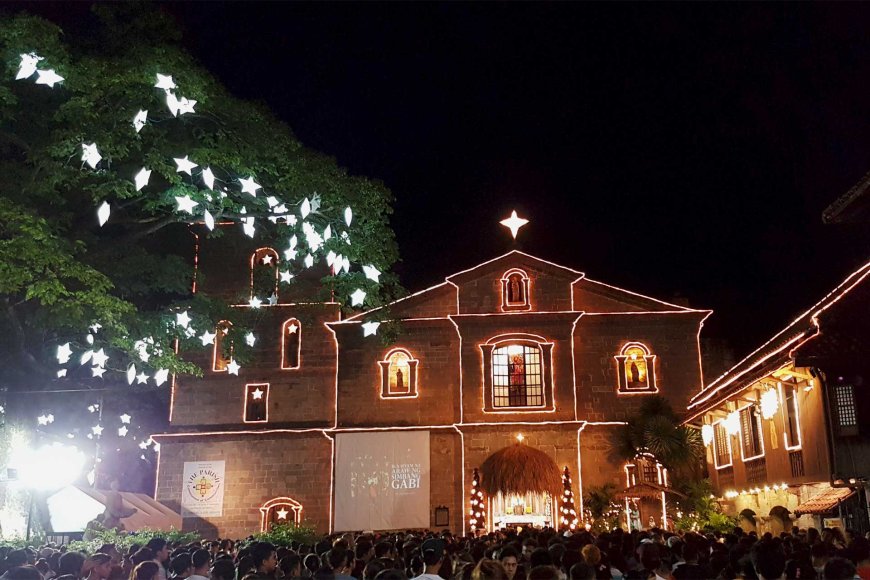
One of the most important Filipino Christmas traditions is Simbang Gabi, a series of nine dawn Masses held from December 16 to 24. Families wake up early to attend church together, believing that completing all nine Masses brings blessings and answered prayers.
Beyond religion, Simbang Gabi strengthens community ties. After Mass, people gather outside churches to enjoy traditional snacks such as bibingka and puto bumbong. These moments create warmth and shared memories that define the Filipino Christmas experience.
The Parol: A Symbol of Light
The parol, a star-shaped lantern, is one of the most iconic symbols of Christmas in the Philippines. Inspired by the Star of Bethlehem, the parol represents hope, guidance, and the triumph of light over darkness.
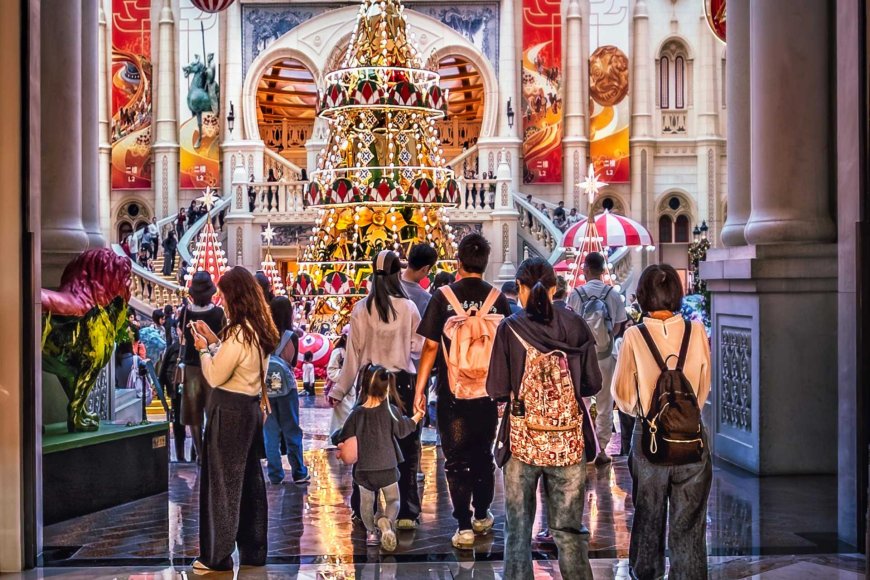
Homes, streets, and public buildings display parols made from bamboo, paper, plastic, or capiz shells. Each glowing lantern reflects the Filipino belief that Christmas is a season of light, even during difficult times.

Noche Buena: Food and Family at Midnight
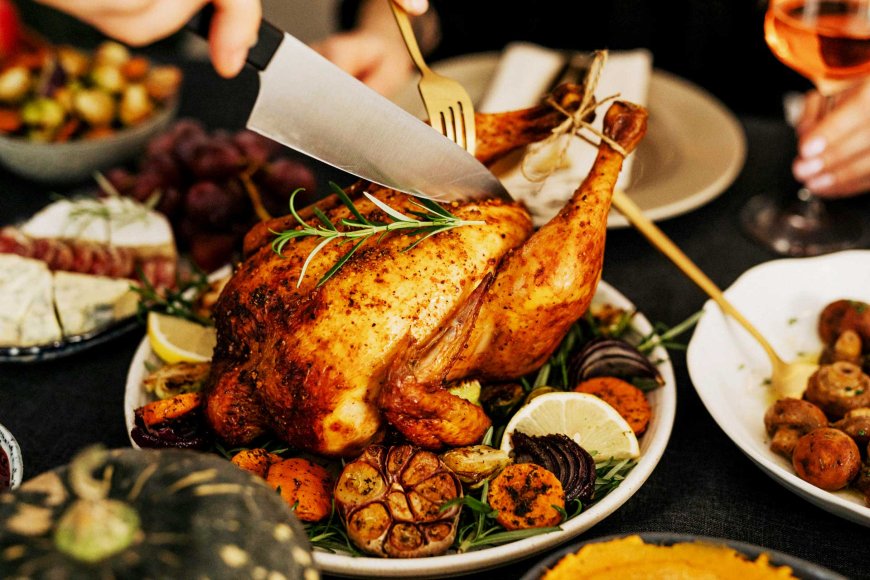
Christmas Eve is celebrated with Noche Buena, a midnight feast shared by families after attending Mass. Tables are filled with dishes such as lechon, hamon, queso de bola, pancit, and fruit salad.
More than the food itself, Noche Buena represents togetherness. Even simple meals become meaningful because families eat, laugh, and share stories together, welcoming Christmas Day with gratitude.
Family, Respect, and Pagmamano
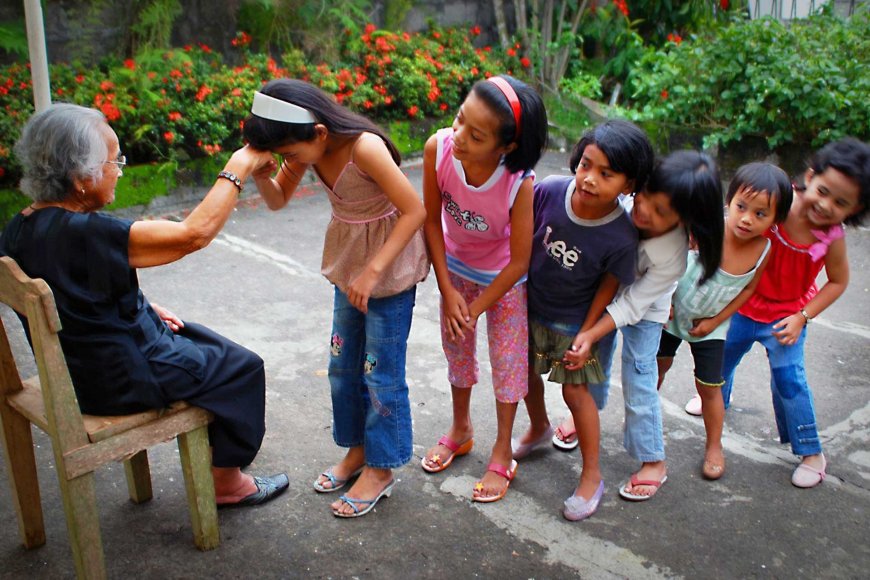
Christmas in the Philippines is also a time for honoring elders. Younger family members perform pagmamano, a gesture of respect where they take an elder’s hand and touch it to their forehead while saying “Mano po.”
This tradition reinforces Filipino values of respect, humility, and strong family hierarchy. Christmas gatherings often include extended relatives, making the celebration a reunion that strengthens generational bonds.
Christmas Music, Caroling, and Joyful Noise
Filipino Christmas is never quiet. Christmas songs play everywhere—from radio stations to neighborhood streets. Children and groups go caroling, singing from house to house in exchange for small coins or snacks.
This joyful noise reflects the Filipino spirit: expressive, communal, and full of life. Music becomes a shared language of happiness during the season.
A Celebration of Resilience and Love
Ultimately, Filipino Christmas traditions go beyond decorations and food. They reflect resilience, faith, and an unwavering sense of hope. Even families facing hardship find ways to celebrate, proving that Christmas in the Philippines is not about abundance—but about love.
Nipino.com is committed to providing you with accurate and genuine content. Let us know your opinion by clicking HERE.