

















































This site uses cookies. By continuing to browse the site you are agreeing to our use of cookies.

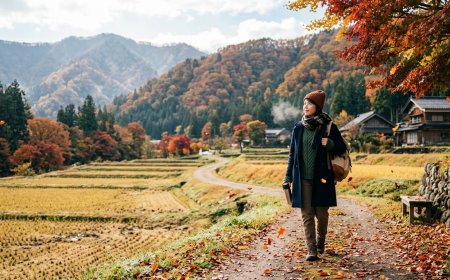
September marks the beginning of autumn in Japan, but don't put away your summer...
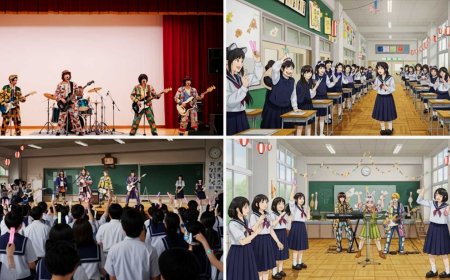
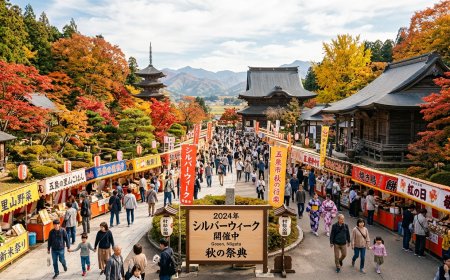
Japanese school festivals, known as bunkasai (文化祭), are vibrant annual events...
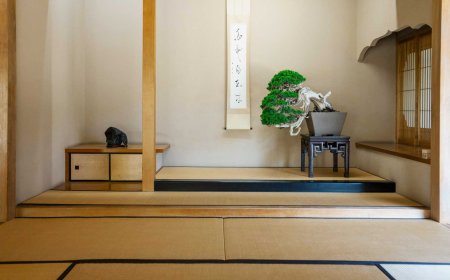
Tatami mats, known as 畳 in Japanese, are more than just flooring; they are a sy...

In Japanese, both "未来 (mirai)" and "将来 (shourai)" refer to the future, but t...

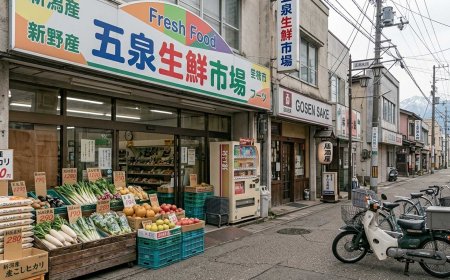
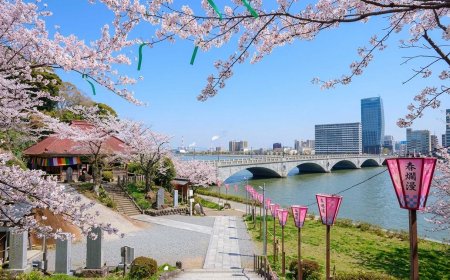
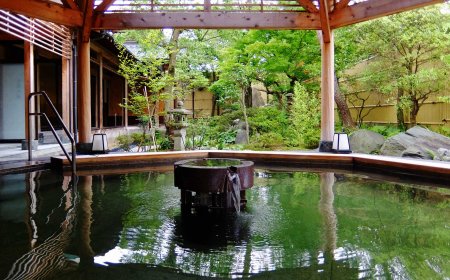
Often overlooked by foreign tourists, Niigata offers a deeply authentic Japanese...

Furoshiki is a traditional Japanese cloth used to wrap, carry, and protect items...

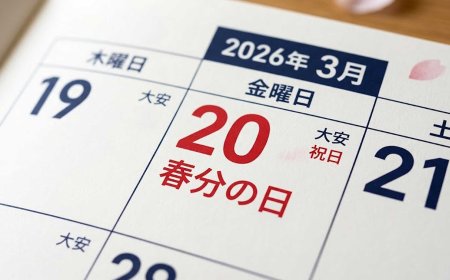
Shunbun no Hi, or the Spring Equinox Day, is a national holiday in Japan that ma...

White Day, celebrated on March 14, is a special occasion in Japan where men give...
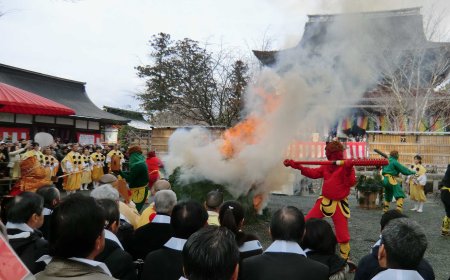
Setsubun is a beloved Japanese tradition that marks the arrival of spring with r...
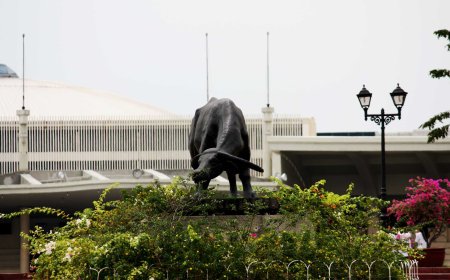
The cultural contrasts between the Philippines and Japan are fascinating, especi...

Shinnenkai is a Japanese tradition that marks the start of the new year with fes...
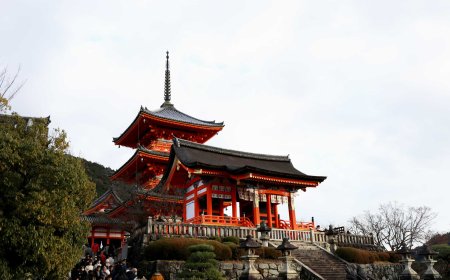
The cultural and spiritual significance of Hatsumode, the beloved Japanese New Y...

Parenting reflects the heart of a culture, and Filipino and Japanese moms showca...
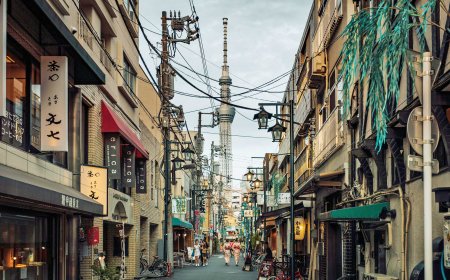
In Japan, the term "放題" (hōdai) signifies more than just "all-you-can." It enc...
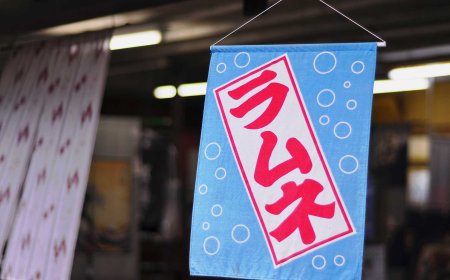
Ramune is a piece of Japanese summer tradition. With its unique bottle and refre...