





















































Setsubun (節分) in Japan: Welcoming Spring by Driving Away Misfortune
Setsubun is a traditional Japanese event that marks the turning point between seasons—most famously the transition from winter to spring—by symbolically driving away bad luck and inviting good fortune. Through rituals like bean-throwing, special foods, and community ceremonies, Setsubun reflects Japan’s deep respect for nature, renewal, and shared cultural memory.
What Is Setsubun?
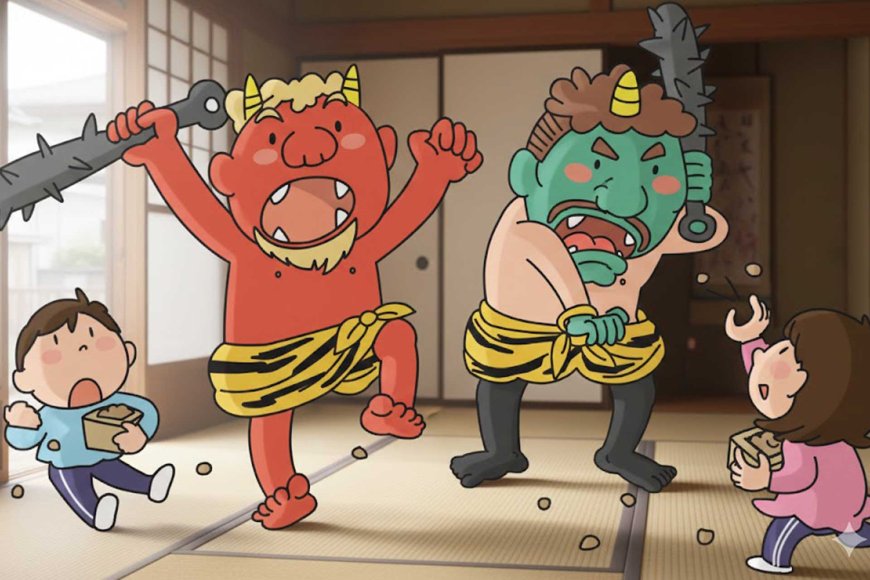
Setsubun is a traditional Japanese observance that marks the division of seasons, with the most widely celebrated Setsubun occurring in early February, just before the start of spring. Rooted in ancient beliefs, the event symbolizes a spiritual cleansing—casting out misfortune from the previous season and welcoming renewal. While often associated with children joyfully throwing beans at someone dressed as an oni (demon), Setsubun carries layers of cultural, religious, and historical meaning that continue to resonate in modern Japan.
Historical Roots of Setsubun
The origins of Setsubun can be traced back to ancient China and were later adopted into Japanese court rituals during the Heian period. The concept was tied to the lunar calendar, where seasonal transitions were believed to be vulnerable times when evil spirits could enter the human world. To protect households and communities, rituals were performed to purify spaces and drive away negative influences. Over time, these practices became embedded in Japanese folk traditions and eventually spread to temples, shrines, and ordinary homes across the country.
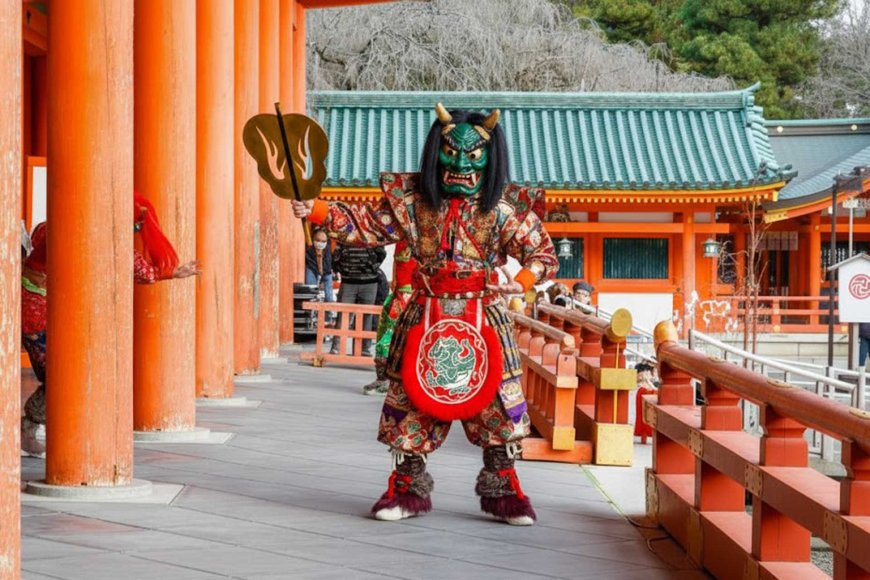
Mamemaki: Throwing Beans to Chase Away Evil
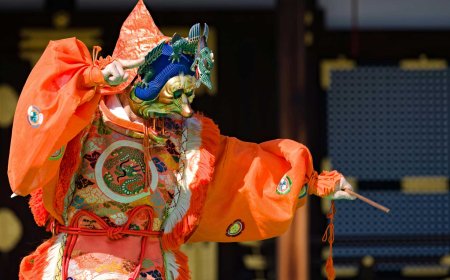
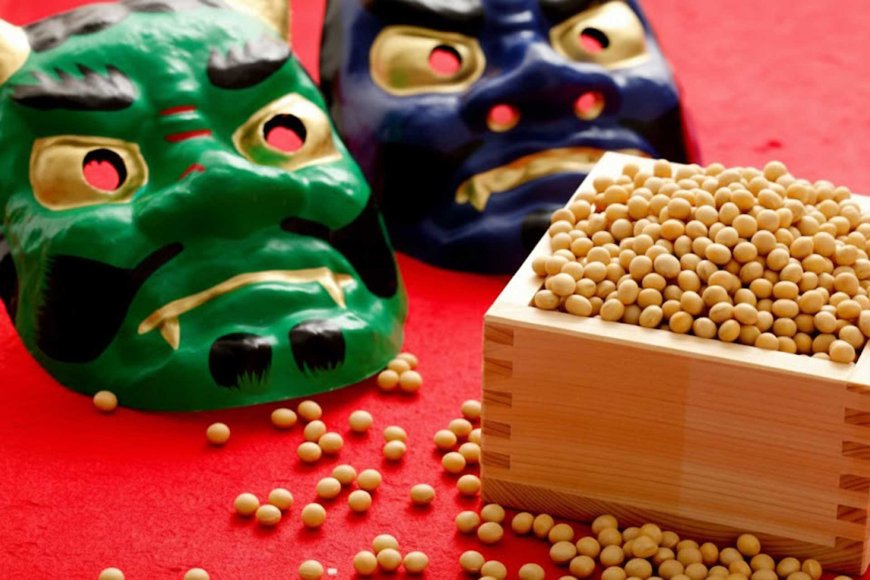
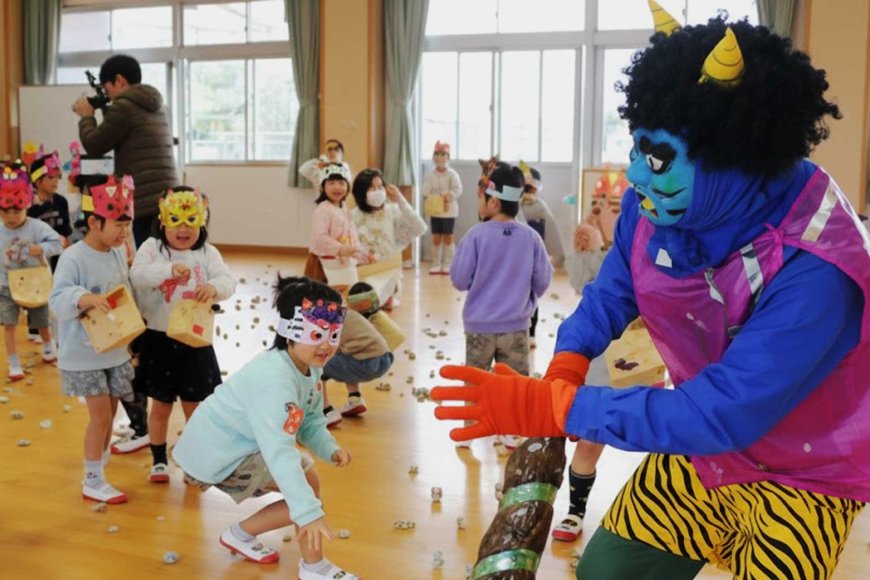
One of the most iconic Setsubun customs is mamemaki, the act of throwing roasted soybeans while chanting “Oni wa soto! Fuku wa uchi!”—“Demons out! Fortune in!” The beans symbolize purity and life, and by casting them out, people symbolically expel bad luck. In many households, a family member wears an oni mask and plays the role of the demon, turning the ritual into a playful yet meaningful activity, especially for children.
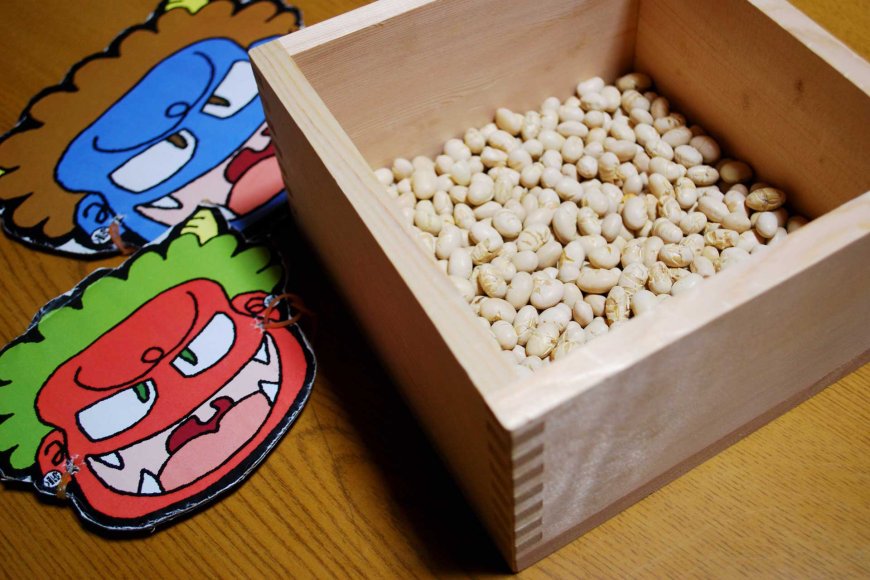
Eating Beans for Good Luck
After mamemaki, it is customary to eat the same number of beans as one’s age, plus one extra for good luck. This practice is believed to bring health and longevity for the coming year. Though simple, the ritual reinforces the idea that good fortune begins with small, intentional acts tied to seasonal awareness.
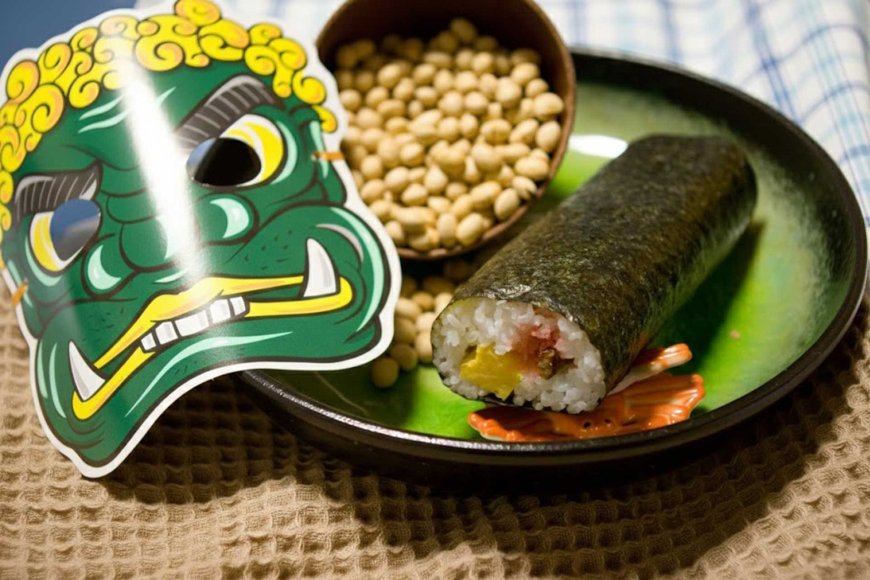
Ehomaki: A Modern Tradition with Deep Symbolism
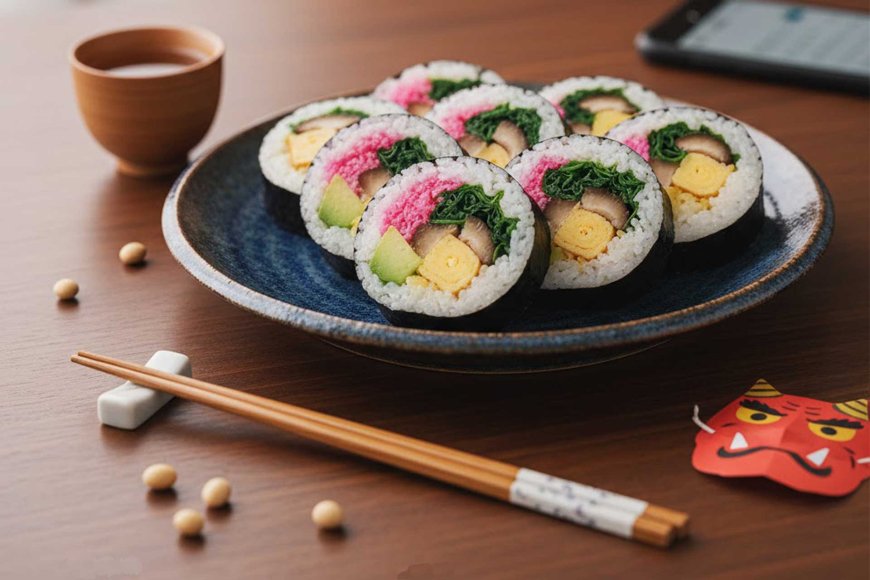
Another well-known Setsubun custom is eating ehomaki, a thick sushi roll filled with various ingredients. The roll is eaten in silence while facing the year’s designated lucky direction, determined by the zodiac. Although ehomaki became nationally popular only in recent decades—largely through commercial promotion—it has its roots in regional customs. Today, it reflects how Japanese traditions evolve while maintaining symbolic meaning.
Setsubun at Temples and Shrines
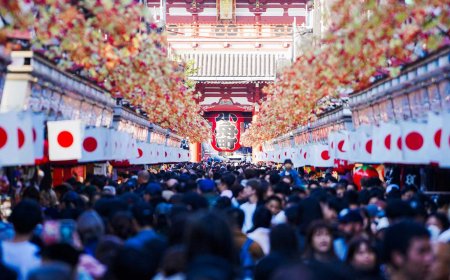
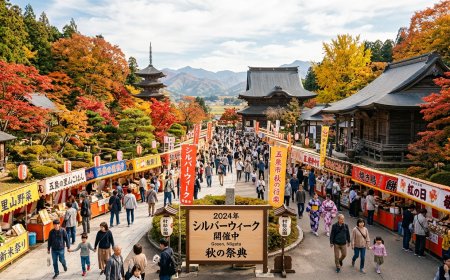
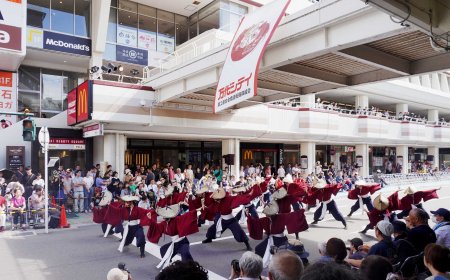
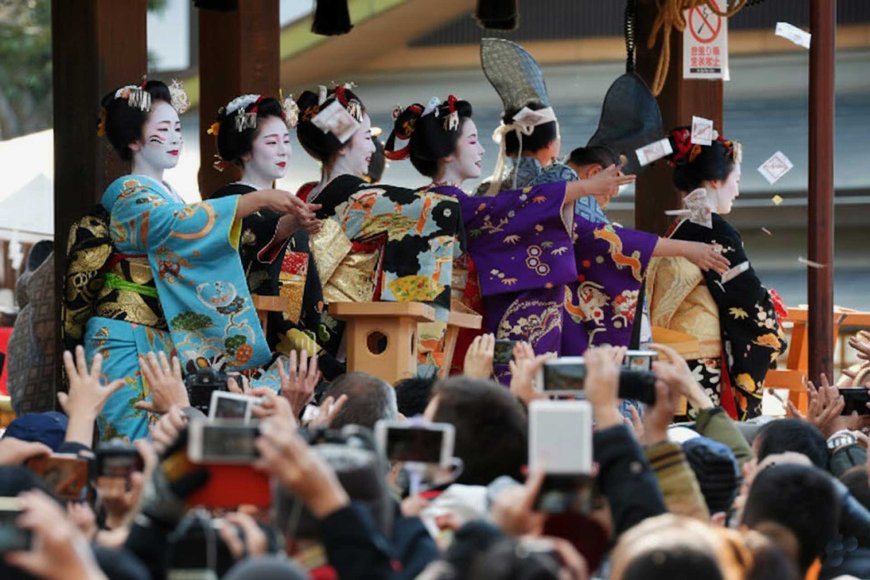
Across Japan, major temples and shrines host public Setsubun events, often featuring celebrities, monks, or local figures throwing beans to large crowds. These ceremonies blend religious ritual with community celebration, drawing people of all ages. Attendees often keep the beans they catch as charms for good luck, highlighting Setsubun’s role as both a spiritual and social event.
Setsubun in Modern Japanese Life
While traditional elements remain, Setsubun has adapted to contemporary lifestyles. Supermarkets sell ready-made ehomaki, schools incorporate Setsubun activities into lessons, and social media fills with photos of oni masks and family gatherings. Even so, the heart of Setsubun remains unchanged: acknowledging seasonal change, reflecting on the past, and preparing for a fresh start.
Reconnecting With Nature’s Rhythms
In a fast-paced modern society, Setsubun offers a moment to pause and reconnect with nature’s rhythms. It reminds people that change is constant and that renewal begins with awareness and intention. By participating in Setsubun, individuals reaffirm a cultural philosophy that values balance, harmony, and the quiet power of tradition.
Nipino.com is committed to providing you with accurate and genuine content. Let us know your opinion by clicking HERE.