
































When Spirits Walk: Japan’s Summer of Ghostly Tales and Traditions
In Japan, summer is more than just festivals and fireworks—it is a time when spirits are believed to return, and ghost stories take center stage. Through ancient rituals, bone‑chilling tales, and modern haunted attractions, Japan transforms its hottest season into a celebration of both the supernatural and cultural heritage.
The Cultural Roots of Japan’s Summer Ghost Season
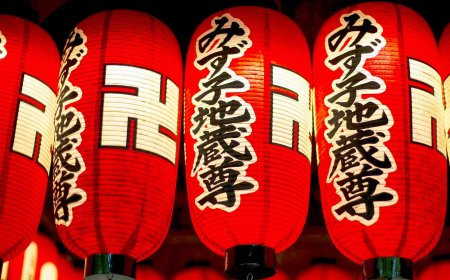
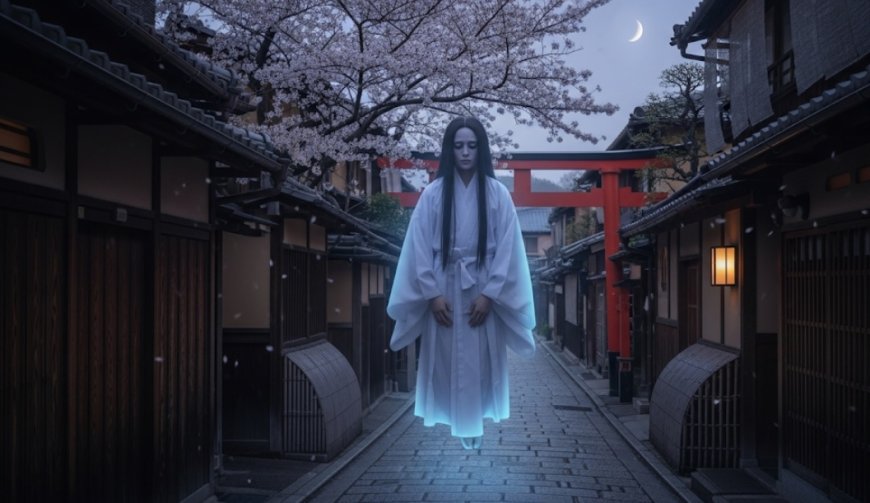
The Japanese summer ghost season has deep ties to Buddhist practices, particularly Obon, a festival held in mid‑August when families honor their ancestors. It is believed that during this period, the boundary between the world of the living and the dead becomes thin, allowing spirits to return to visit their loved ones. Families light lanterns, prepare food offerings, and hold ceremonies to guide these souls, creating an atmosphere where ghost stories and supernatural encounters feel both natural and meaningful. This spiritual foundation explains why ghostly traditions thrive in Japan’s sweltering summer rather than during autumn like in Western cultures.
Edo‑Period Ghostly Entertainment: From Stories to Stage
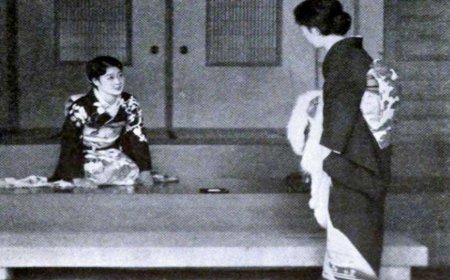
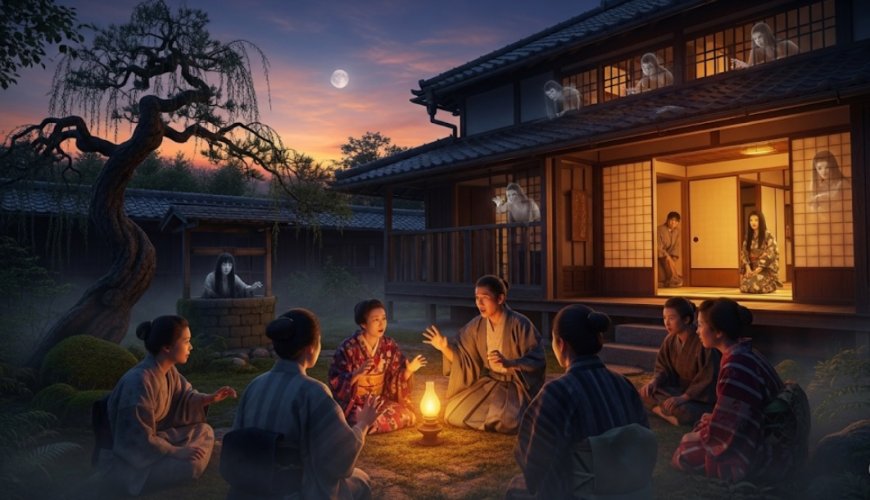
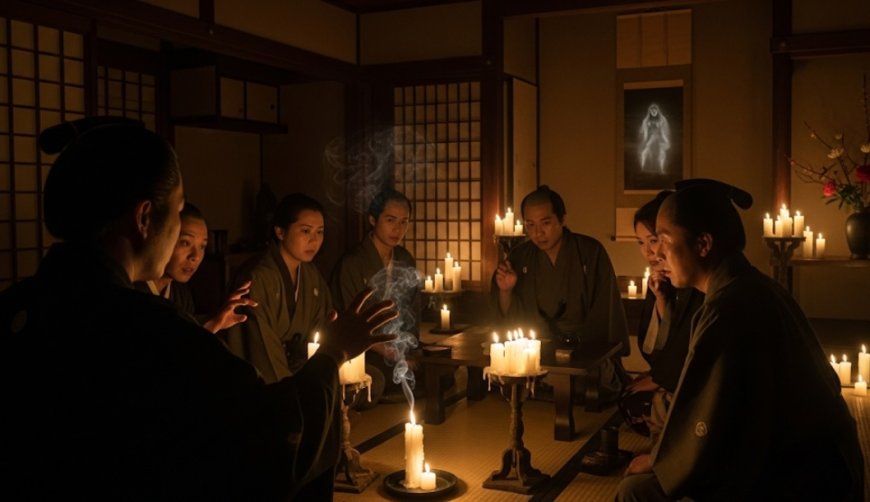
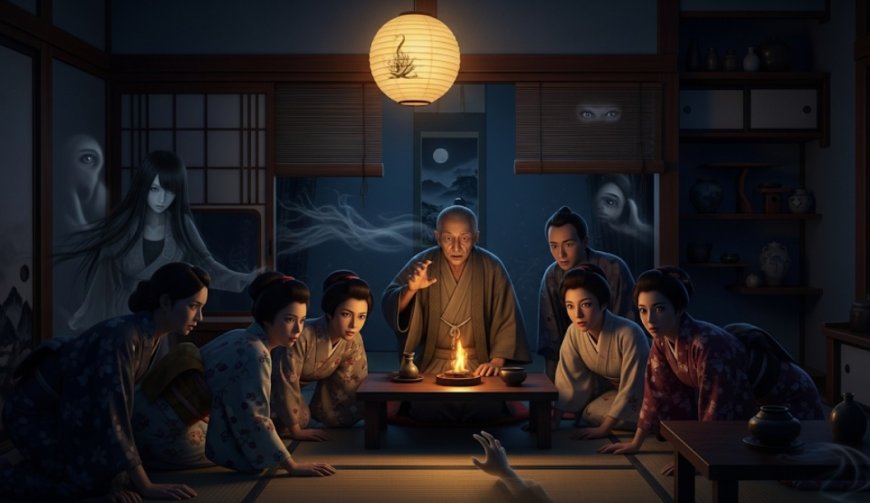
The fascination with ghost tales in Japan grew significantly during the Edo period (1603–1867). One popular practice was the Hyakumonogatari Kaidankai, or “Gathering of 100 Ghost Stories,” where participants told eerie tales by candlelight, extinguishing one candle after each story until total darkness descended—when it was said a real ghost might appear. At the same time, kabuki theaters performed ghost plays known as suzumi shibai (“cooling plays”), designed to send shivers down the spine and give audiences a mental break from the summer heat. These forms of entertainment laid the groundwork for Japan’s enduring love for seasonal ghost stories.
Cooling the Body with Fear: Chills in the Heat
Before the era of air‑conditioning, the Japanese found creative ways to cope with the oppressive summer heat. One such method was through fear. Hearing frightening tales or visiting creepy places could literally make people feel cooler, a sensation known as “kimo ga hieru”—meaning “chilling the liver.” This psychological cooling effect contributed to the popularity of summer ghost stories, turning horror traditions into an enjoyable way to beat the heat while connecting with centuries‑old cultural practices.
Kimodameshi: The Test of Courage
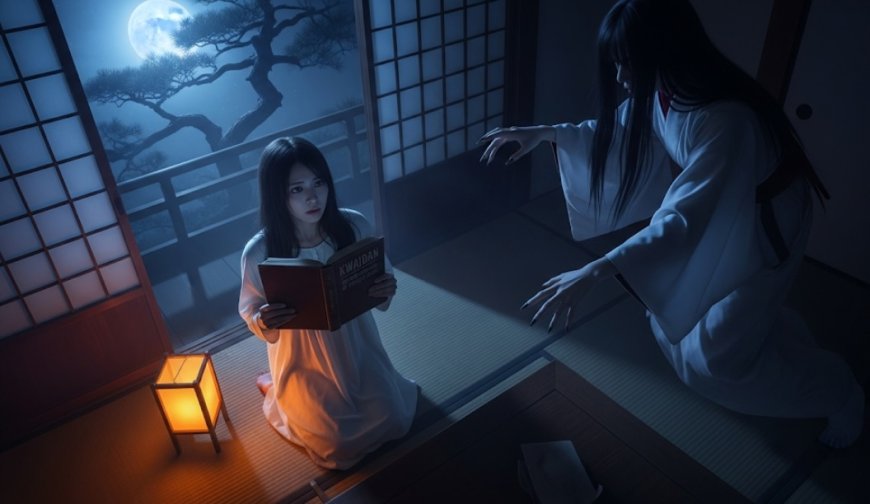
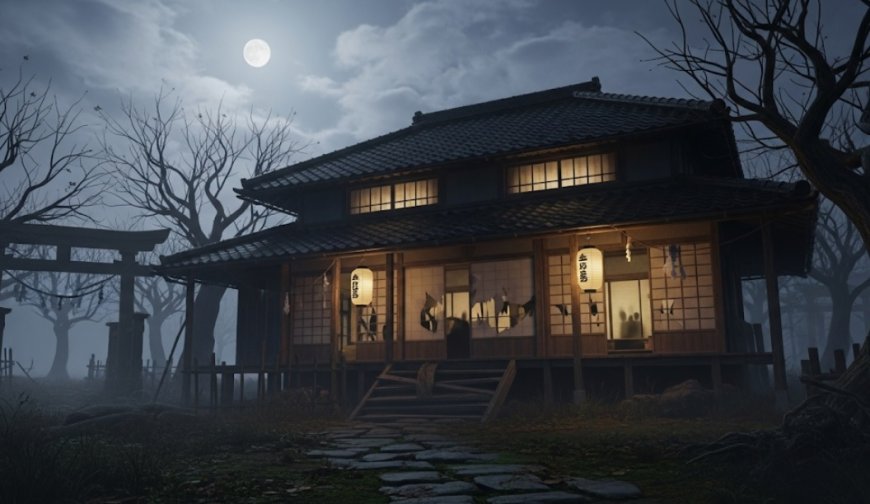
No Japanese summer would be complete without kimodameshi, or “testing one’s courage.” This tradition involves visiting a dark, eerie location—such as a forest, graveyard, or abandoned house—usually in groups, to see who can last the longest without succumbing to fear. Originating in the Heian period and later adopted by samurai families, kimodameshi has become a favorite summer activity for students, families, and thrill‑seekers alike. It remains one of the most authentically Japanese summer ghost experiences, blending fun, fear, and camaraderie.
The “Three Great Ghost Stories” of Japan
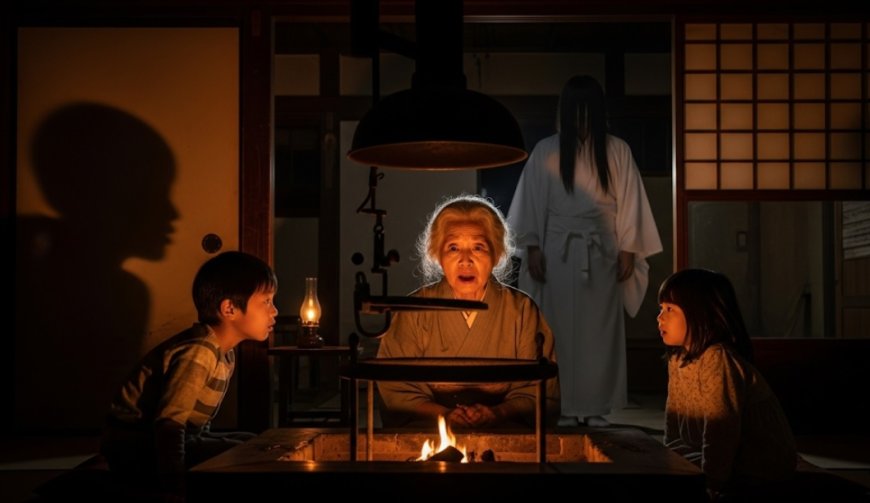
Japanese ghost culture would be incomplete without its iconic tales. Known as the “Three Great Kaidan,” these stories have been told for centuries and still inspire modern horror:
- Yotsuya Kaidan: The tragic story of Oiwa, a betrayed woman whose spirit seeks revenge, originally performed in kabuki theater and adapted into countless films.
- Banchō Sarayashiki: The chilling tale of Okiku, a servant wrongfully accused of breaking dishes, who haunts a well, counting plates in the night.
- Botan Dōrō: A bittersweet ghost romance where a man unknowingly falls in love with a spirit, leading to a fatal union.
These tales, once recited in dimly lit rooms, continue to thrive in books, films, and seasonal events, proving that Japanese ghost stories never lose their grip on the imagination.
Haunted Houses and Media: Modern Ghostly Thrills
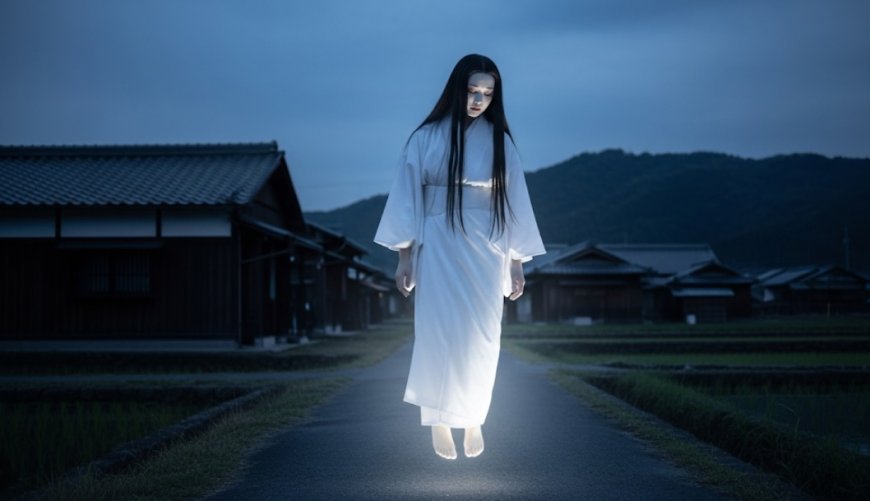
Modern Japan has embraced its ghostly summer traditions through entertainment. Obakeyashiki (haunted houses) are especially popular in theme parks like Fuji‑Q Highland and Tokyo Dome City, where chilling designs promise to “cool you down” with fear. Television networks also broadcast summer horror specials, featuring ghost stories, paranormal investigations, and interviews with spiritualists. Films such as The Ring and Ju‑On often make seasonal comebacks, ensuring that the culture of Japanese horror stays alive for both old and new generations.
Why Summer, Not Halloween?
While Western countries celebrate ghosts in autumn, Japan’s ghost season falls in summer for both cultural and practical reasons. The alignment with Obon, combined with Edo‑period entertainment traditions and the psychological need to cool down in extreme heat, makes summer the perfect time for ghostly gatherings. This seasonal distinction sets Japan apart, giving the country a unique approach to celebrating spirits.
Fear as a Cultural Bond
Japan’s summer of ghosts is more than just a seasonal pastime—it is a blend of spirituality, folklore, and entertainment that unites communities across generations. From candlelit storytelling circles to modern haunted attractions, these traditions offer not only chills but also meaningful cultural connections. In the heat of summer, when spirits walk and ghost stories echo, Japan transforms fear into a refreshing, shared experience.
Nipino.com is committed to providing you with accurate and genuine content. Let us know your opinion by clicking HERE.