




















































Ohaka Mairi (お墓参り) in Japan: A Deeply Rooted Tradition of Honor and Remembrance
Ohaka Mairi (お墓参り) is a Japanese tradition of visiting and cleaning family graves, offering prayers, and showing respect to ancestors. This practice, rooted in Buddhist and Shinto beliefs, reflects Japan’s strong cultural value of honoring family heritage and maintaining spiritual bonds across generations.
Understanding Ohaka Mairi
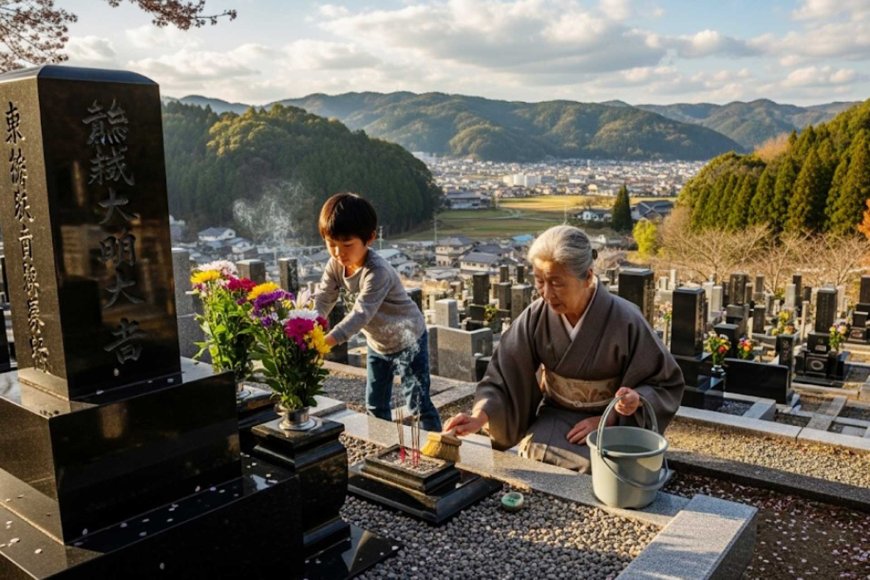
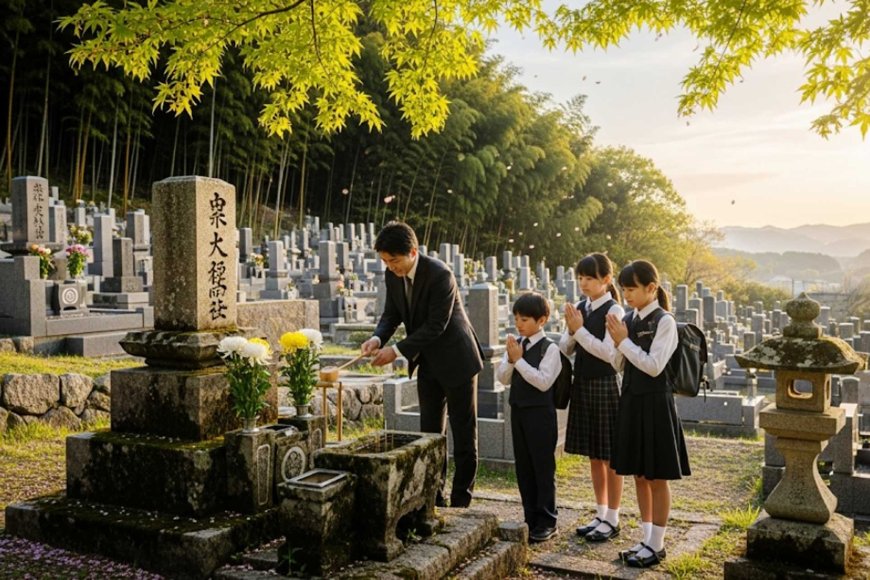
Ohaka Mairi, literally meaning “grave visit” in Japanese, is a centuries-old tradition that plays a central role in Japan’s cultural and spiritual life. It involves visiting family graves, cleaning the tombstones, offering flowers, food, and incense, and reciting prayers for the spirits of deceased relatives. This practice is not only about mourning but also about expressing gratitude, respect, and maintaining a living connection with one’s ancestors.
Although Ohaka Mairi can be performed at any time of the year, it is especially common during specific periods such as the Obon Festival in August, the equinox weeks (Higan) in spring and autumn, and during anniversaries of a loved one’s passing.
Historical and Cultural Roots
The origins of Ohaka Mairi are closely tied to Buddhism, which entered Japan from China and Korea in the 6th century, and to native Shinto beliefs about ancestor worship. In Buddhism, visiting graves is a way to accumulate merit for the deceased, helping their spirits find peace. Meanwhile, Shinto views ancestors as protective spirits who continue to influence the lives of their descendants.
Over time, these beliefs merged, creating a unique Japanese approach to honoring the dead that blends ritual care, seasonal observances, and family unity.
When Ohaka Mairi is Observed
Although there is no fixed national schedule for Ohaka Mairi, three key periods stand out:
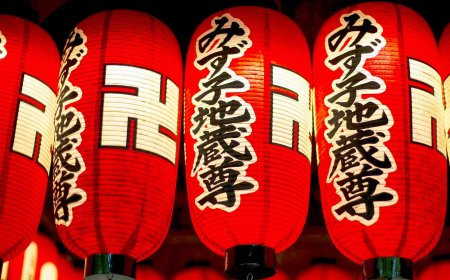
- Obon Festival (お盆) – Held in mid-August, this Buddhist tradition welcomes the spirits of ancestors back to the world of the living for a short stay. Families visit graves to guide spirits home with offerings and lanterns.
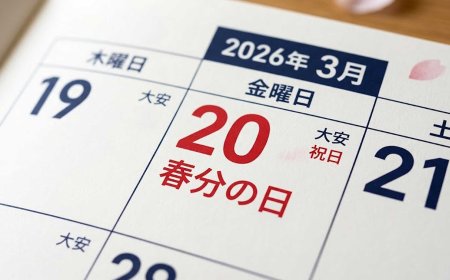
- Higan (彼岸) – Occurs twice a year during the spring and autumn equinoxes. It is a time to reflect on life and death while visiting family graves.
- Anniversaries of Death – Many families observe annual memorial days for deceased loved ones, visiting the grave and performing Ohaka Mairi rituals.
Rituals and Customs of Ohaka Mairi
The typical Ohaka Mairi visit involves several steps:
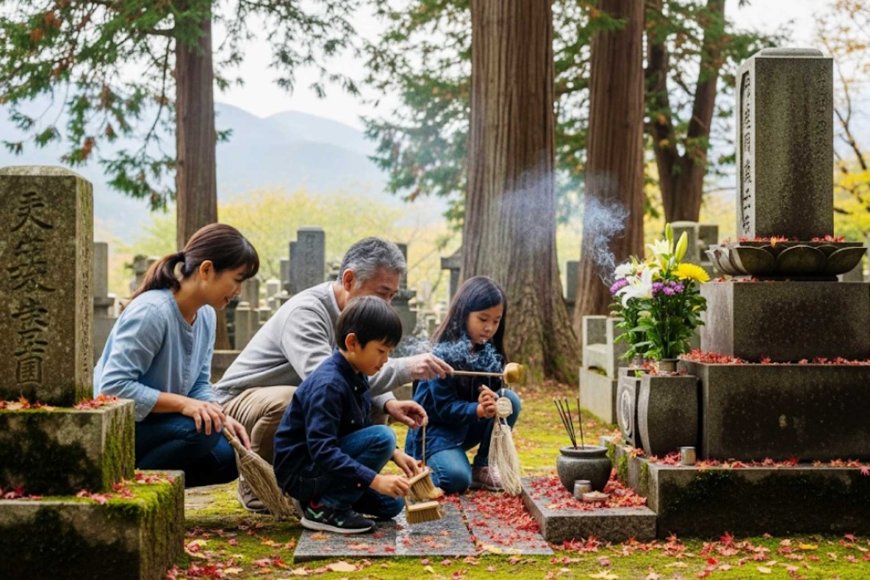
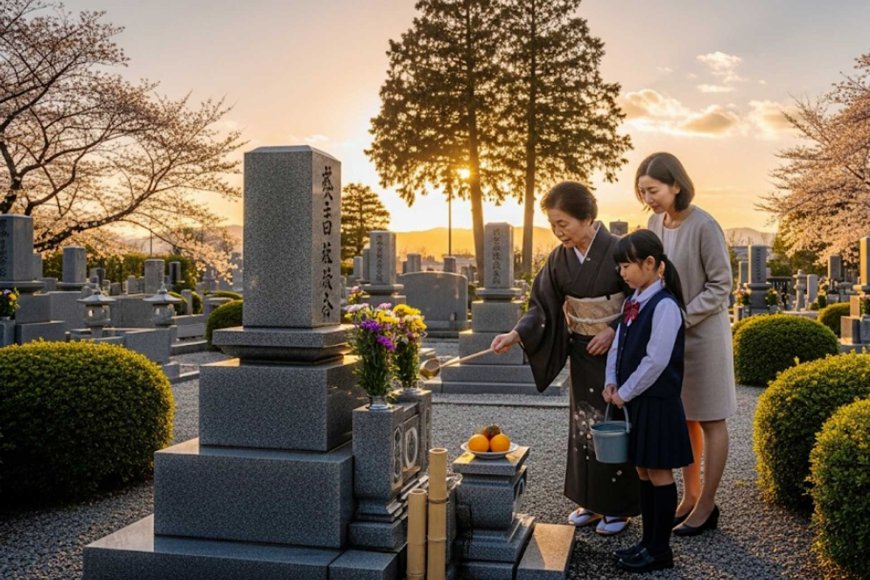
- Cleaning the Grave – Families bring buckets, brushes, and cloths to wash the tombstone, remove moss, and tidy the surroundings.
- Offering Flowers and Food – Seasonal flowers, rice, fruits, and sometimes favorite snacks of the deceased are placed at the grave.
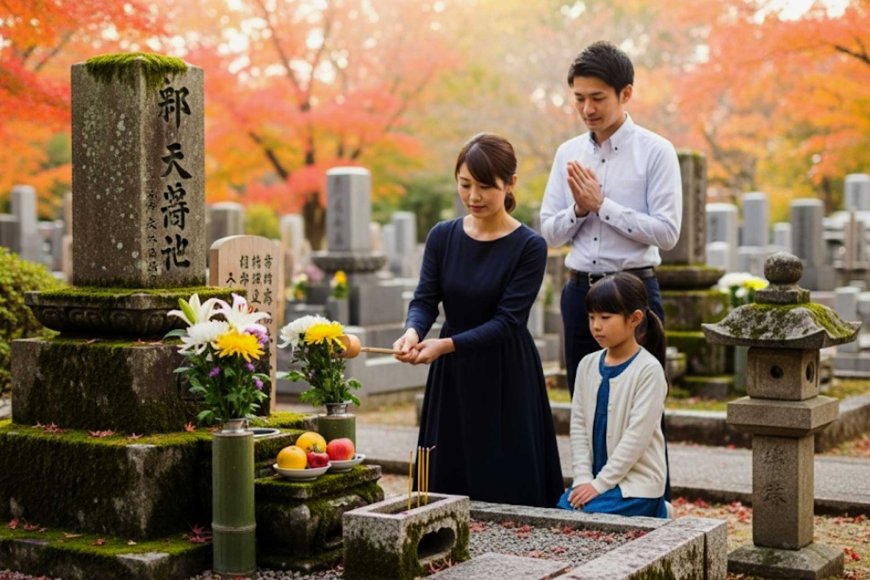
- Burning Incense (線香) – Lighting incense sticks is a symbolic act to purify the space and connect spiritually with the deceased.
- Prayers and Bowing – Family members pray silently or recite sutras, bowing deeply to show respect.
- Pouring Water Over the Tombstone – This act symbolizes purification and refreshment for the spirits.
These steps are carried out in a calm, respectful manner, reflecting the Japanese cultural emphasis on mindfulness and harmony.
Symbolism and Meaning
Ohaka Mairi is more than a religious duty—it’s an act of love and remembrance. For many Japanese, it reinforces the sense of belonging to a family lineage, keeping alive the stories and values of those who came before. The practice also strengthens family bonds, as it often involves multiple generations visiting together.
In modern Japan, where urban life can create physical and emotional distance from ancestral homes, Ohaka Mairi serves as an important reminder of one’s roots and identity.
Nipino.com is committed to providing you with accurate and genuine content. Let us know your opinion by clicking HERE.