
















































How AI Is Changing the Japan Immigration Process
Artificial intelligence is reshaping Japan’s immigration landscape by offering personalized visa guidance, reducing application errors, and improving success rates for students, workers, and long-term residents. Platforms like Kaishi Nihon demonstrate how technology can turn a confusing process into a clearer, more human-centered experience.

A Complex System Meets Smart Technology
Japan has long been admired for its rich culture, advanced technology, and stable society. Yet for many foreigners—especially Filipinos—the process of entering Japan through a student, work, or long-term visa can feel overwhelming. Immigration rules change, documentation requirements are strict, and even small mistakes can result in rejection.
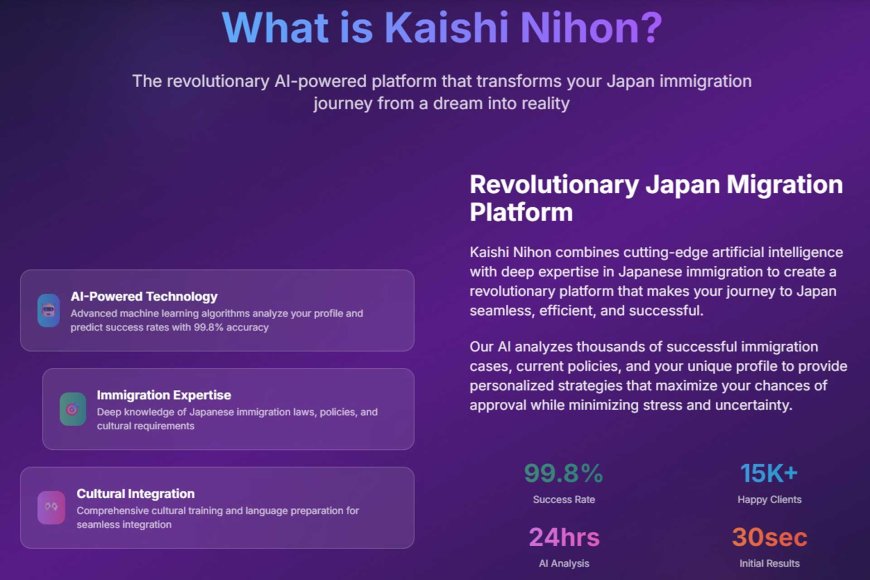
This is where artificial intelligence (AI) enters the picture. Instead of relying only on generic checklists or fragmented advice, AI-powered platforms analyze individual situations and provide personalized guidance. Services like Kaishi Nihon represent a new generation of immigration support—one that blends data, experience, and accessibility.
Understanding the Traditional Immigration Challenges
Before AI, most visa applicants depended on immigration agencies, word-of-mouth advice, or outdated online forums. These methods often had three major problems:
First, the guidance was too general. A student visa applicant and a skilled worker might receive similar advice despite having very different requirements.
Second, human error was common. Missing documents, incorrect timelines, or misunderstood eligibility rules could easily lead to denial.
Third, uncertainty caused stress. Applicants often had no clear idea of their chances before submitting their application.
AI does not remove all challenges, but it dramatically reduces these risks.

How AI Personalizes the Visa Application Journey
One of AI’s biggest strengths is personalization. Instead of treating applicants as numbers, AI systems evaluate individual profiles. Factors such as age, education, work experience, language ability, and long-term goals are considered together.
For example, an applicant who wants to study Japanese first and then work in Japan may receive a different roadmap compared to someone applying directly for a skilled labor visa. AI tools can suggest visa types, preparation steps, and realistic timelines based on the user’s profile.
This approach mirrors how a knowledgeable consultant would think—but with faster processing and constant updates.
Predicting Outcomes Before You Apply
Another powerful feature of AI-driven immigration platforms is outcome prediction. By analyzing historical data and current immigration trends, AI can estimate the likelihood of approval.
While no system can guarantee success, having a data-based prediction helps applicants make better decisions. If the probability is low, the system may recommend improving qualifications, gaining more work experience, or choosing a different visa path.
This predictive insight saves time, money, and emotional energy—especially for families planning long-term moves.

Reducing Errors and Improving Accuracy
Japan’s immigration system values precision. Even minor inconsistencies can cause delays or rejection. AI helps by acting as a constant reviewer, checking requirements step by step.
Document lists are customized. Deadlines are clearly highlighted. Warnings appear when something is missing or unclear. This reduces reliance on guesswork and minimizes costly mistakes.
For first-time applicants, this level of support can mean the difference between success and disappointment.

Empowering Filipinos and First-Time Applicants
For many Filipinos dreaming of life in Japan, language barriers and unfamiliar bureaucracy are major obstacles. AI platforms lower these barriers by offering clear explanations and structured guidance.
Instead of feeling intimidated, users feel informed and prepared. This empowerment is especially important for students, caregivers, technical interns, and skilled workers who may not have access to expensive consultants.
AI does not replace human effort—but it strengthens it.

The Human Side of AI in Immigration
Despite its technical nature, AI in immigration is ultimately about people. The goal is not automation for its own sake, but clarity, fairness, and accessibility.
Platforms like Kaishi Nihon show how technology can respect individual stories while navigating rigid systems. By combining AI analysis with user-friendly design, immigration becomes less frightening and more transparent.

The Future of Immigration in Japan
As Japan continues to welcome international talent and students, digital tools will become increasingly important. AI will likely integrate more deeply with language learning, career planning, and long-term residency pathways.
For those planning to move to Japan, understanding and using these tools early can provide a strong advantage. Immigration is no longer just about paperwork—it is about strategy, preparation, and informed choices.
Smarter Paths to a New Life in Japan
Artificial intelligence is not changing Japan’s immigration laws, but it is transforming how people experience the process. With personalized guidance, predictive insights, and error reduction, AI helps applicants move forward with confidence.
For Filipinos and global citizens alike, platforms such as Kaishi Nihon represent a smarter, more humane approach to building a future in Japan—one informed decision at a time.
Nipino.com is committed to providing you with accurate and genuine content. Let us know your opinion by clicking HERE.



-
 Sahan AbeysingheThis is a very insightful and well-written article. I especially like how it explains AI not just as technology, but as real support for people who feel confused and stressed about the Japan visa process. As someone who works closely with international students and foreign workers in Japan, I strongly agree that personalized guidance, error reduction, and outcome prediction can make a huge difference — especially for first-time applicants and people facing language barriers. Platforms like Kaishi Nihon show how AI can make immigration more transparent, fair, and human-centered. A very timely and meaningful post for anyone planning a future in Japan.