




































































“Sumehara” (スメハラ): The Unspoken Rules of Scent in the Workplace and Society in Japan
“Sumehara” or smell harassment is a growing social issue in Japan that reflects the country’s deep cultural sensitivity to personal space and social harmony.
What is "Sumehara"?
Decoding Smell Harassment in Japanese Culture
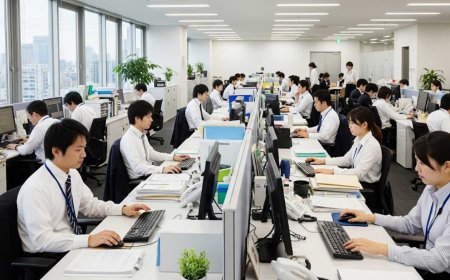
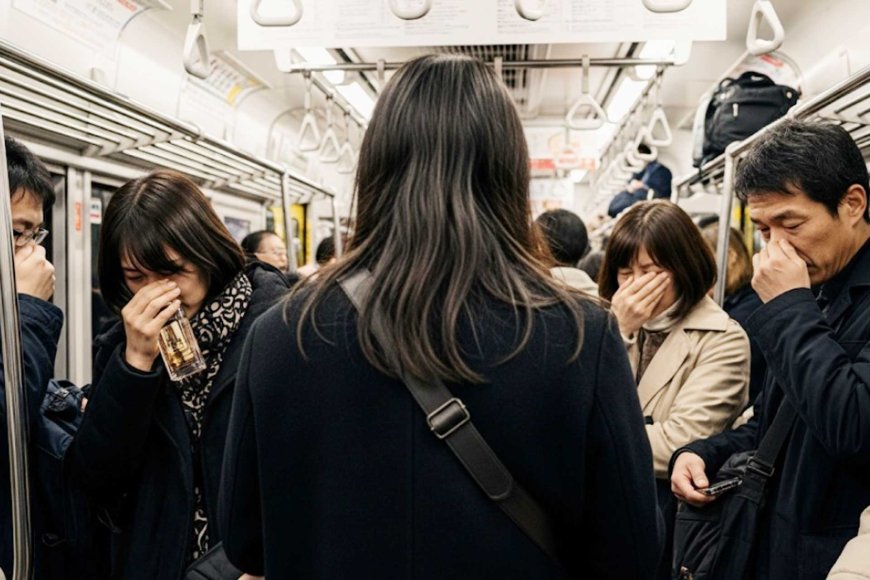
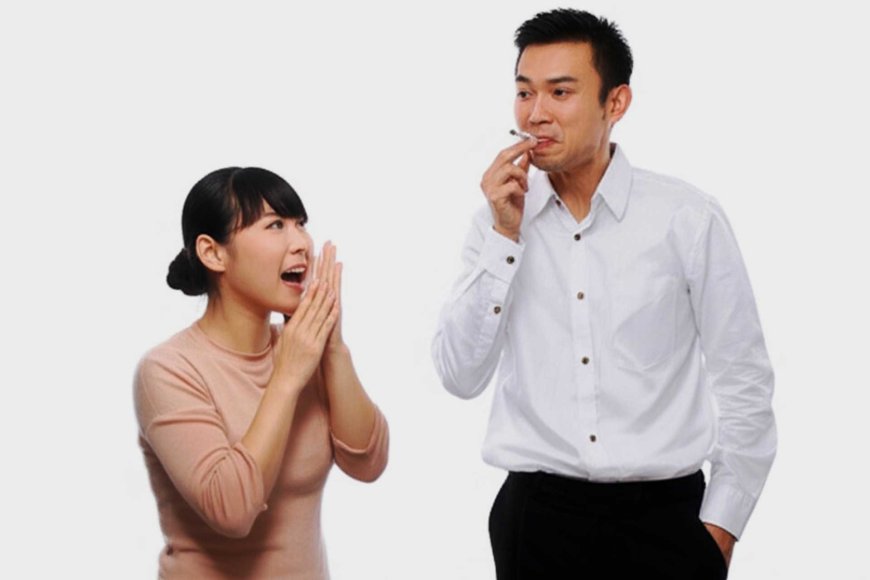
The term “スメハラ” (Sumehara) is a Japanese portmanteau derived from “smell” and “harassment.” It refers to situations where a person’s body odor, perfume, or any strong scent is considered offensive or uncomfortable to others, particularly in shared spaces such as offices, trains, or classrooms. Unlike Western cultures where individual expression is often valued, Japanese society places a high premium on not disturbing the group.
Sumehara can stem from natural body odor, poor hygiene, strong colognes, or even residual smells like tobacco smoke or heavy fabric softeners. It is a nuanced topic that sits at the intersection of personal responsibility, workplace etiquette, and social awareness.
Why Sumehara Has Become a Hot Topic
The Cultural Context Behind Japan’s Sensitivity to Smell
In Japan, the concept of “meiwaku” (迷惑), meaning “to cause trouble or inconvenience to others,” is central to daily interactions. Sumehara is seen as a form of meiwaku because unpleasant odors disrupt the perceived harmony and cleanliness of shared environments.
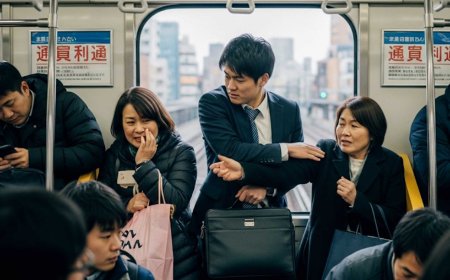
Japanese trains are a prime example. Packed during rush hour, they become spaces where close proximity to others magnifies every scent. As a result, public awareness of personal hygiene has increased, and so has criticism of those who fail to manage it.
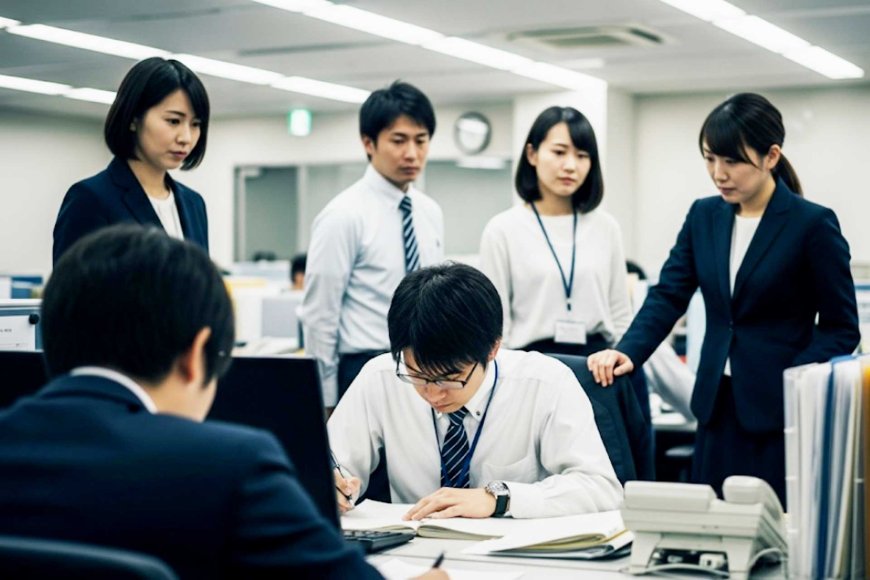
The term “sumehara” has gained traction alongside other types of workplace harassment like power harassment (pawahara) and sexual harassment (sekuhara), suggesting a growing concern over how sensory discomfort can affect mental well-being.
Common Causes of Sumehara Complaints
From Natural Odors to Artificial Fragrances
There are multiple triggers for sumehara, and it’s not always about poor hygiene. Here are common culprits:
- Body odor due to stress or diet
- Unwashed clothes or hair
- Overuse of perfume or deodorant
- Residual cigarette smoke or alcohol
- Strong-smelling food lingering on clothes
Interestingly, even foreigners living in Japan may be perceived as unintentionally committing sumehara due to differences in hygiene routines or use of strongly scented products unfamiliar to Japanese noses.

Impact on Mental Health and Social Interactions
When Personal Scent Becomes a Source of Anxiety
For some, sumehara is not just about physical odor—it becomes a source of emotional stress. Fear of being judged for smelling bad can lead to excessive self-monitoring, social anxiety, or even isolation. Some individuals develop a condition known as olfactory reference syndrome (ORS), where they believe they emit a foul odor even if they don’t.
In Japan, where societal pressure to conform is high, even something as invisible as smell can have a profound impact on a person’s confidence and mental well-being.
Tips to Avoid Being a Sumehara Offender
Practical Hygiene Habits for Daily Life in Japan
To avoid unintentionally committing smell harassment, here are some useful hygiene habits, especially for foreigners living or working in Japan:
- Shower Daily – Japan’s humid summers amplify body odor.
- Use Unscented or Mildly Scented Products – Strong perfumes are often frowned upon.
- Wash Clothes Frequently – Don’t wear the same outfit multiple days in a row.
- Avoid Smoking in Work Clothes – The smell lingers and can be very noticeable.
- Be Mindful of Food Smells – Garlic and spices can cling to fabrics.
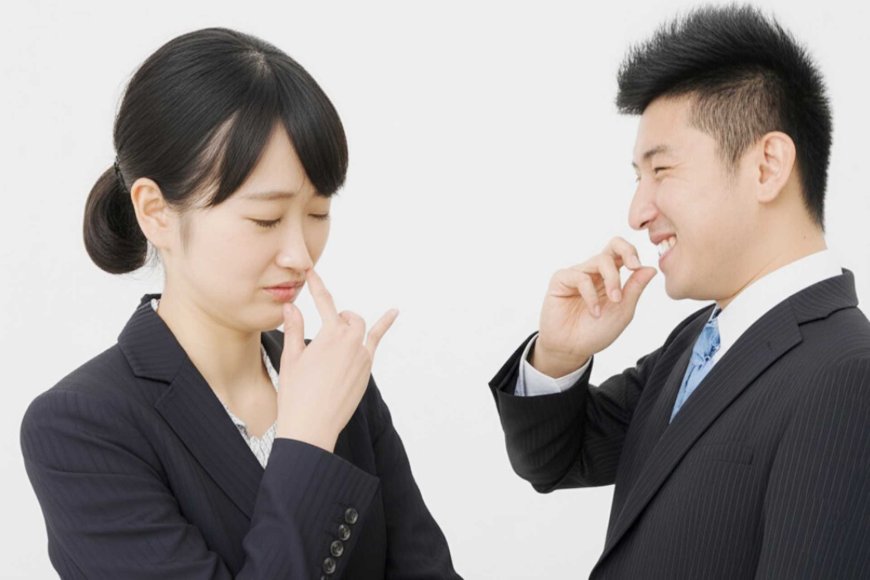
- Check for Feedback – If someone subtly offers you gum or suggests freshening up, take it as a kind reminder.
Being considerate of how one’s scent might affect others is seen as good manners in Japan.

Creating a Balanced and Respectful Environment
While the term “sumehara” might seem overly cautious to outsiders, it underscores an important aspect of Japanese culture: respect for others’ comfort and boundaries. Understanding this concept allows both locals and foreigners to coexist more harmoniously in shared spaces.
Ultimately, scent is personal—but in Japan, it’s also social. By being mindful of this cultural sensitivity, one can show respect not just through words or actions, but even through the air around them.
Nipino.com is committed to providing you with accurate and genuine content. Let us know your opinion by clicking HERE.