









































This site uses cookies. By continuing to browse the site you are agreeing to our use of cookies.


Watching anime can help beginners learn Japanese naturally through immersion, vo...

In Japan, food packaging often displays two different expiration terms: 賞味期限...

In Japanese, both "未来 (mirai)" and "将来 (shourai)" refer to the future, but t...

While both chotto (ちょっと) and sukoshi (少し) translate to “a little” or “a bi...
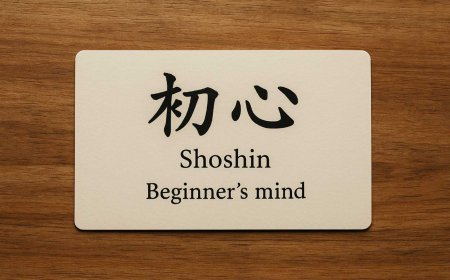
Rediscovering the joy of learning, the power of humility, and the beauty of curi...
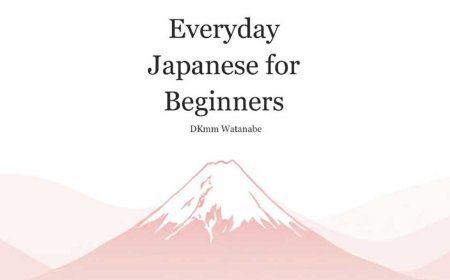
“Everyday Japanese for Beginners” is a practical wordbook designed for travelers...
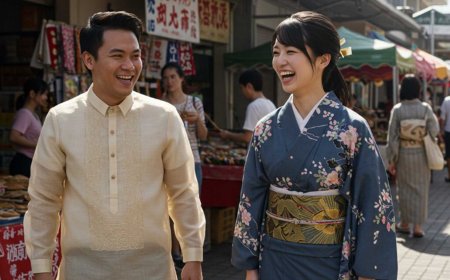
Tagalog and Nihongo, despite their linguistic differences, share surprising simi...

Learn essential Japanese introduction phrases for workplaces and family meetings...

In Japanese, the words "Zenbu" (全部) and "Subete" (全て) both translate to "all...

Words have the power to heal or hurt, and in Japanese culture, the concept of 'C...

Words have the power to heal, uplift, and connect. By embracing Fuwa Fuwa Kotoba...

The Japanese word banzai carries a deep-rooted history, transitioning from a wis...

In Japanese, expressing hope or a wish involves using polite and indirect phrase...

In Japan, the term "放題" (hōdai) signifies more than just "all-you-can." It enc...

Ever wondered why a simple phrase like "desu ne" (ですね) holds so much weight i...

The distinction between blue and green blurs in unexpected ways, revealing profo...